
The future is novel, and we need new toolsets like Predictive population modeling and Population simulation software to improve planning and better equip our social support systems. Governments, not-for-profits and planners face growing pressure to design equitable, people-centred communities, yet they often rely on outdated or incomplete data about how real people live, move, and interact, and what they need.
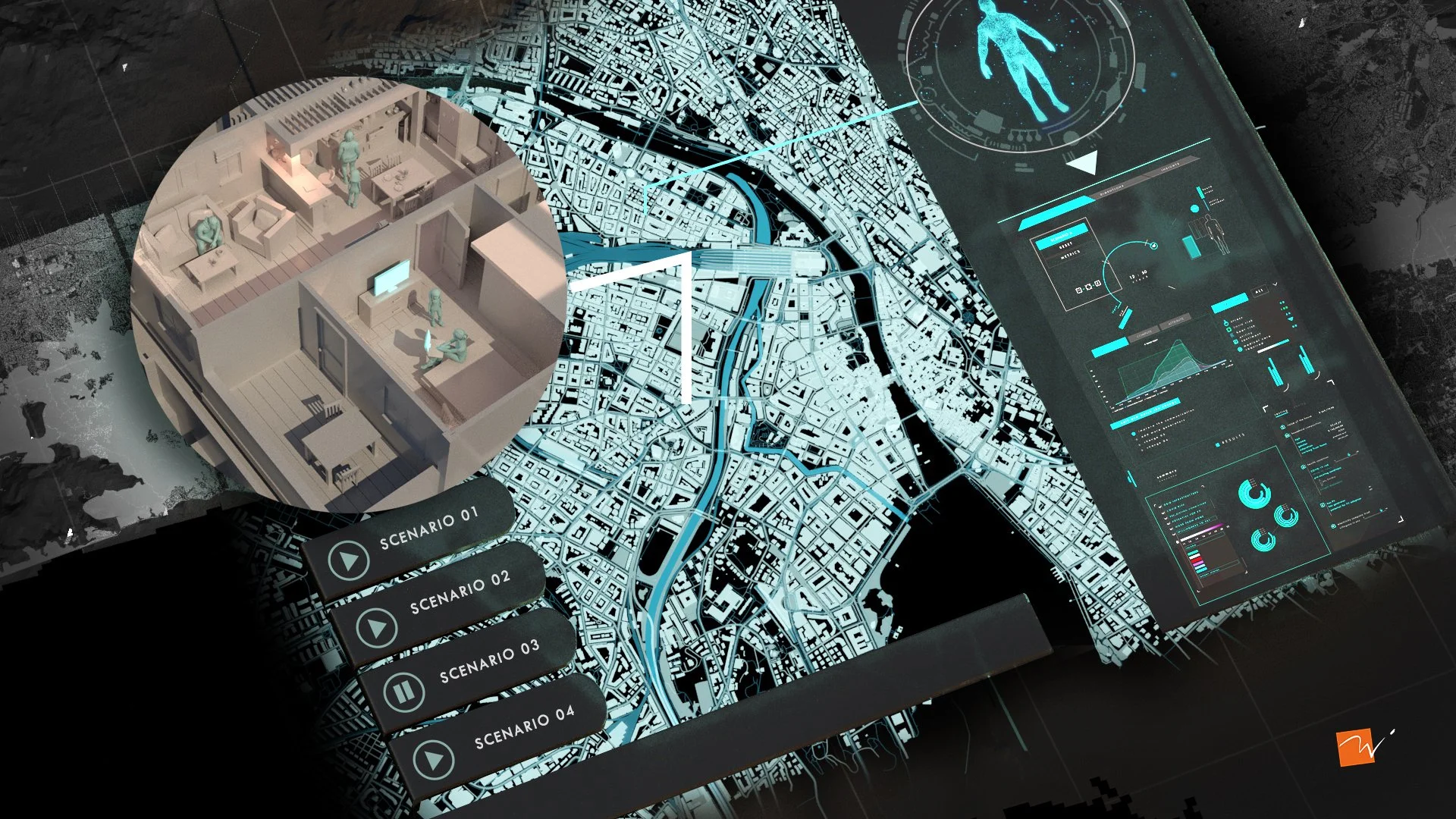
RWI brings human behavior and social equity into the planning process through Demographic modeling and advanced Demographic modeling software.
Data-supported decisions improve the social support policies, infrastructure, and systems in our communities, eliminating the need for costly, time-consuming pilot programs.
Predictive population modeling and Population simulation software help advance Synthetic Twins secure better accuracy in community adoption and improvement in social program reach, and reduce the risk of inequitable outcomes while strengthening public trust By generating never-identified synthetic people, invisible populations are never left behind.
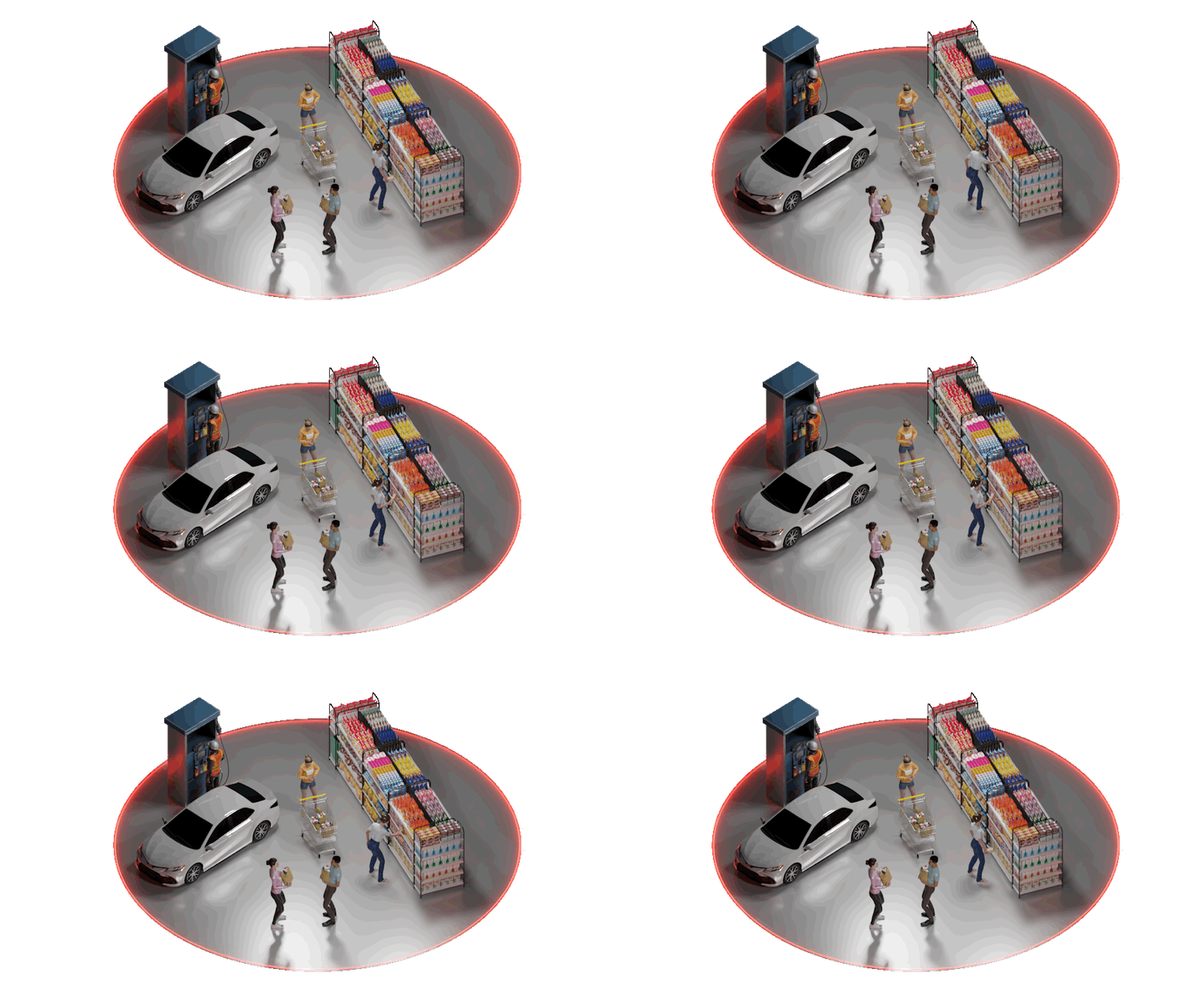
Our communities deserve social supports that are built-to-purpose, bias-free, and cost-effective.
RWI’s Synthetic Twin platform, powered by best-in-class Demographic modeling software, is the toolset to best equip our social support systems now and for any number of imaginable futures.
What We’ve Done

Youth sense of belonging is challenging to quantify, but it’s also a key indicator of a community’s connectedness and social health. Improved belonging can facilitate everything from classroom attendance in the present to increasing economic growth in the future. Planning and social services can utilize Predictive population modeling, Population simulation software, and Demographic modeling to test, forecast, and sandbox the various measures that can improve youth’s sense of belonging.
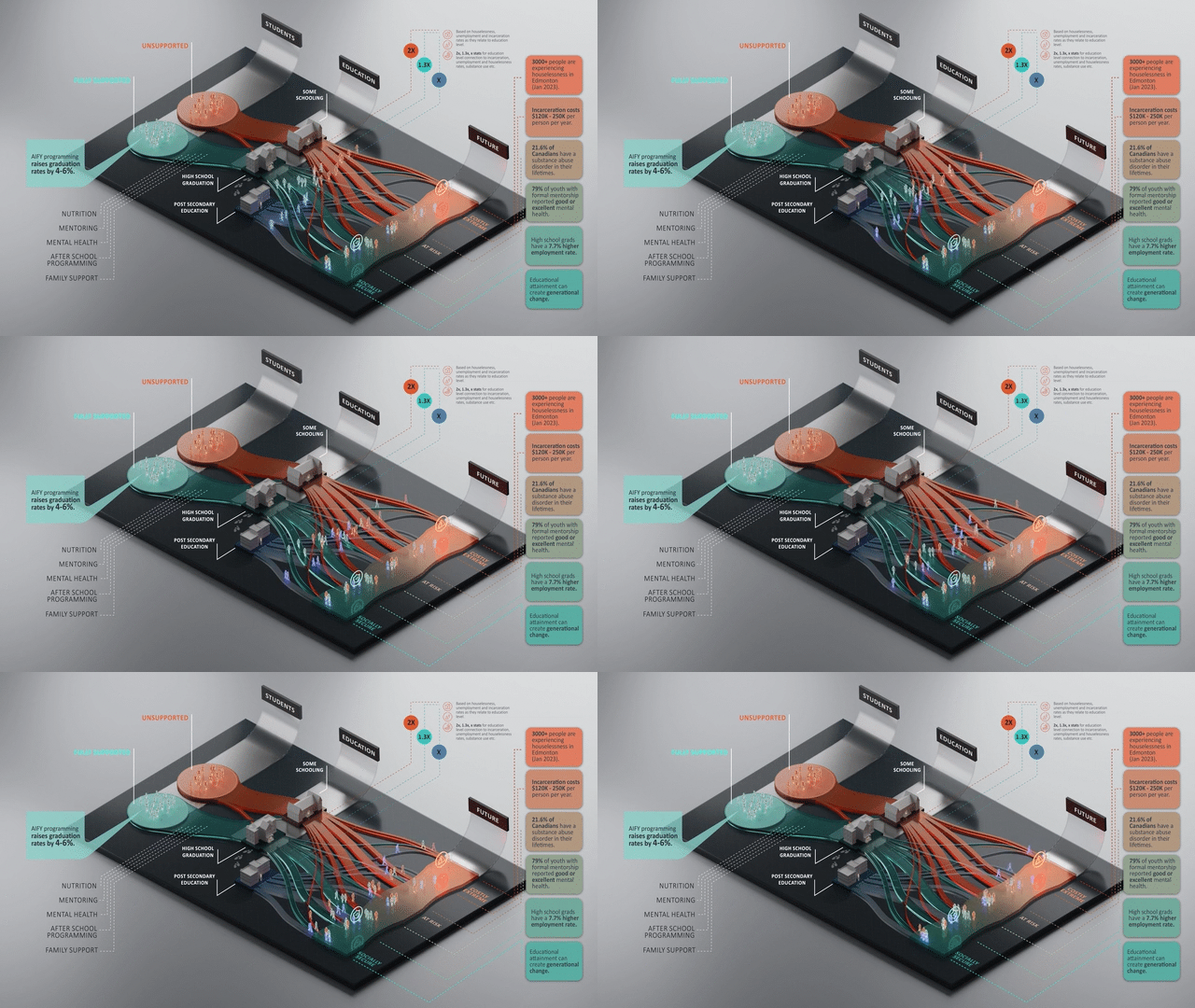
There is a time-sensitive opportunity for communities to make a difference by increasing graduation rates and intervening with at-risk youth through social infrastructure and programmed supports. Many organizations rely on anecdotal stories and experiences to demonstrate the value of their services and compel growth and additional support. Our award-winning work with the United Way Alberta Capital Region used Demographic modeling software and Predictive population modeling to quantify the future impacts and “return on investment” from the All in for Youth student and family support programming.
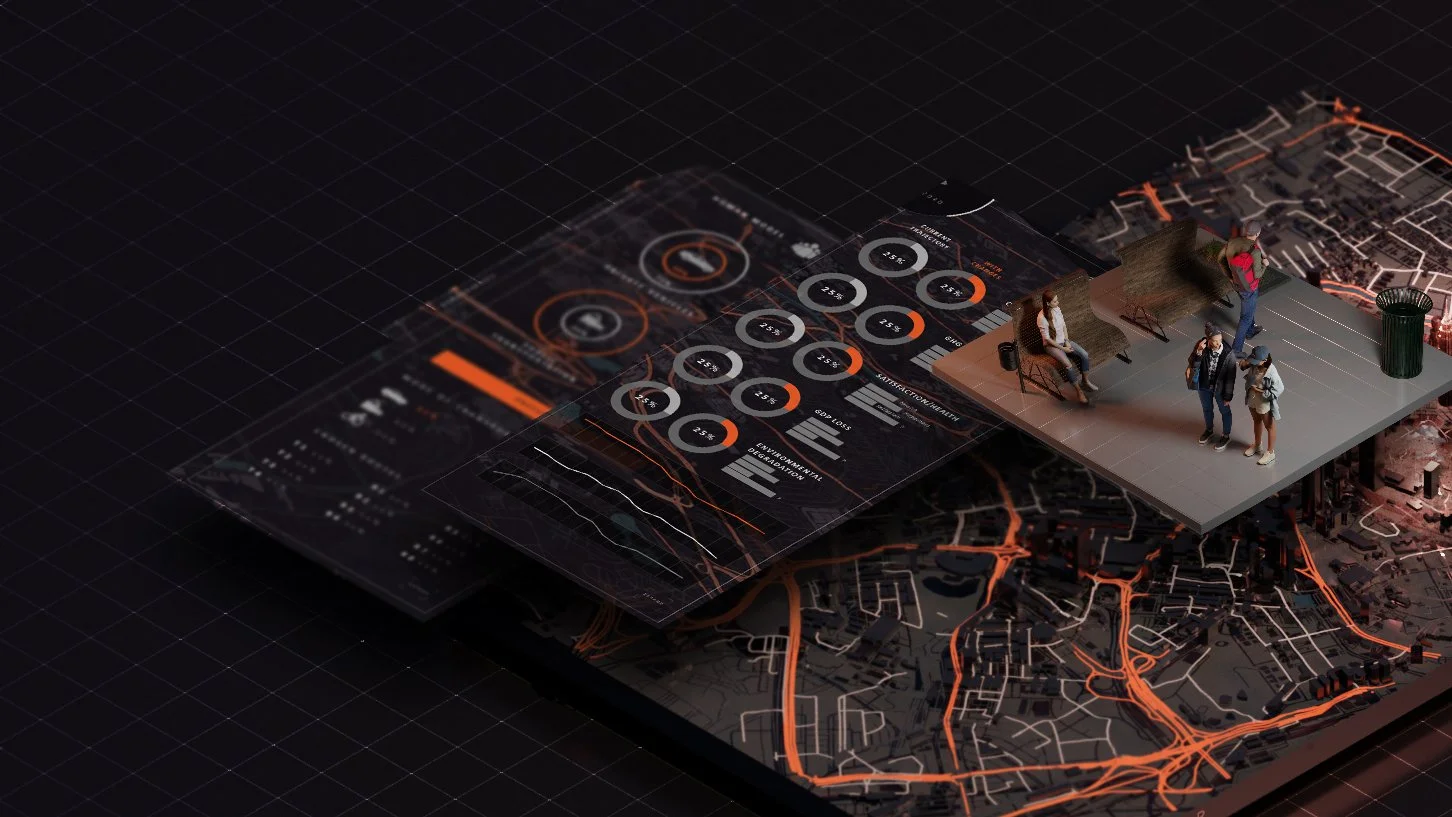
There are no well-understood tools or benchmarks for planning and deploying sustainable and resilient social infrastructure. Communities are now beginning to recognize the importance of data-backed insights, including Population simulation software and Demographic modeling, in informing long-term social service strategies. This includes a comprehensive understanding of present and future demographics, needs, barriers, and methods of removing these barriers, alongside knowledge-based benchmarks and KPIs. RWI Synthetics developed these benchmarks through an international survey of best practices and ran five inflectable sandbox scenarios into the future for a client community using Demographic modeling software.

With housing issues at crisis levels concurrent with booming population and immigrant numbers, communities are under incredible pressure to develop quickly. By leveraging Population simulation software and Predictive population modeling intelligence, we measured, forecasted, and sandboxed the associated costs for a massive municipal development proposal, creating a high-fidelity estimate of the total annual cost for infrastructure and services at full build-out.
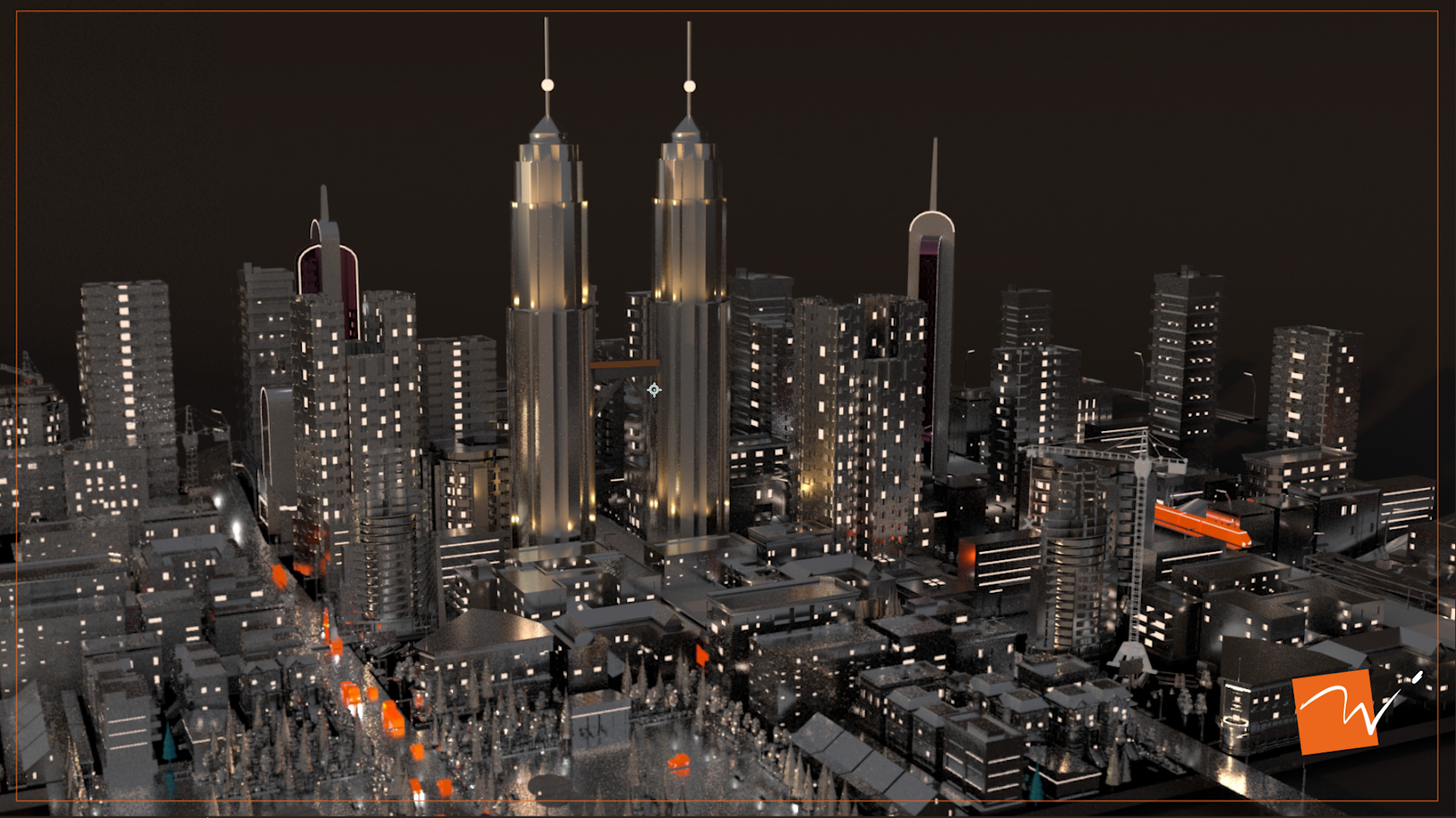
Kuala Lumpur is facing complex challenges related to pollution and greenhouse gases, which are being exacerbated by a rapidly growing population, parking scarcity, congested roadways, and the prevalence of private vehicles. As a finalist for the Toyota Mobility Foundation’s “City Architecture for Tomorrow Challenge,” RWI’s Synthetic Kuala Lumpur brought together Demographic modeling, Demographic modeling software, and Population simulation software with the people of KL, their lives, and livelihoods, to map how policies and infrastructure can enhance inclusivity and accessibility for the city through 2040.