RWI’s Synthetic Intelligence
What Is Synthetic Modelling?
Synthetic Modelling is RUNWITHIT's state-of-the-art proprietary modelling technique where open, publicly available data is incorporated to create models that generate Synthetic Data.

Synthetic Modelling is RUNWITHIT's state-of-the-art proprietary modelling technique where open, publicly available data is incorporated to create models that generate Synthetic Data.
Imagine that each source of data, a survey, a census, or a research article, is like a slice of Swiss cheese: it’s got plenty of holes. Each of those holes represents an issue with the data, whether it is outdated, incomplete, or insecure.
But the data we use to make our Synthetic Twins isn’t limited to a single slice. If you arrange multiple and different data sources together, each hole has a massively increased chance of being covered by another slice. We also use data sources that are often overlooked, such as local knowledge and oral histories.
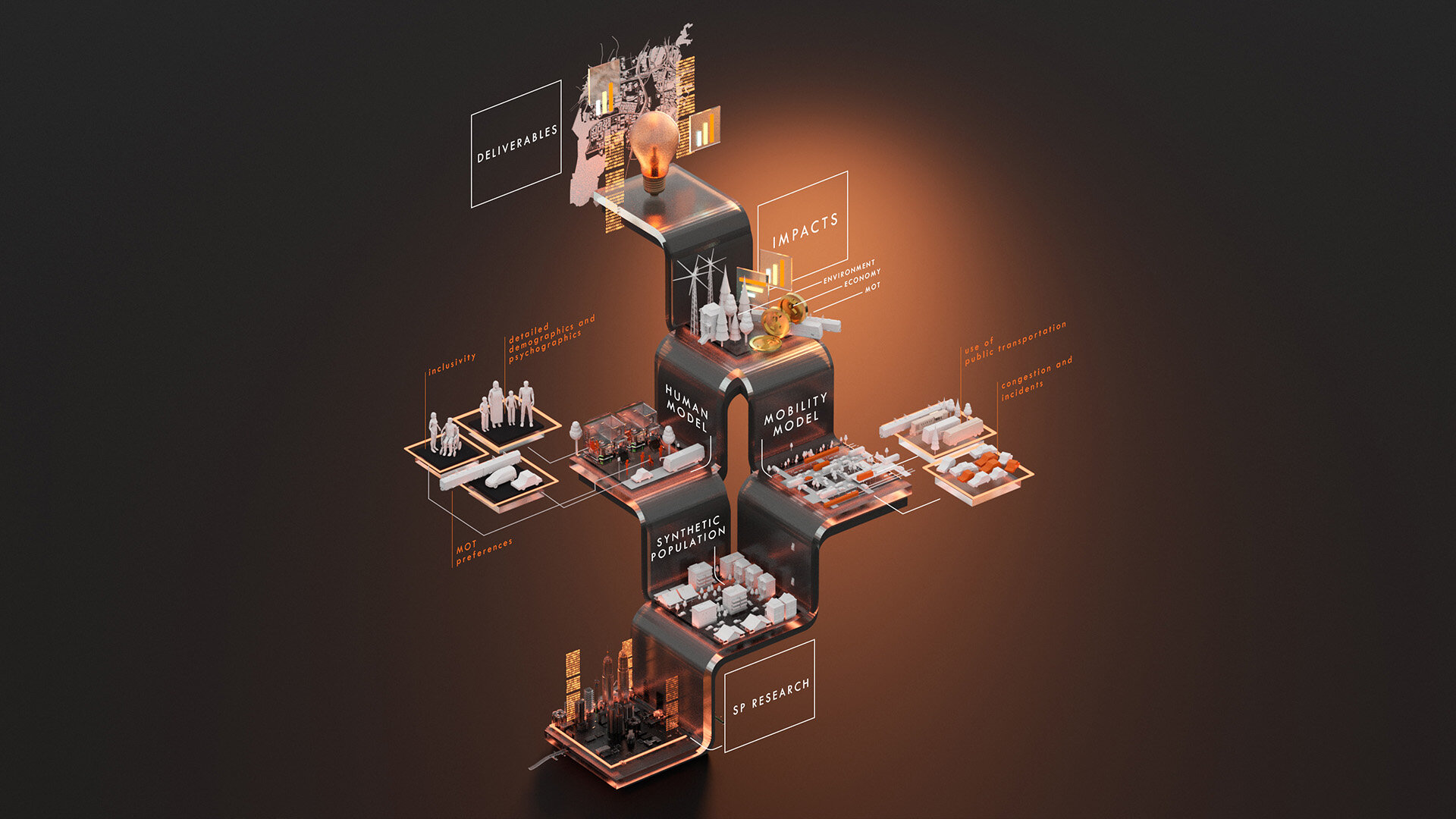
We combine all of this research, these different data sources, and interactive maps to create these virtual replicas we call Synthetic Twins. From there, we utilize our own proprietary technology system to navigate the present and explore potential futures. In addition, we don’t rely on other AI platforms like ChatGPT: ours is wholly original and uses a fraction of the water and energy of different AI tools.
All of our technology, capabilities, and results are not beholden to expensive and convoluted licensing agreements.
By being a data-powered but not data-dependent tool, these environments enable our clients to plan, design, and optimize systems and events.
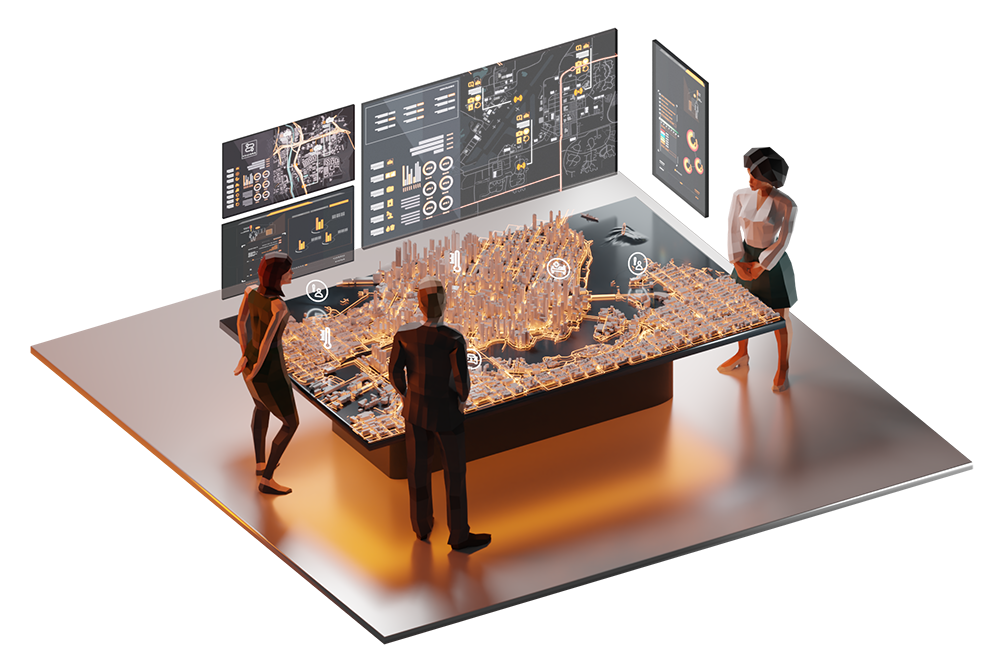
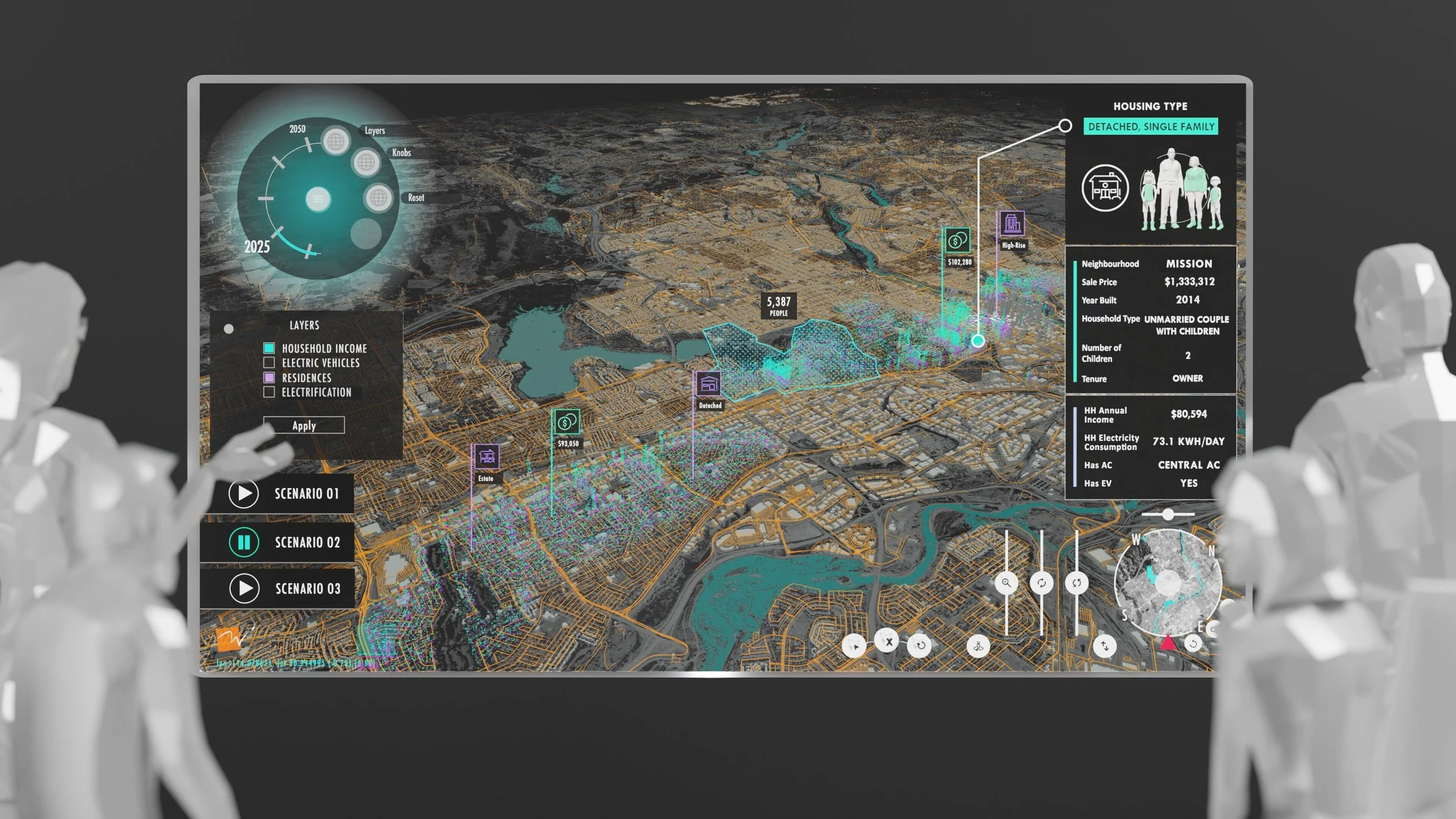
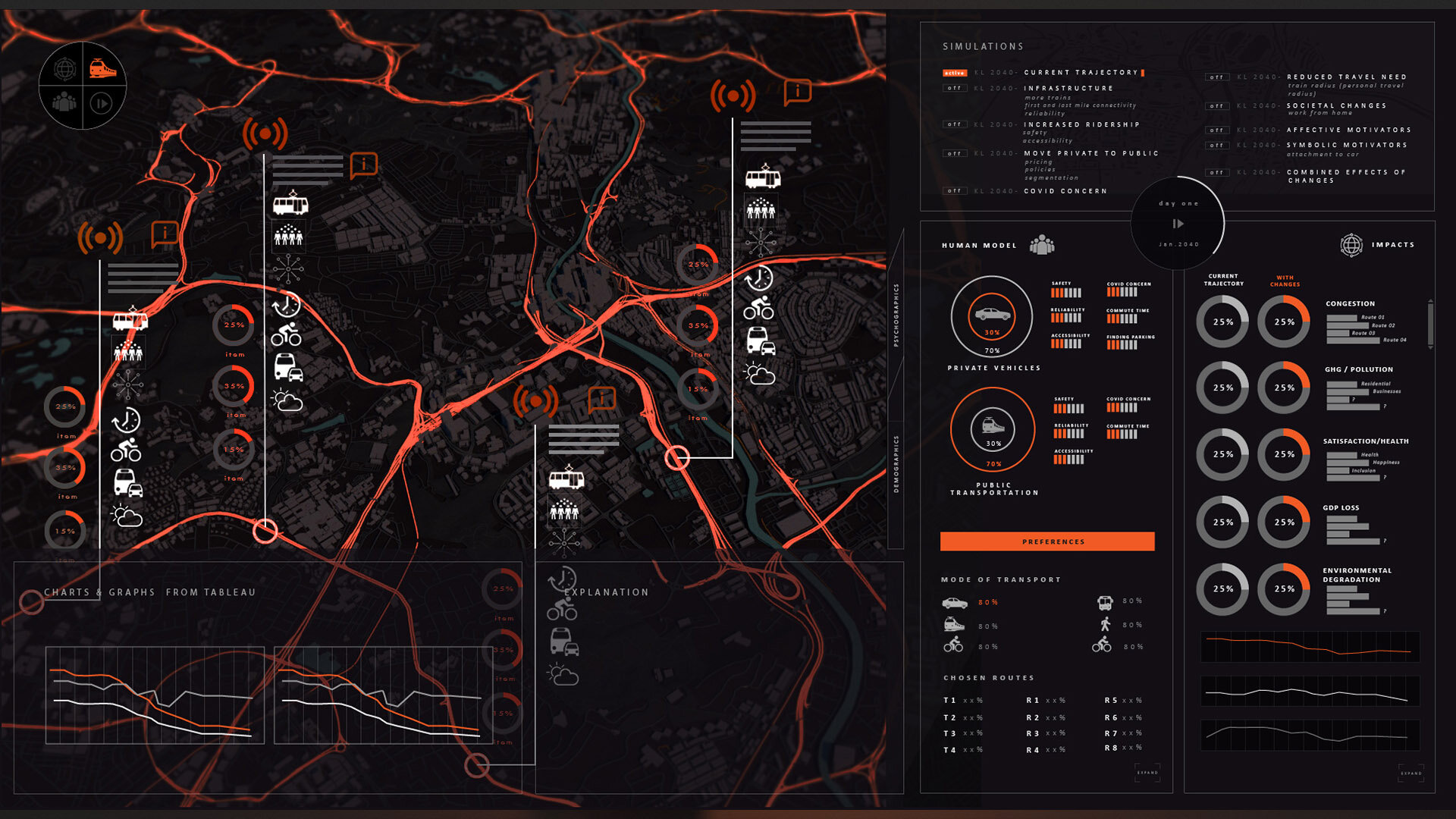
RWI's environments enable clients to visualize how factors such as climate events, transportation planning, land use, remote health delivery, grid failure, or any policy decision will affect the population as a whole or specific segments, highlighting marginalized groups to ensure equity in decision-making.
Synthetic Modelling acts as a living lab, where you can ask your challenging “what if” questions and generate future data. It explores practical approaches to accelerate new technologies and policies, enabling you to identify a range of future opportunities, potential hidden risks, and strategies to mitigate disruption. This strategic insight allows you to move forward with confidence, certainty and quantifiable answers.
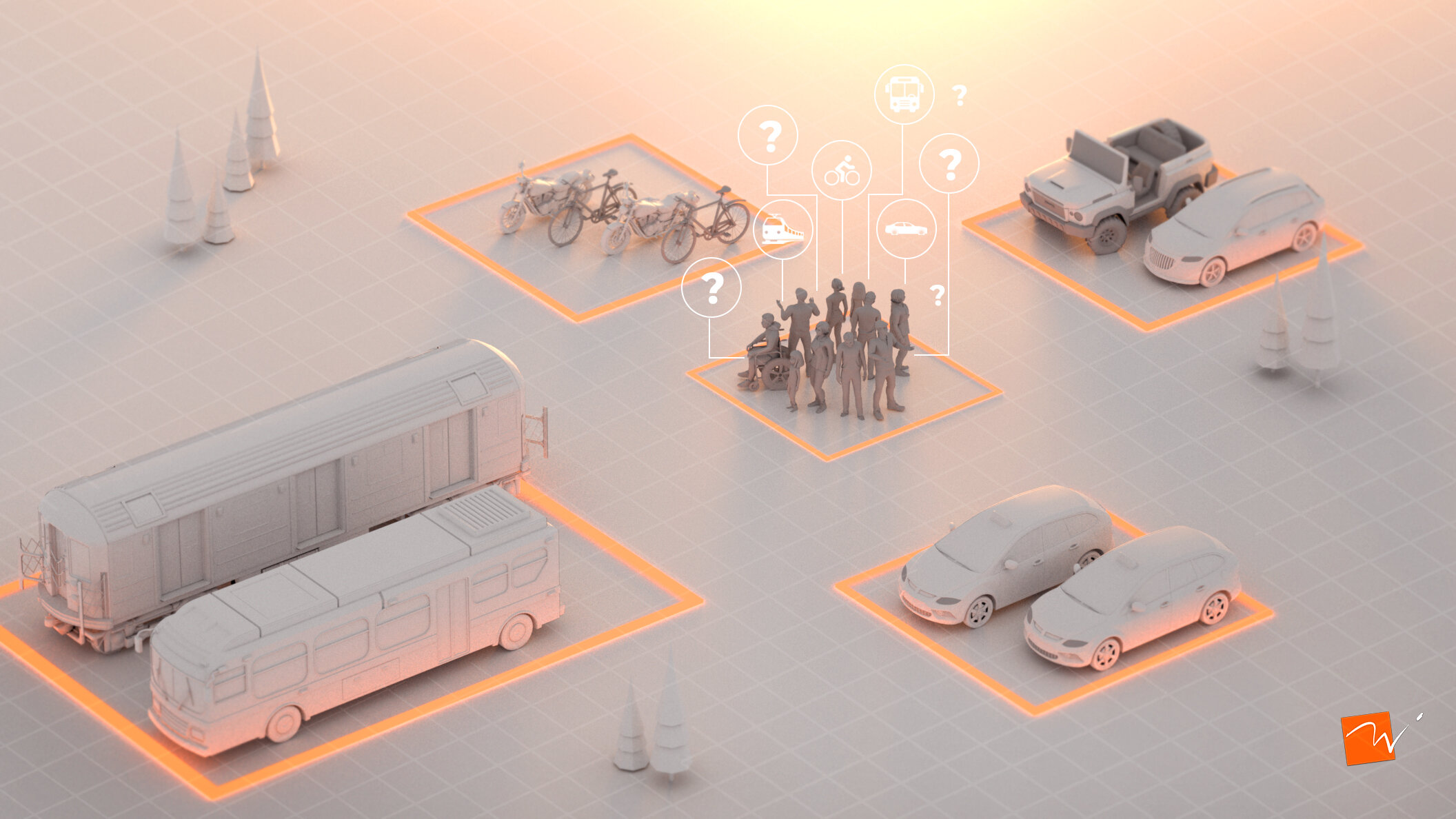
People are unique, unpredictable, and challenging to capture with traditional modelling techniques. Human activity is also one of the most significant factors to consider when assessing future challenges and risks.
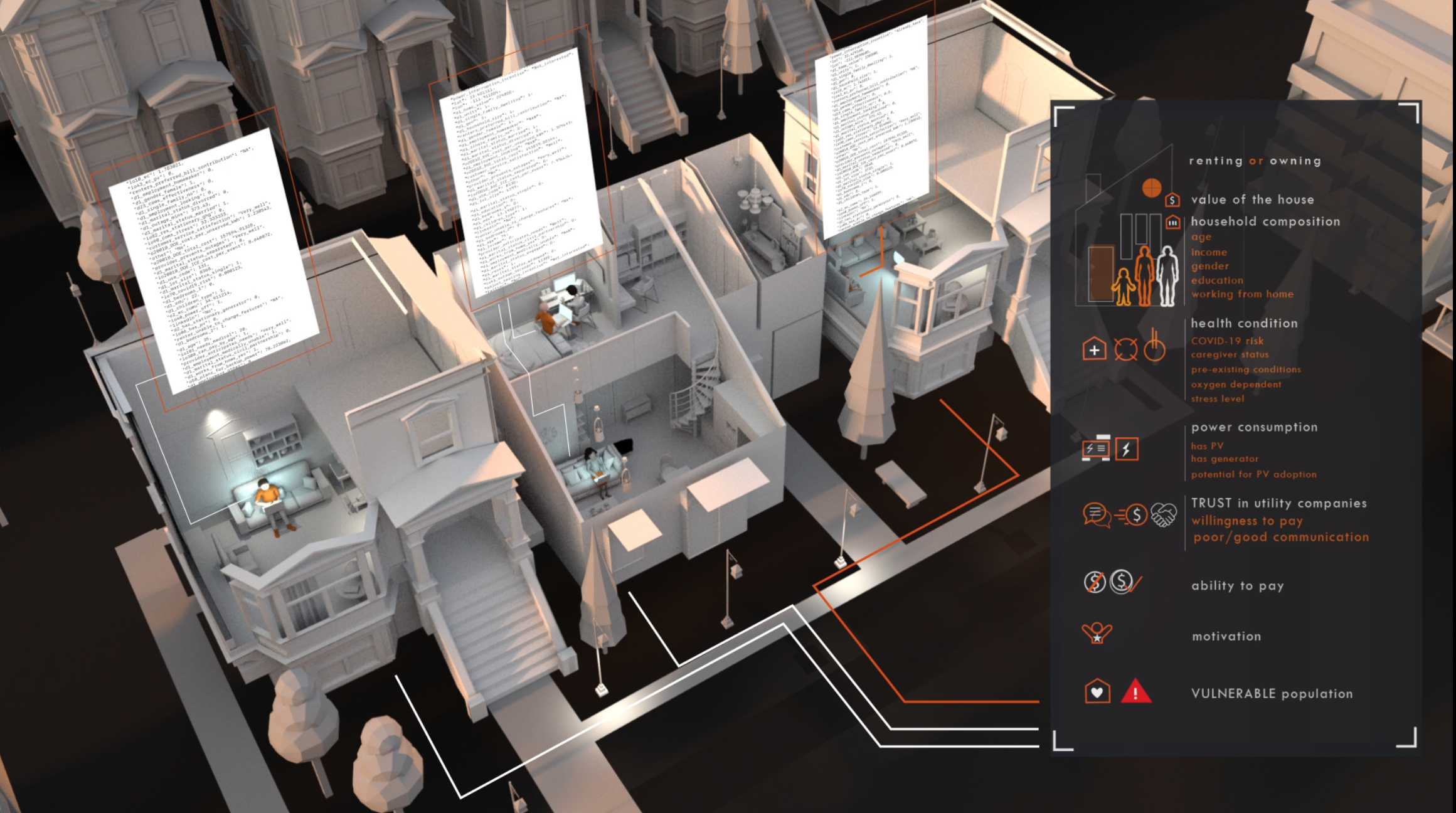
RWI’s Synthetic Environments feature features never-identified, geo-tagged synthetic people, each with a set of attributes reflecting their lives, demographics, health, habits, psychographics, patterns of life, circumstances, activities, responses, preferences, and values, all generated from publicly available data.
Communities around the world are facing increasing uncertainty as floods, fires, and other disasters become more frequent due to climate change.
RWI, in collaboration with the Electric Power Research Institute (EPRI) and the Tennessee Valley Authority (TVA), utilized Synthetic Modelling as a pilot project to better prepare Nashville for climate-related catastrophes.
We created a virtual copy of Nashville and then ran a scenario inside it: what would happen if the city experienced an unprecedented cold snap? How would it impact utilities and the over 680,000 residents of Nashville as temperatures fell and energy demand rose, resulting in a widespread power failure?
Our Synthetic Twin enabled us to visualize how the event would unfold: we could identify where power systems failed, which households would be most vulnerable to the cold, and which individuals required the most assistance. We saw medications expiring in powerless refrigerators and the centres where communities would gather for assistance.