
We know climate change is amplifying and exacerbating incidents into catastrophes, and governments are experiencing intensifying demand to adapt. Being proactive is no longer an option; it’s a necessity.
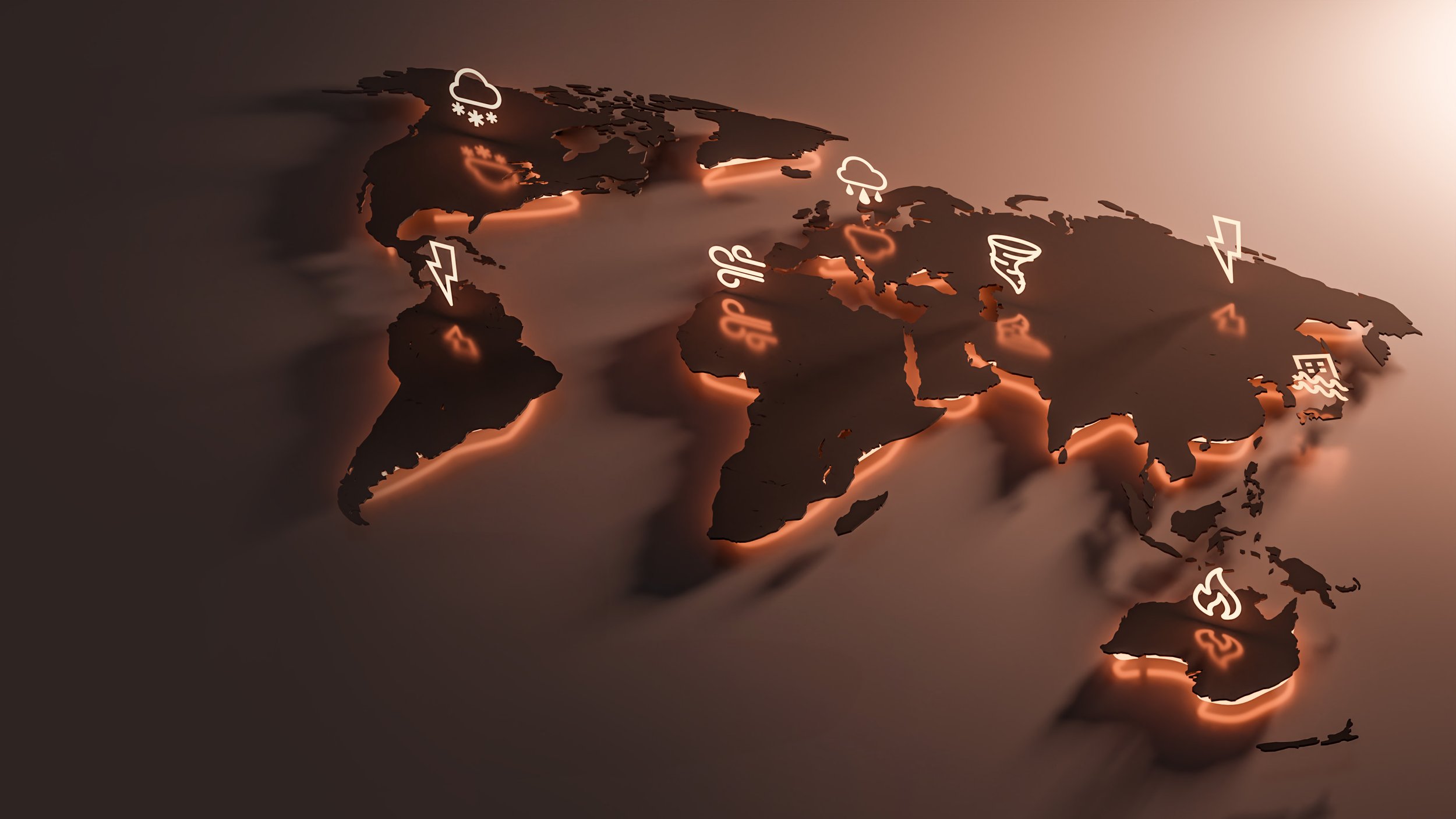
But most planning tools are limited to historical data and isolated risk maps. RWI’s Synthetic Twins replace costly drills and inefficient pilot programs with effective mitigation, resulting in costs, infrastructure, and lives saved.
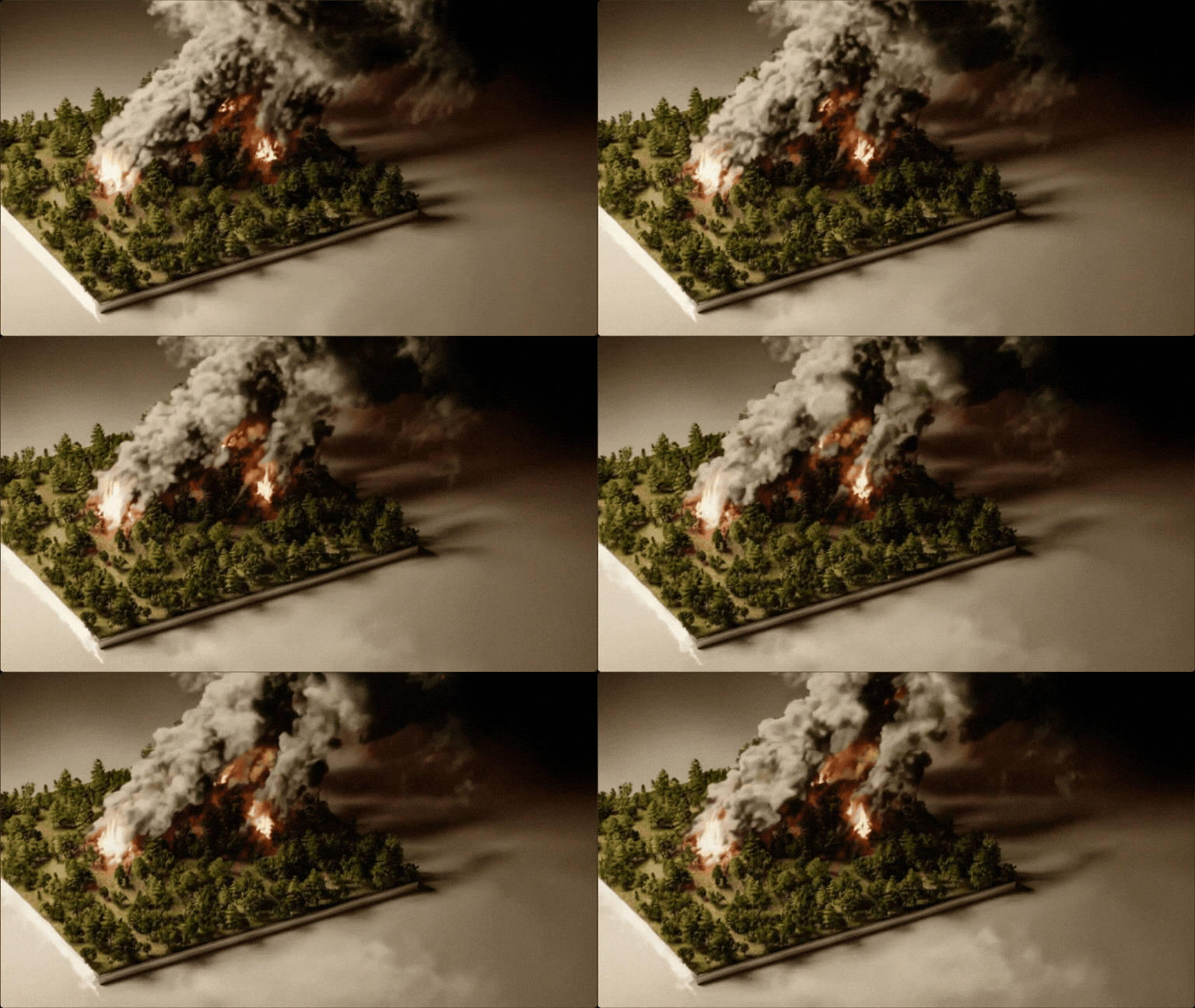
RWI creates dynamic, multi-dimensional climate resilience simulations that connect climate science with human behavior, policy, and infrastructure performance.
These simulations include scenarios for evacuation procedures, mass utility failure, acute disasters and more: we virtually model residences, people, infrastructure, and the built environment, demonstrating how individuals and communities will react during a climate event down to the second.
Climate change is making our current preparations less reliable every passing year. Preparing for the unprecedented and unimaginable in 6D sandboxes ensures mitigation efforts stay within budget and that no one gets left behind.
Connected Intelligence
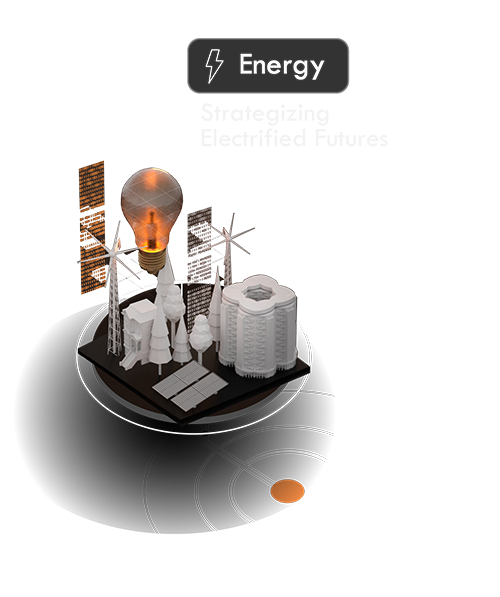
RWI’s “systems-seeing” platforms allow the future of energy to become inflectable, configurable, interactive, and visualized.
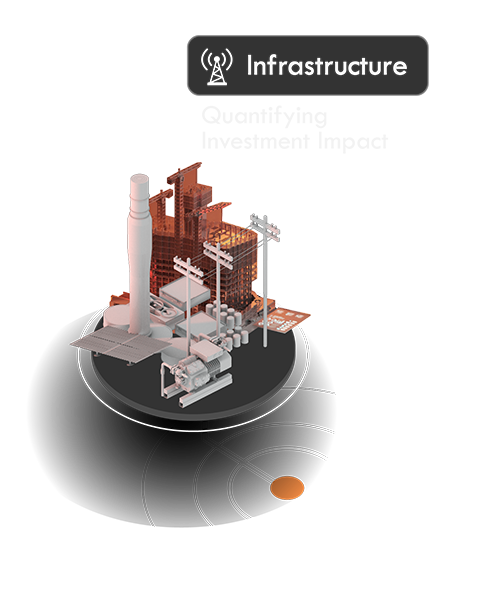
Ensuring security and resiliency investments in critical services and utilities are quantified, comprehensive and prepared for the unprecedented.
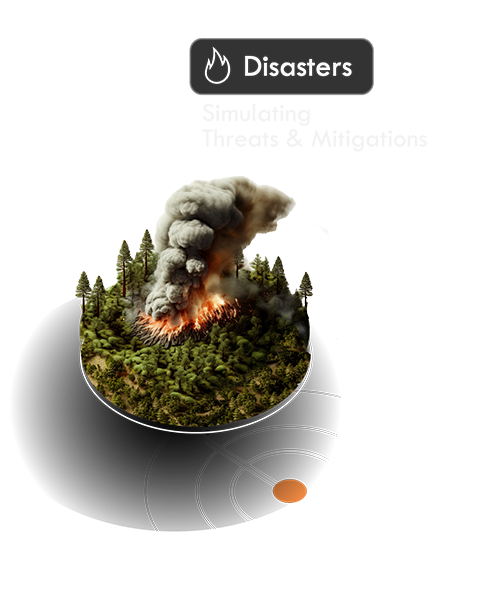
Augmented disaster visualization replaces fragmented data and accelerates planning, cuts on costly drills, and boosts accuracy, coordination, and efficiency across agencies.
Active Intelligence
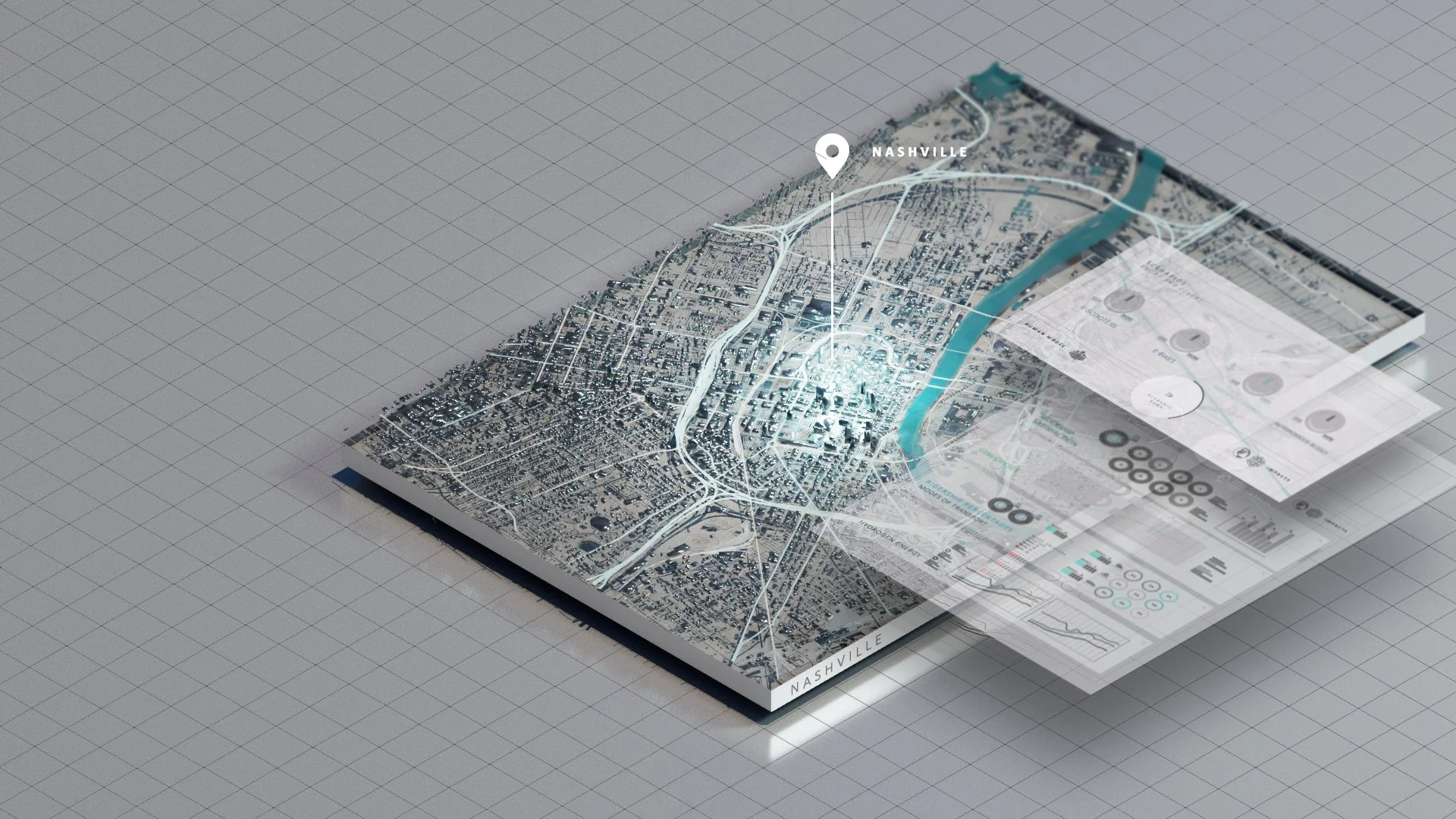
Simulating Extreme Cold in Nashville
In a pilot with the Tennessee Valley Authority, we simulated an extreme cold snap and power outage in Nashville to show grid impacts and community vulnerabilities, particularly in lower-income neighborhoods.
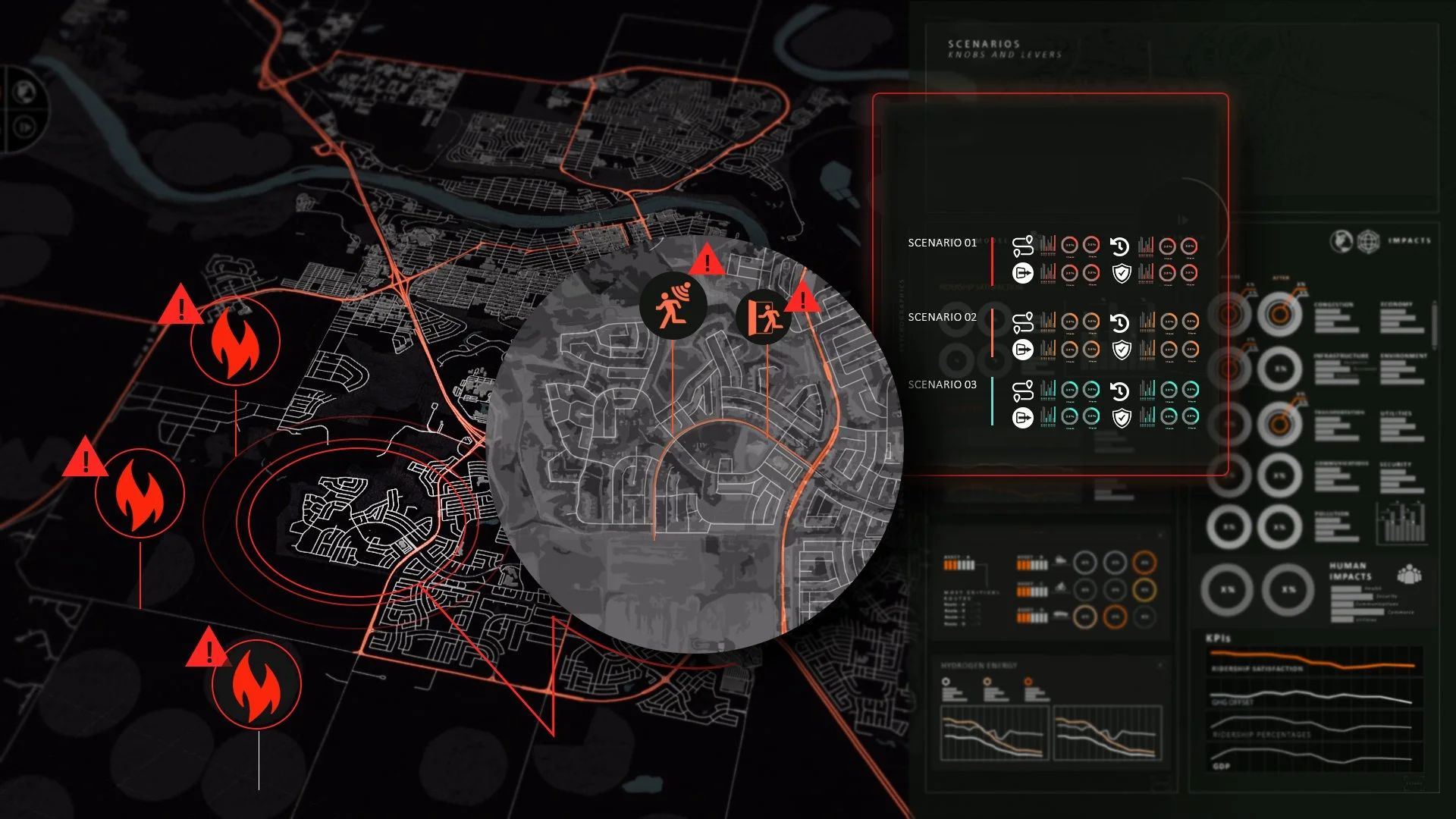
Synthesizing Wildfire Evacuations
In Western Canada, rising urban-wildfire interactions prompt emergency responders to identify infrastructure and policy risks, and RWI’s Synthetic Intelligence helps municipalities find the most efficient, cost-effective, and human-focused evacuation options.

Modelling Energy Security
RWI is testing a web-based 6D shared interface that lets users interactively model energy security and resilience by adjusting variables across climate and human impacts.
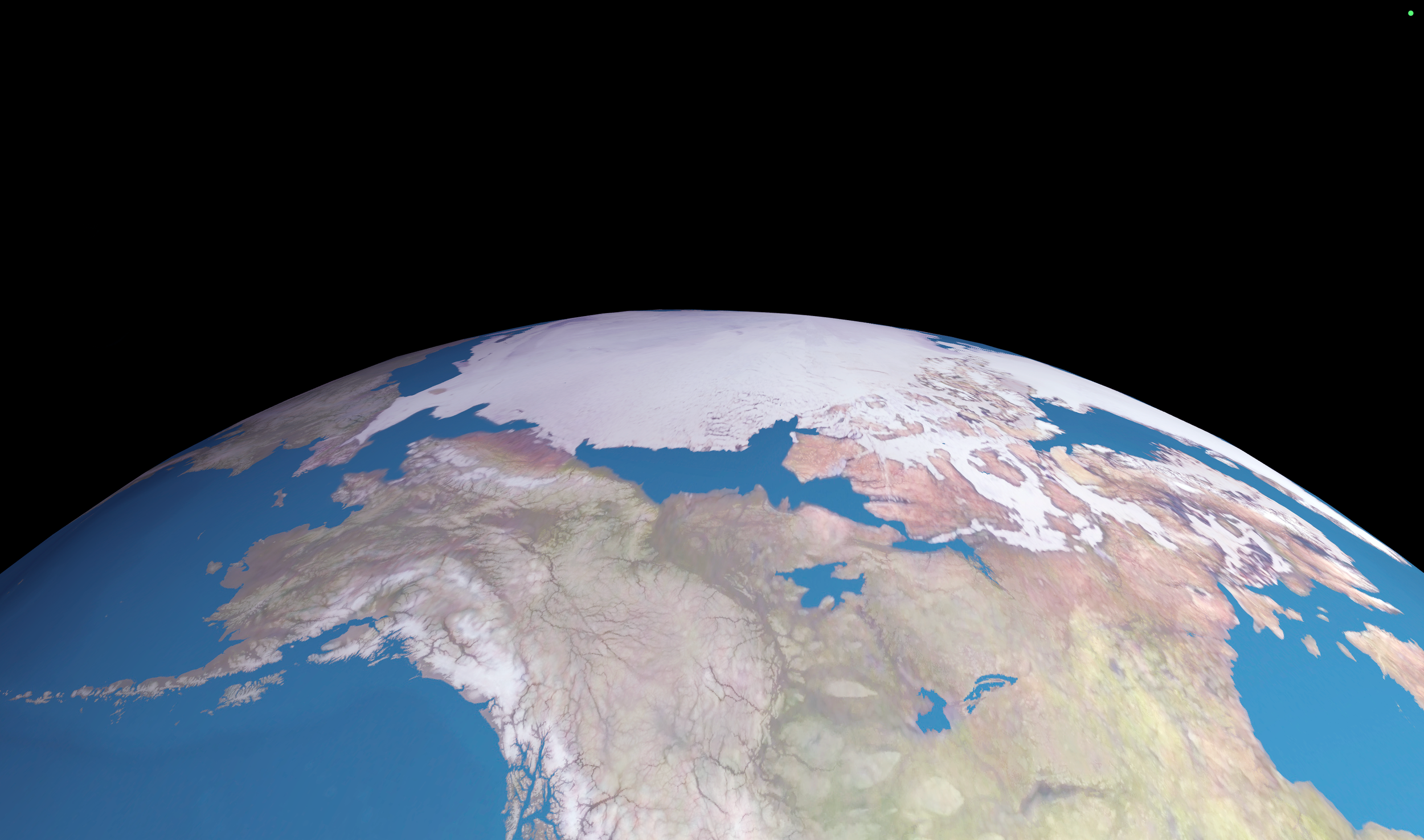
Creating the Synthetic North
Complex problems in the north require hyper-local insights and tailored solutions as Arctic and sub-Arctic investments accelerate. RWI responded by creating Synthetic North, a 1.35 million m² high-fidelity Synthetic Twin with 15 million data points to support strategic decision-making.
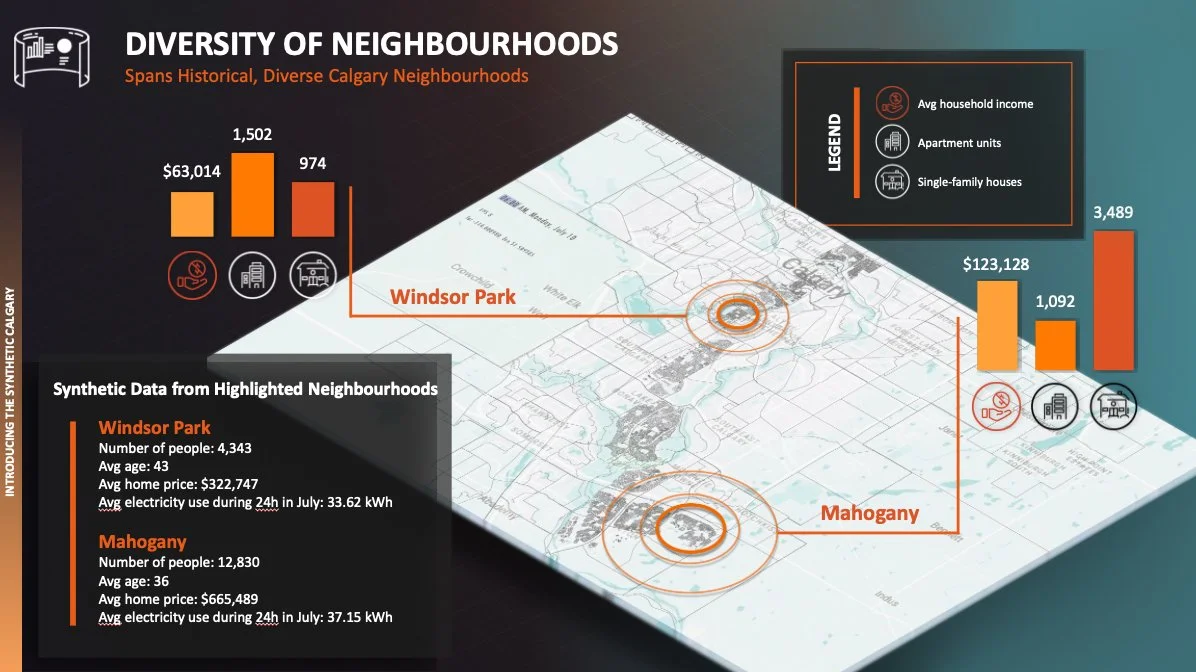
Forecasting Electrification in Calgary
New grid load dynamics challenge traditional forecasting, prompting utilities like ENMAX Power to rethink existing processes. We addressed this by creating a 6D Synthetic Twin of Calgary that forecasts 2050 electrification demand with inflectable scenarios.
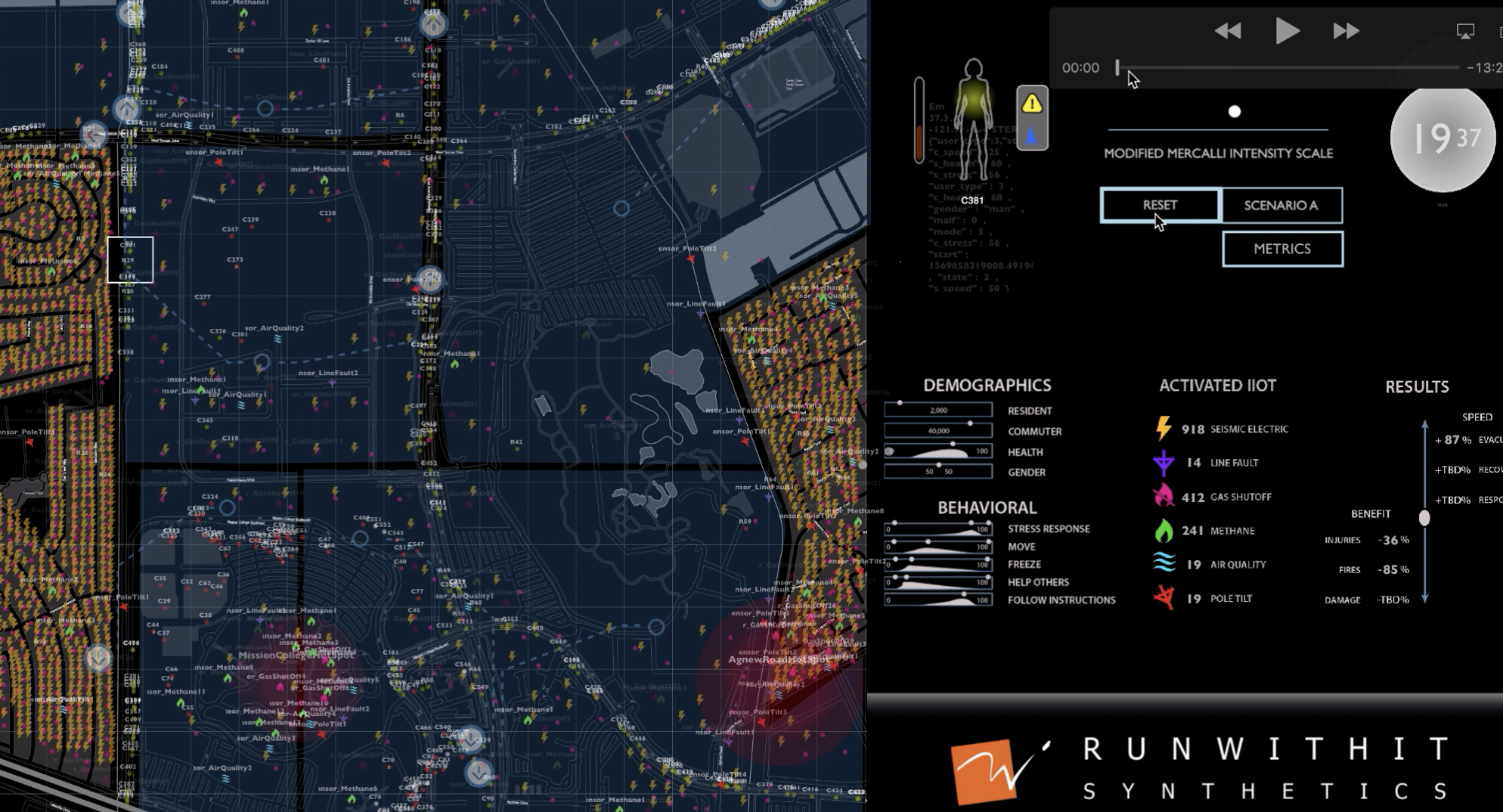
An IIoT Earthquake in Silicon Valley
Utility infrastructure data can guide emergency responders and improve AI-driven communications and evacuation through IIoT systems. To demonstrate this, RWI synthesized Silicon Valley’s utility networks and commuter population, then simulated a ‘synthetic earthquake’ to analyze human behavior, infrastructure impact, and emergency response in real-time.