
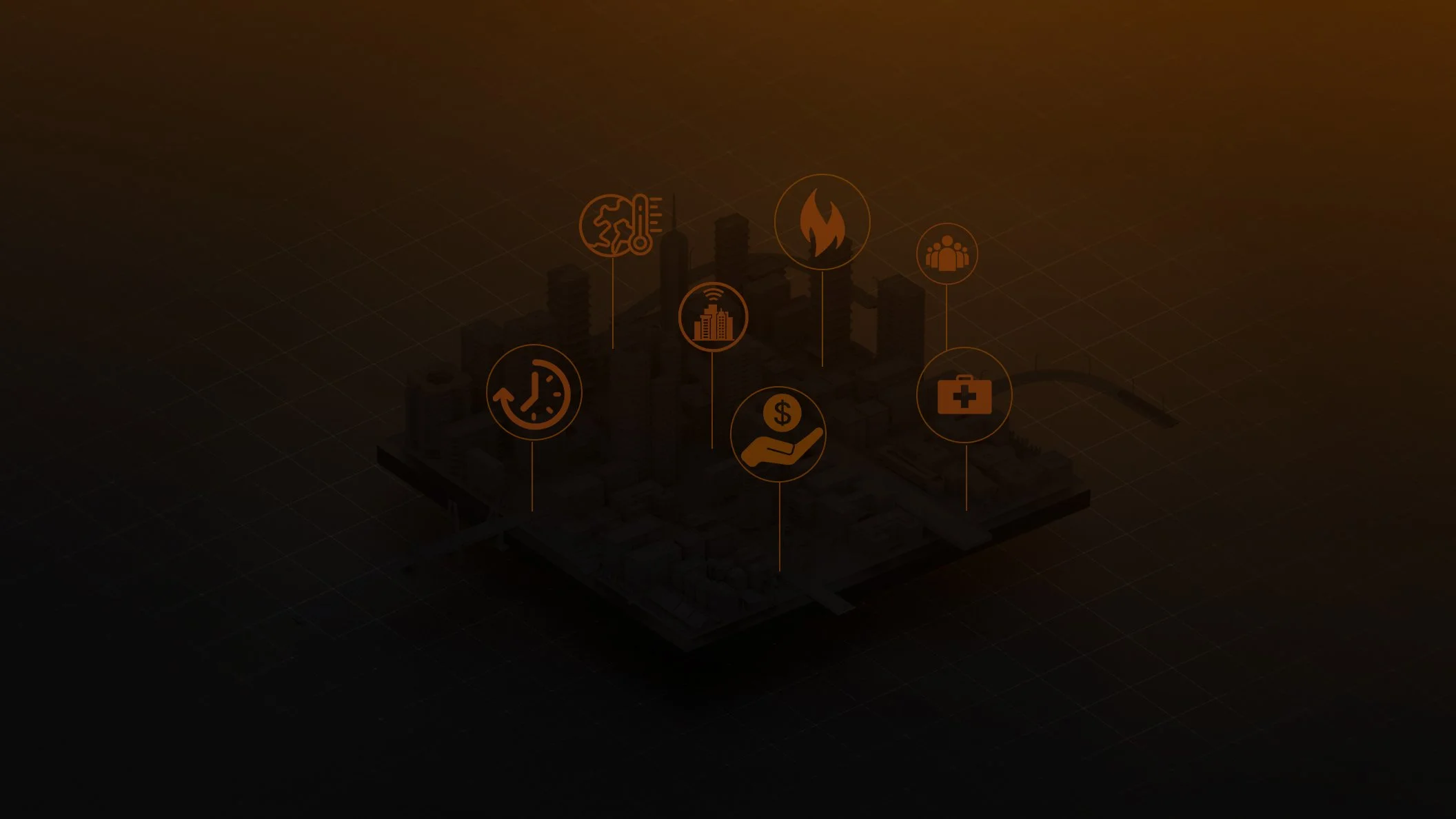
Decision-makers lack integrated, predictive tools to model disasters. RWI’s visual modelling platform integrates time, context, and people into a single tool, enabling the forecasting of emergency responses and strategic resource allocation before the worst-case scenarios strike.
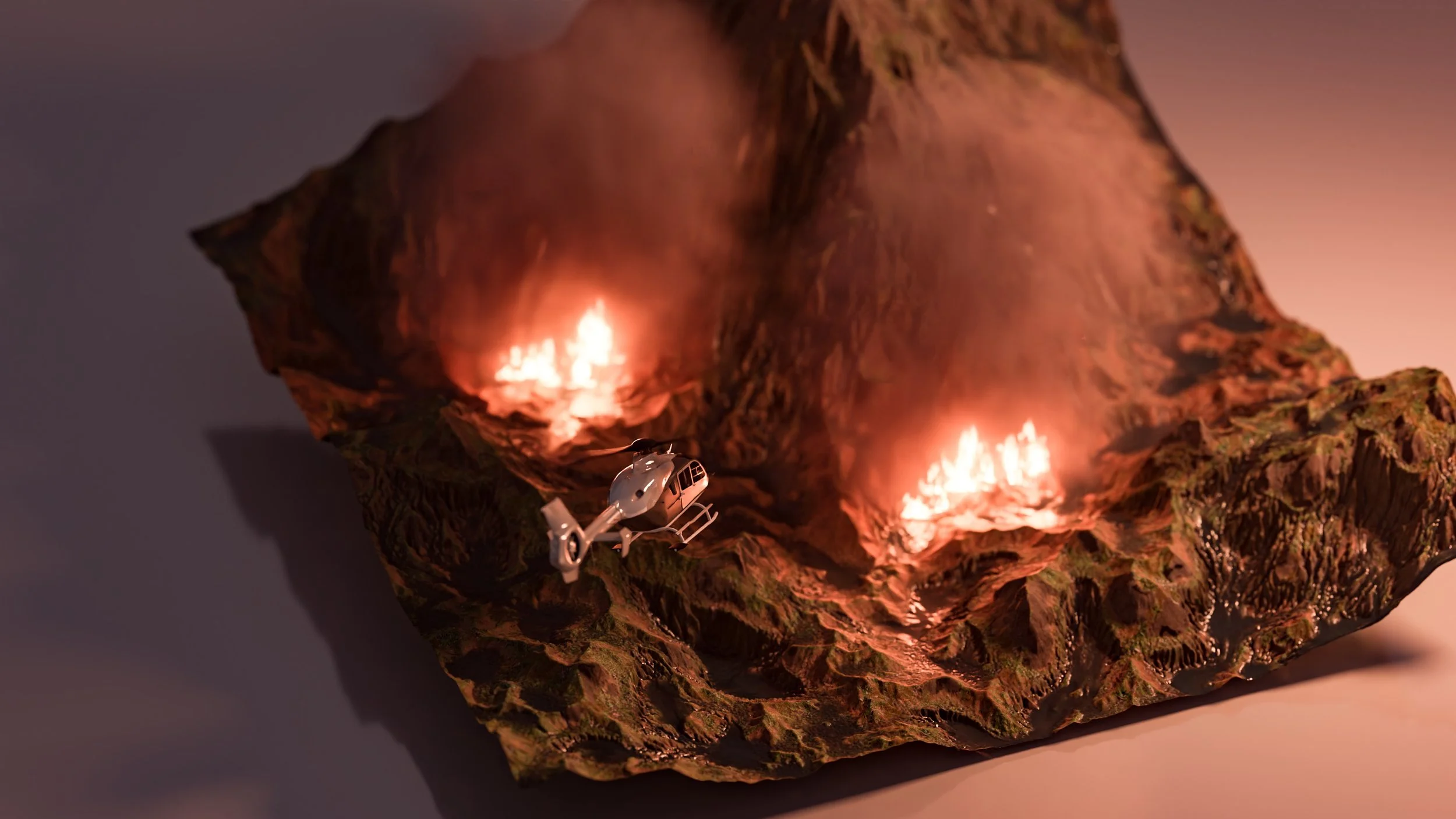
Replacing fragmented data with augmented visualization significantly increases planning speeds, saves on repeating costly drills, and improves accuracy, response coordination, and efficiency across multi-agency collaboration.
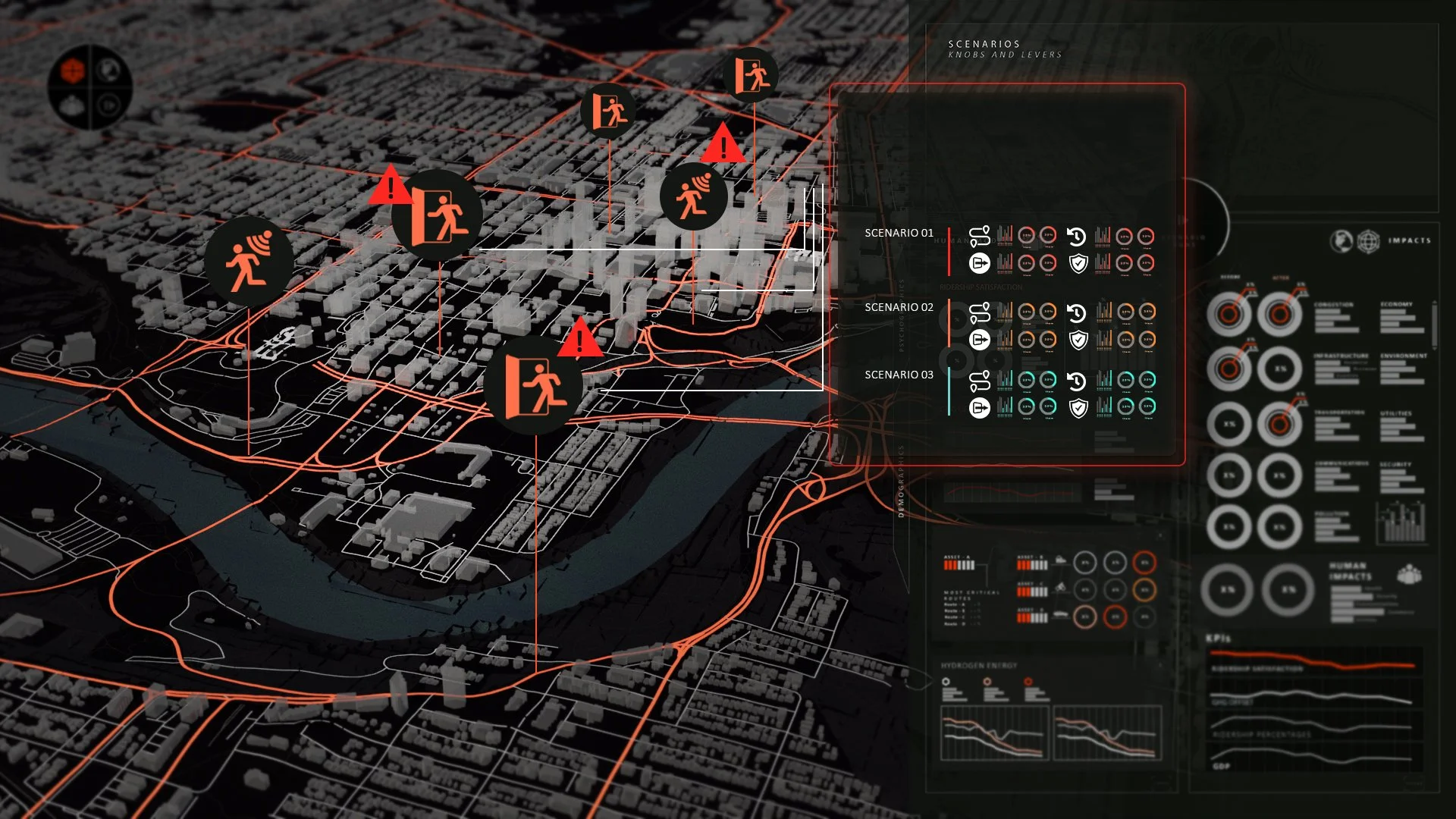
More efficient planning focused on populations, especially vulnerable populations, isn’t just a helpful tool: it’s the way communities can best protect people and save lives when disasters occur.
Connected Intelligence
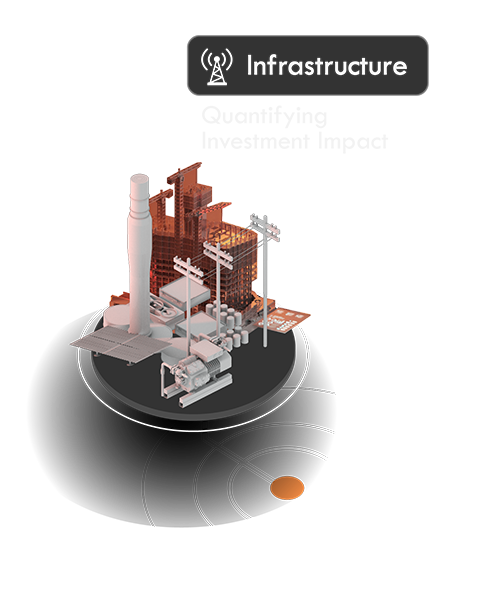
Ensuring security and resiliency investments in critical services and utilities are quantified, comprehensive and prepared for the unprecedented.
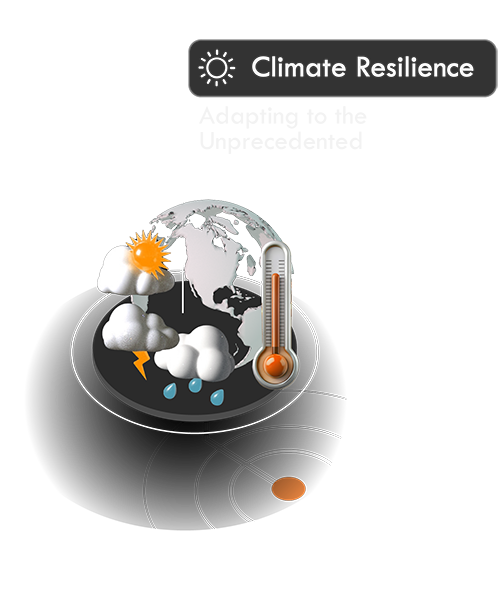
Preparing for the imaginable and unimaginable in 6D sandboxes to ensure no one gets left behind.
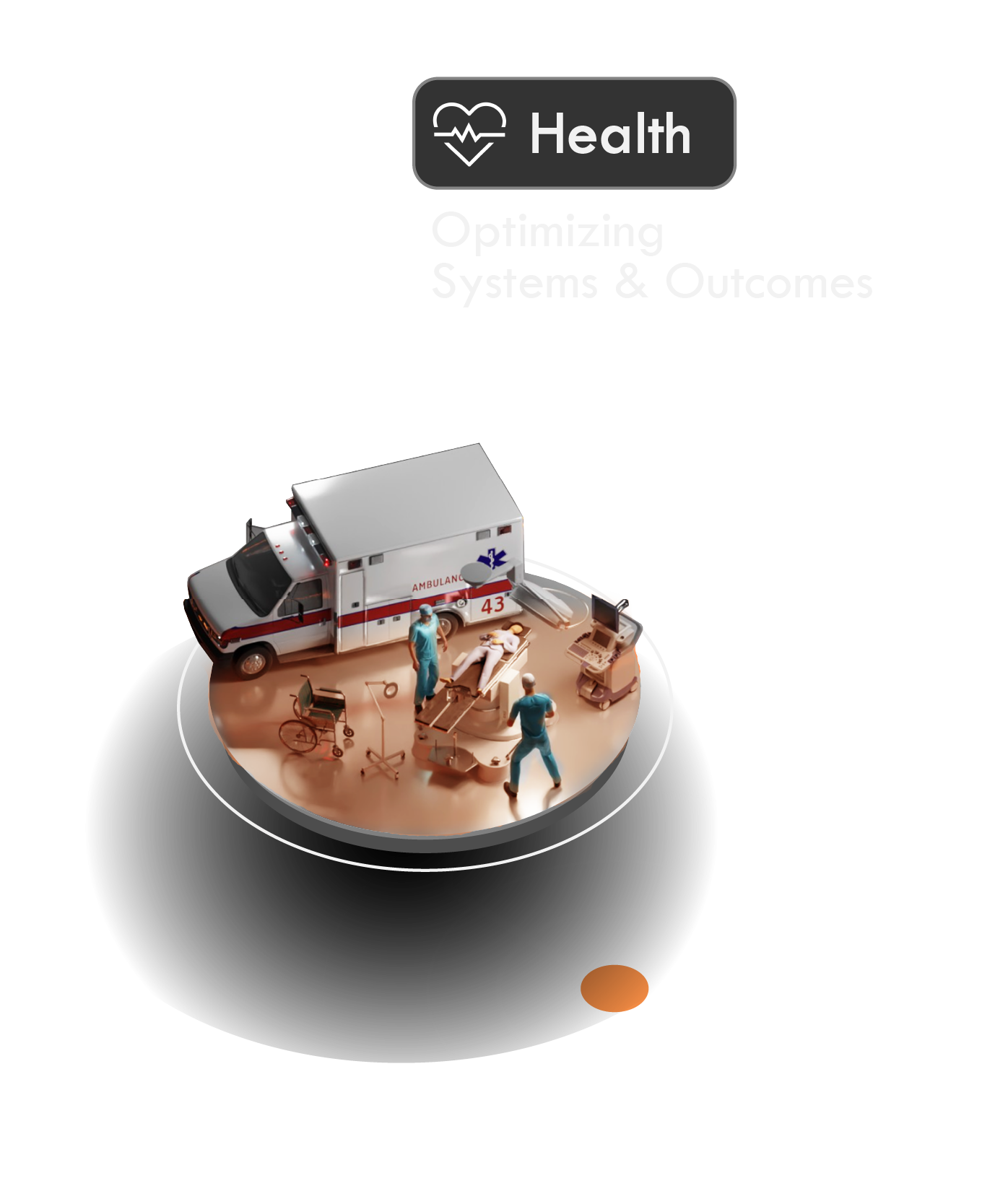
RWI relates health and novel medical interventions to quantifiable outcomes for people, their loved ones, their communities, and healthcare systems.
Active Intelligence
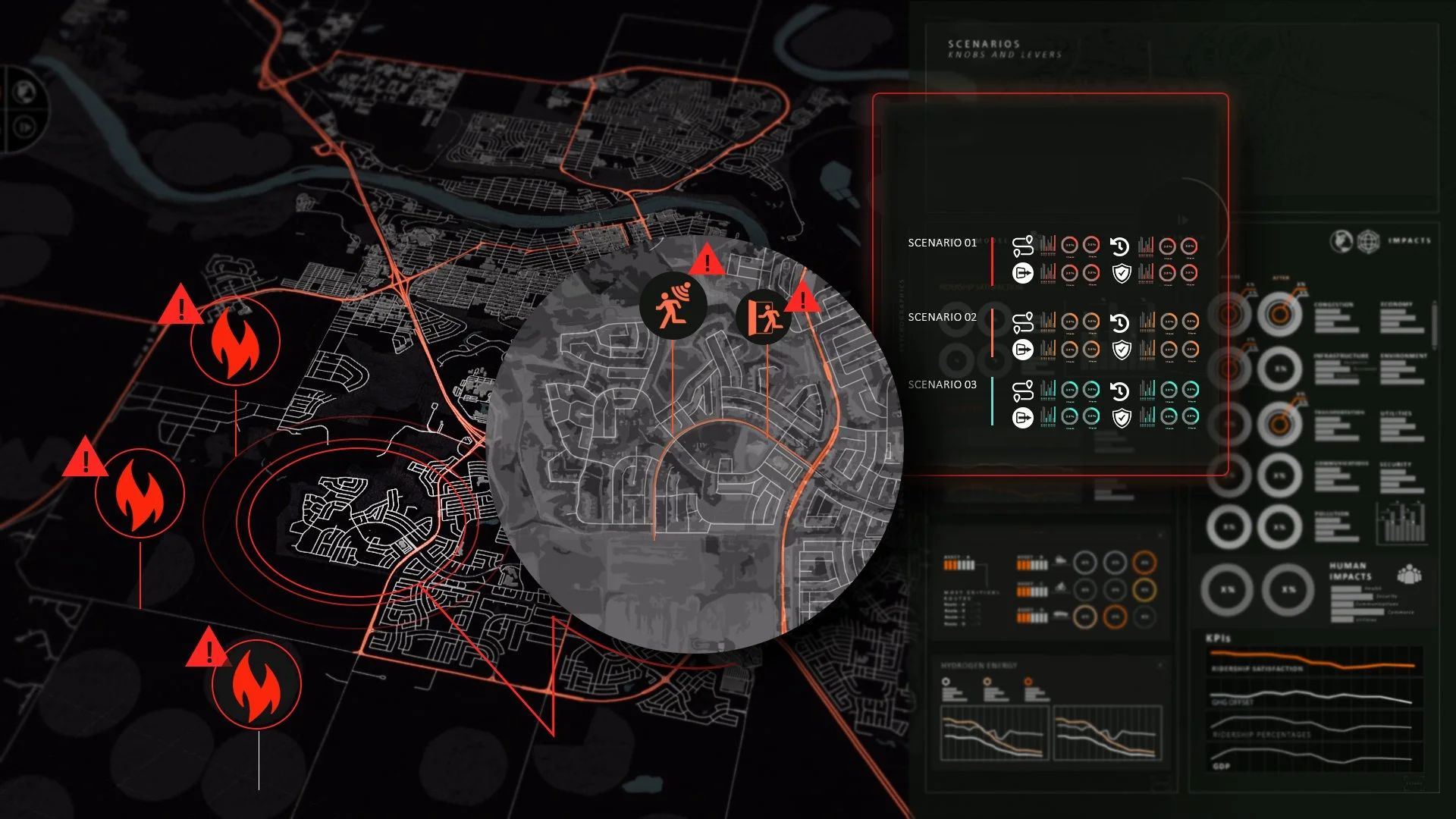
Synthesizing Wildfire Evacuations
In Western Canada, rising urban-wildfire interactions prompt emergency responders to identify infrastructure and policy risks, and RWI’s Synthetic Intelligence helps municipalities find the most efficient, cost-effective, and human-focused evacuation options.
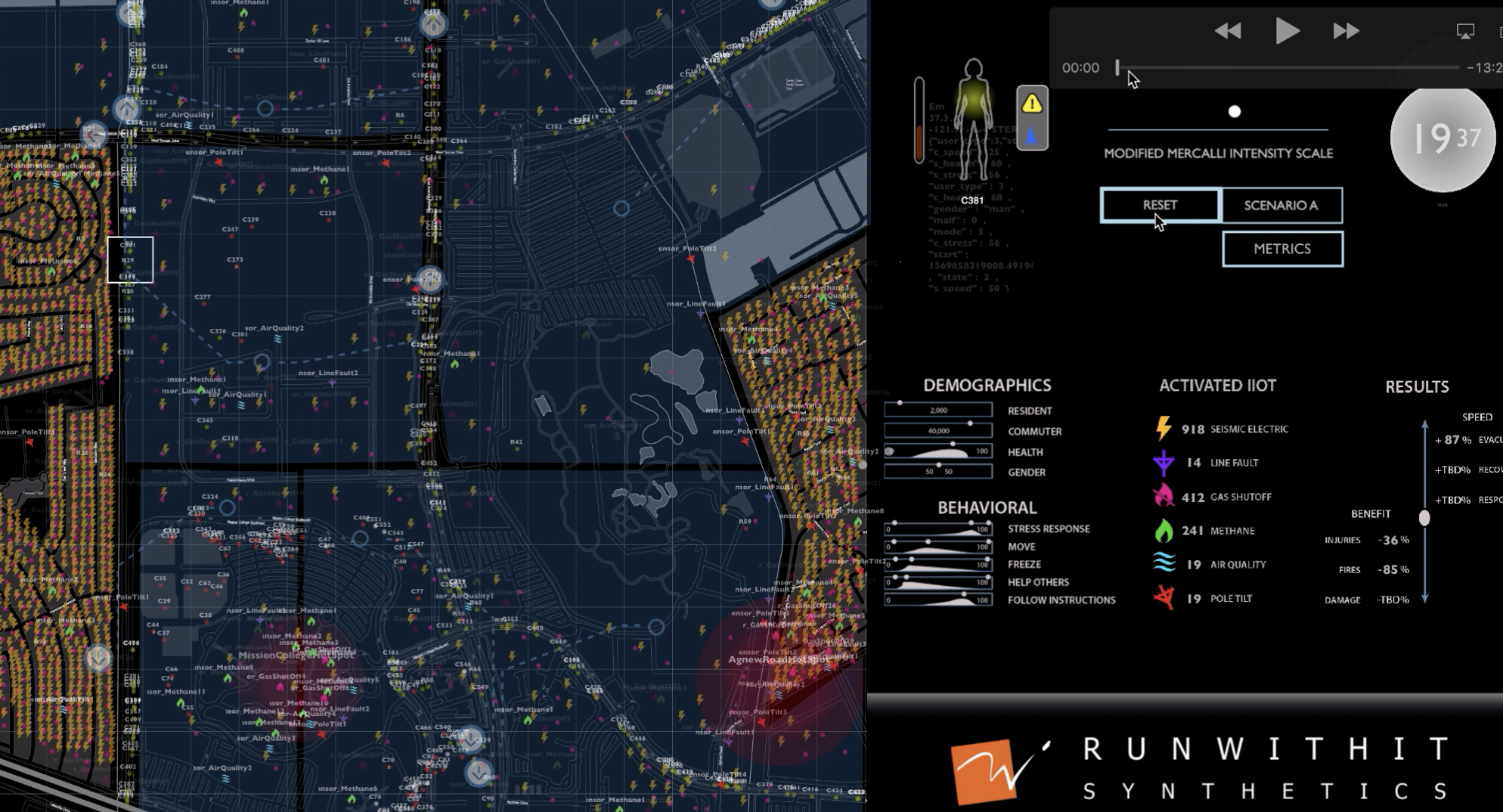
An IIoT Earthquake in Silicon Valley
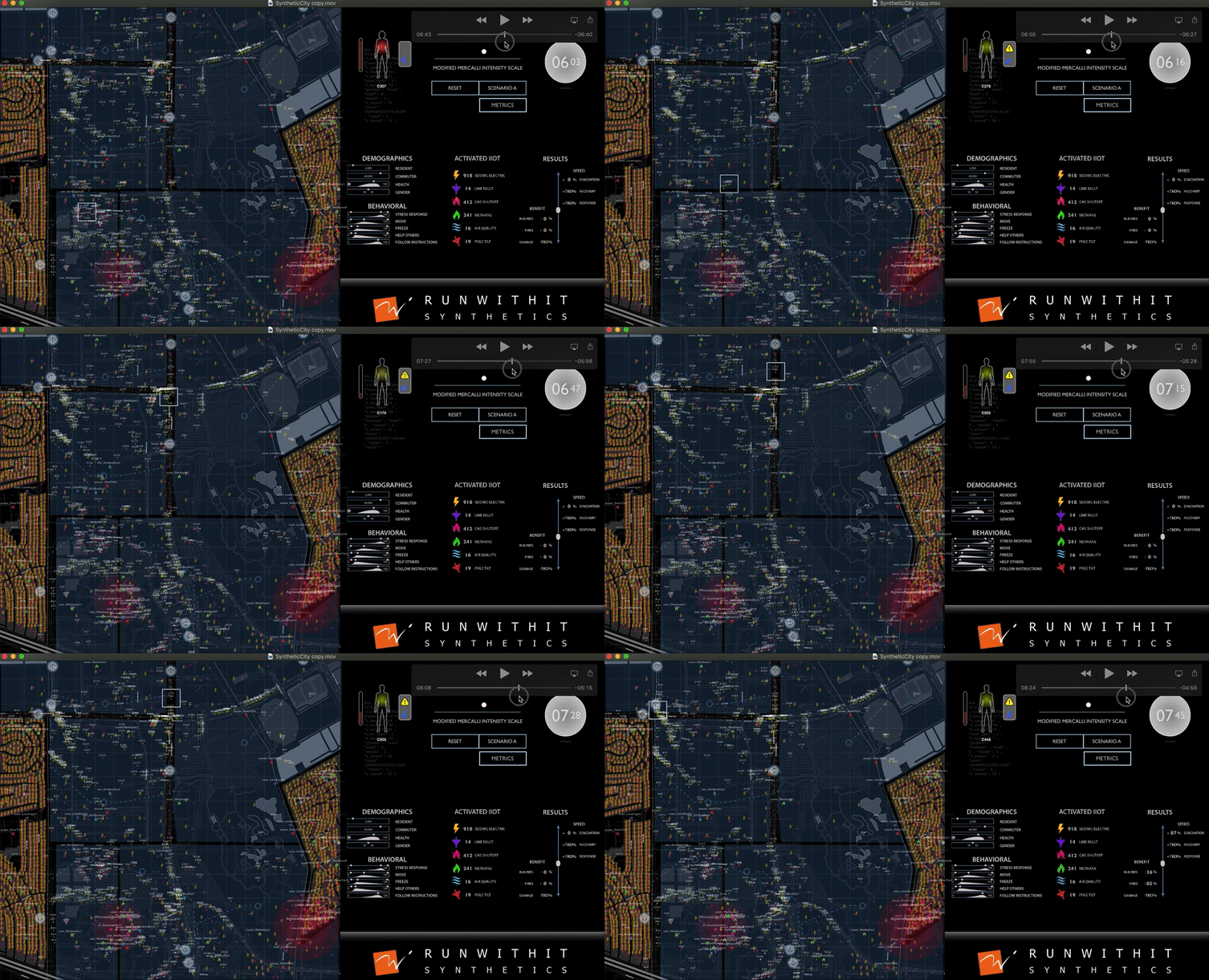
Utility infrastructure data can guide emergency responders and improve AI-driven communications and evacuation through IIoT systems. To demonstrate this, RWI synthesized Silicon Valley’s utility networks and commuter population, then simulated a ‘synthetic earthquake’ to analyze human behavior, infrastructure impact, and emergency response in real-time.
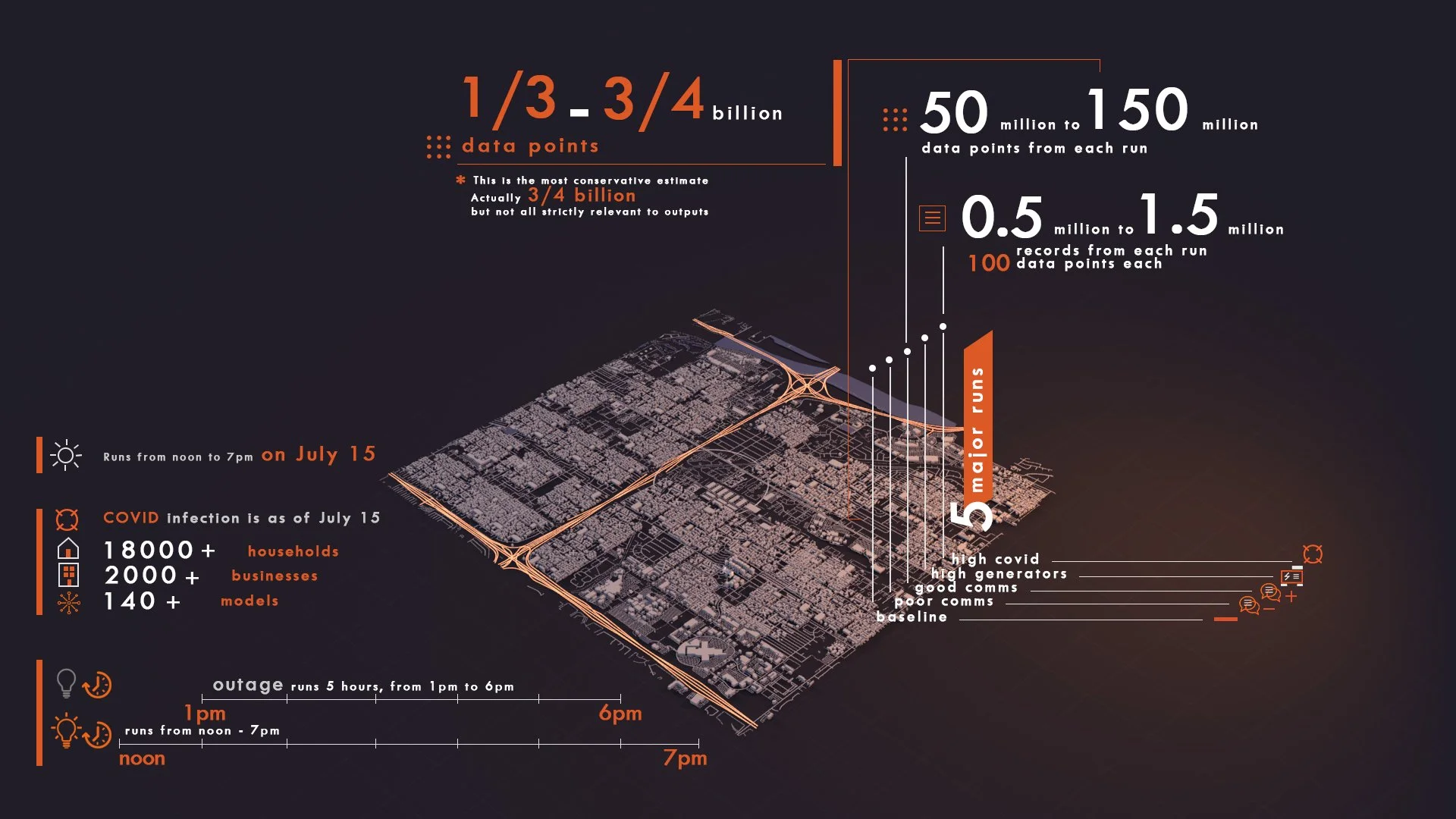
COVID Modelling
Cascading disasters combining medical events and infrastructure failures are difficult to plan for due to limited historical data and the complex interplay among risks and the health and well-being of vulnerable populations. Selected by EPRI’s Incubatenergy® Labs Challenge, RWI created a Synthetic Twin to model and assess resilience during a COVID-19 outbreak coupled with a grid outage.

Wildfire Smoke Health Implications
Wildfire particulate matter (PM2.5) is a dangerous carcinogen, with its effects becoming acute and chronic alongside summer wildfires. We synthesized the impact of wildfire smoke on our Synthetic Twin of the Edmonton Metropolitan region, demonstrating how prior conditions, poor indoor air quality, outdoor work, and more are exacerbated by particulate matter, leading to adverse health outcomes.