
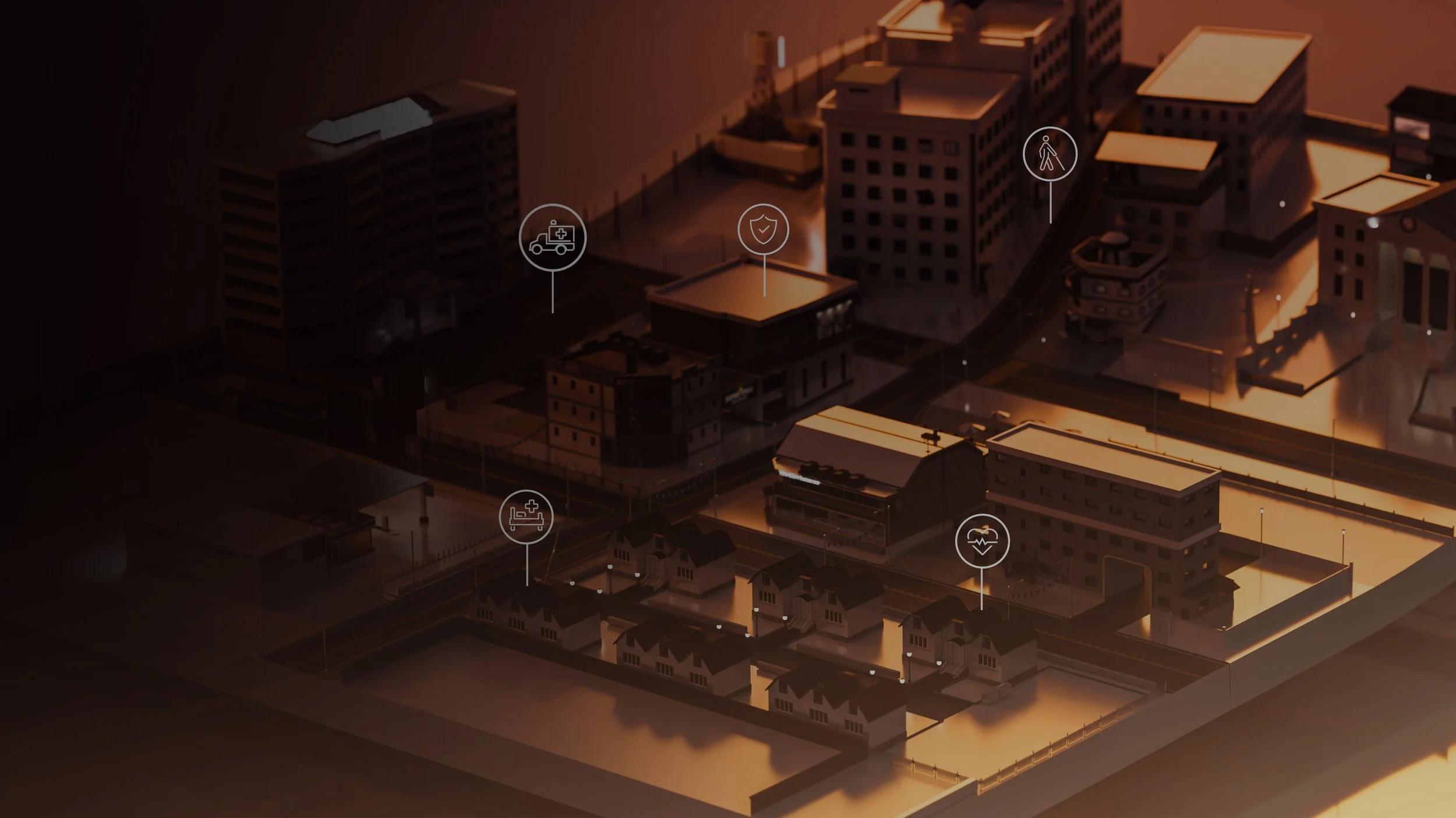
Health systems are increasingly expected to anticipate and manage complex, interconnected issues, including aging populations, increasing costs, and the threat of climate-related illnesses. But their digital tools are antiquated, fragmented and siloed.

We know that digital toolsets that assist and transform healthcare networks aren’t just valuable assets: they save lives. We know that equity-focused policies and de-risked plans lead to better patient outcomes, and these have both been primary applications of RWI’s Synthetic Twins from the start.
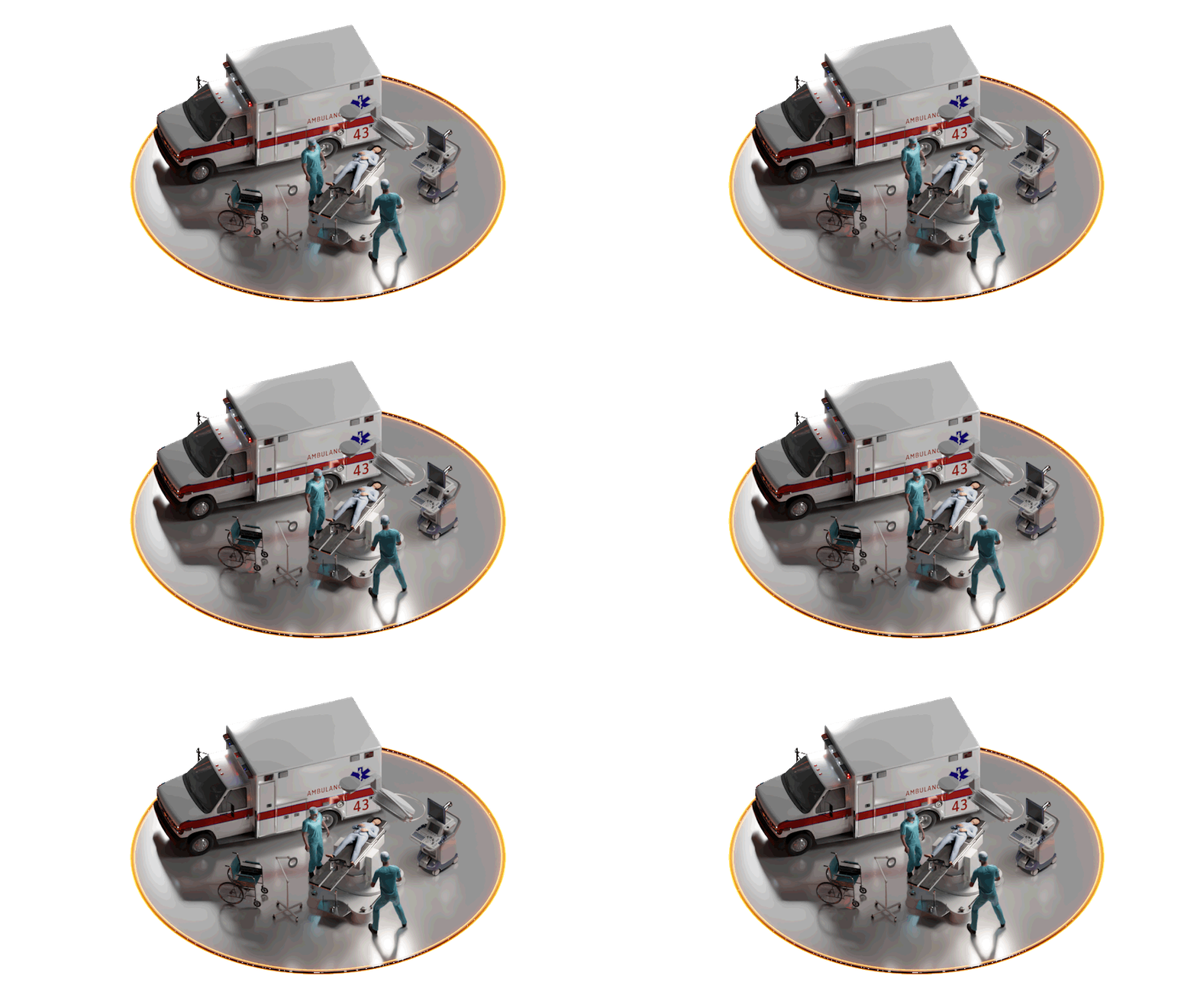
RWI enables proactive, data-driven preparedness and health system planning through dynamic synthetic populations and simulation scenarios. We generate and validate Synthetic Population data that includes relevant health attributes and disease conditions, such as air quality, co-morbidities, and relationships between transit access and mental health, thereby significantly improving resource allocation efficiency.
When our Synthetic Twins model reality, we ensure the equation always accounts for the physical well-being of people and populations.
Connected Intelligence
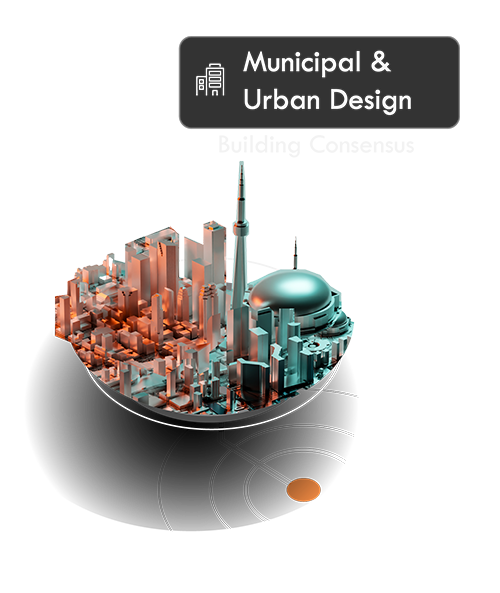
Converged datasets and synthetic sandboxing transform strategic planning for urban growth, eliminating the time, cost, and siloization associated with traditional approaches.
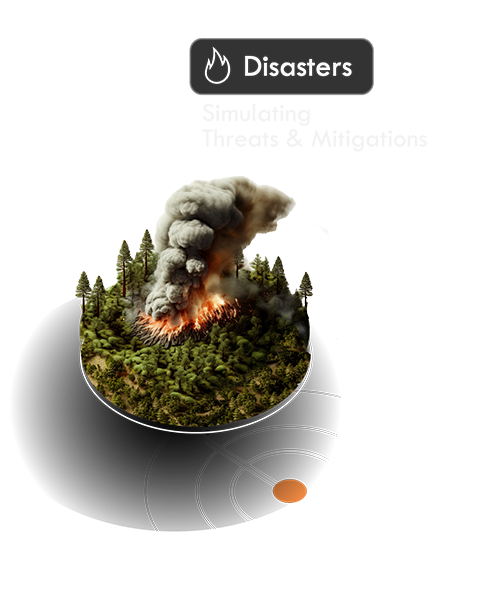
Augmented disaster visualization replaces fragmented data and accelerates planning, cuts on costly drills, and boosts accuracy, coordination, and efficiency across agencies.
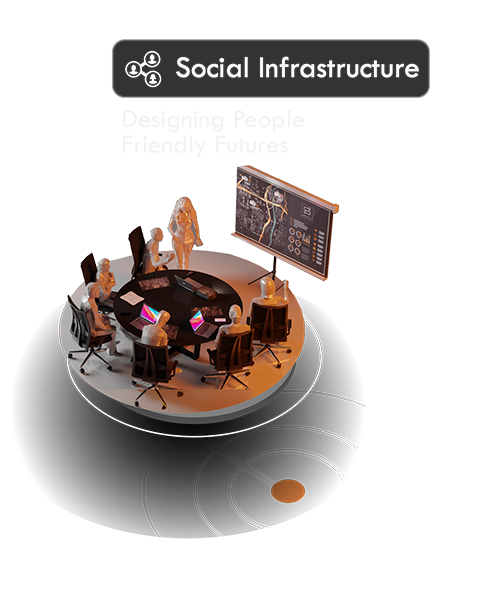
We revolutionize social planning, calculating all of the impacts and informing accelerated and de-risked policy adoption.
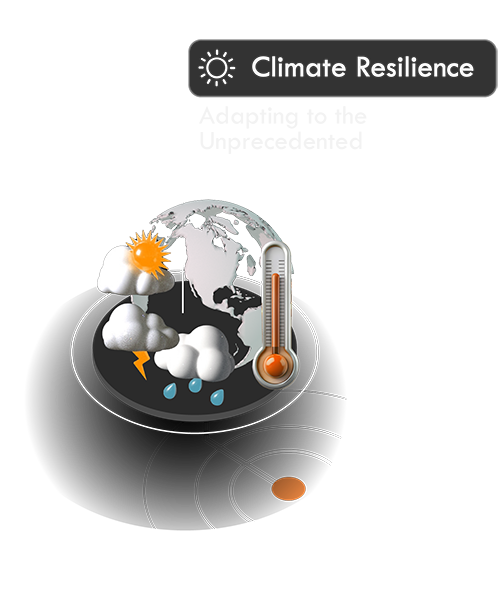
Preparing for the imaginable and unimaginable in 6D sandboxes to ensure no one gets left behind.
Active Intelligence

Disease Conditions and Connected Care
RWI is receiving advisory support and funding from NRC IRAP to research mapping disease conditions in rural and remote synthetic populations. This work, part of an international consortium under the Eureka ITEA cluster, models, analyzes, and visualizes the deployment of connected care interventions.
COVID Modelling
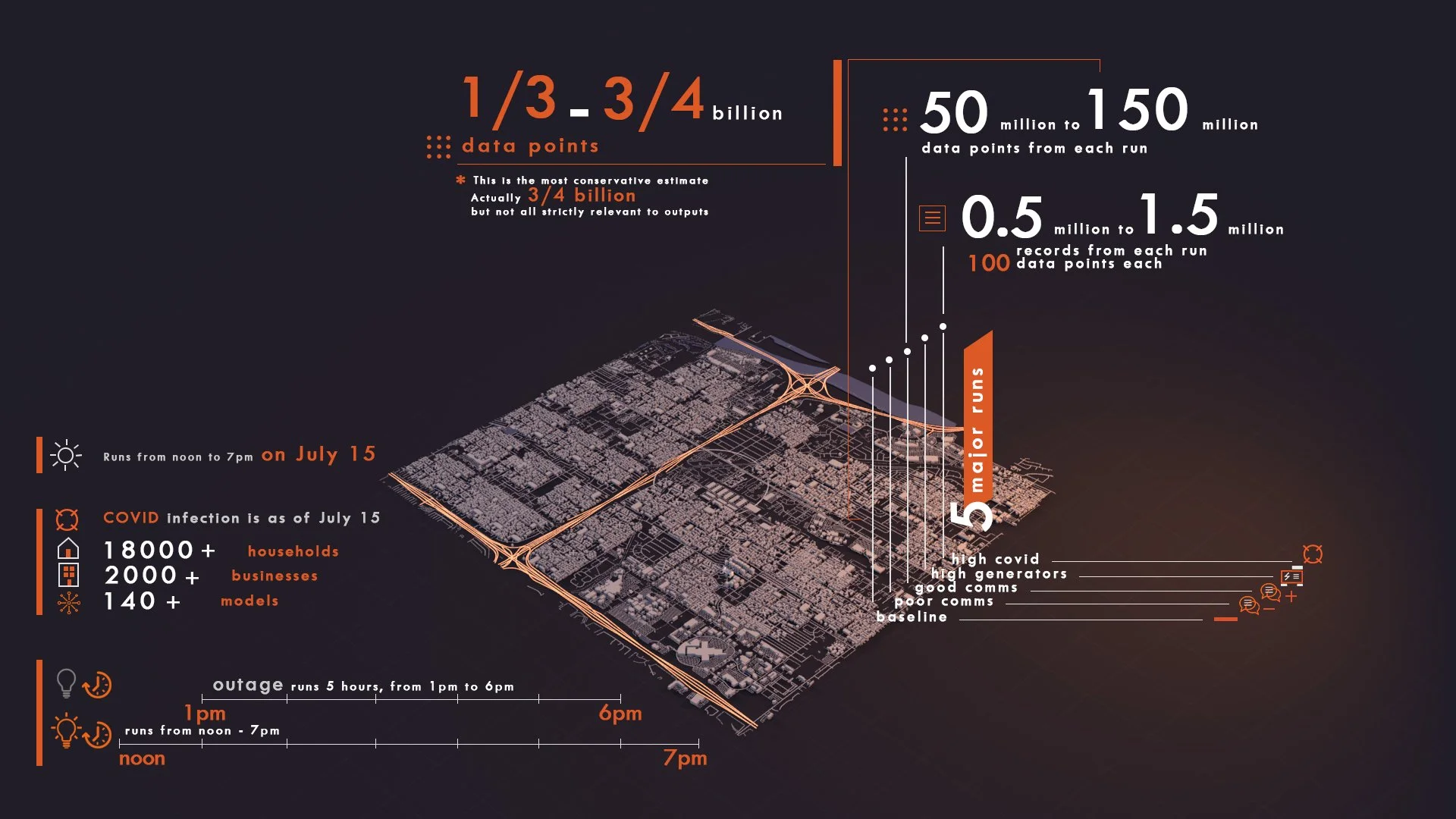
Cascading disasters combining medical events and infrastructure failures are difficult to plan for due to limited historical data and the complex interplay among risks and the health and well-being of vulnerable populations. Selected by EPRI’s Incubatenergy® Labs Challenge, RWI created a Synthetic Twin to model and assess resilience during a COVID-19 outbreak coupled with a grid outage.

Wildfire Smoke Health Implications
Wildfire particulate matter (PM2.5) is a dangerous carcinogen, with its effects becoming acute and chronic alongside summer wildfires. We synthesized the impact of wildfire smoke on our Synthetic Twin of the Edmonton Metropolitan region, demonstrating how prior conditions, poor indoor air quality, outdoor work, and more are exacerbated by particulate matter, leading to adverse health outcomes.