
The future is novel, and we need new toolsets to improve planning and better equip our social support systems. Governments, not-for-profits and planners face growing pressure to design equitable, people-centred communities, yet they often rely on outdated or incomplete data about how real people live, move, and interact, and what they need.
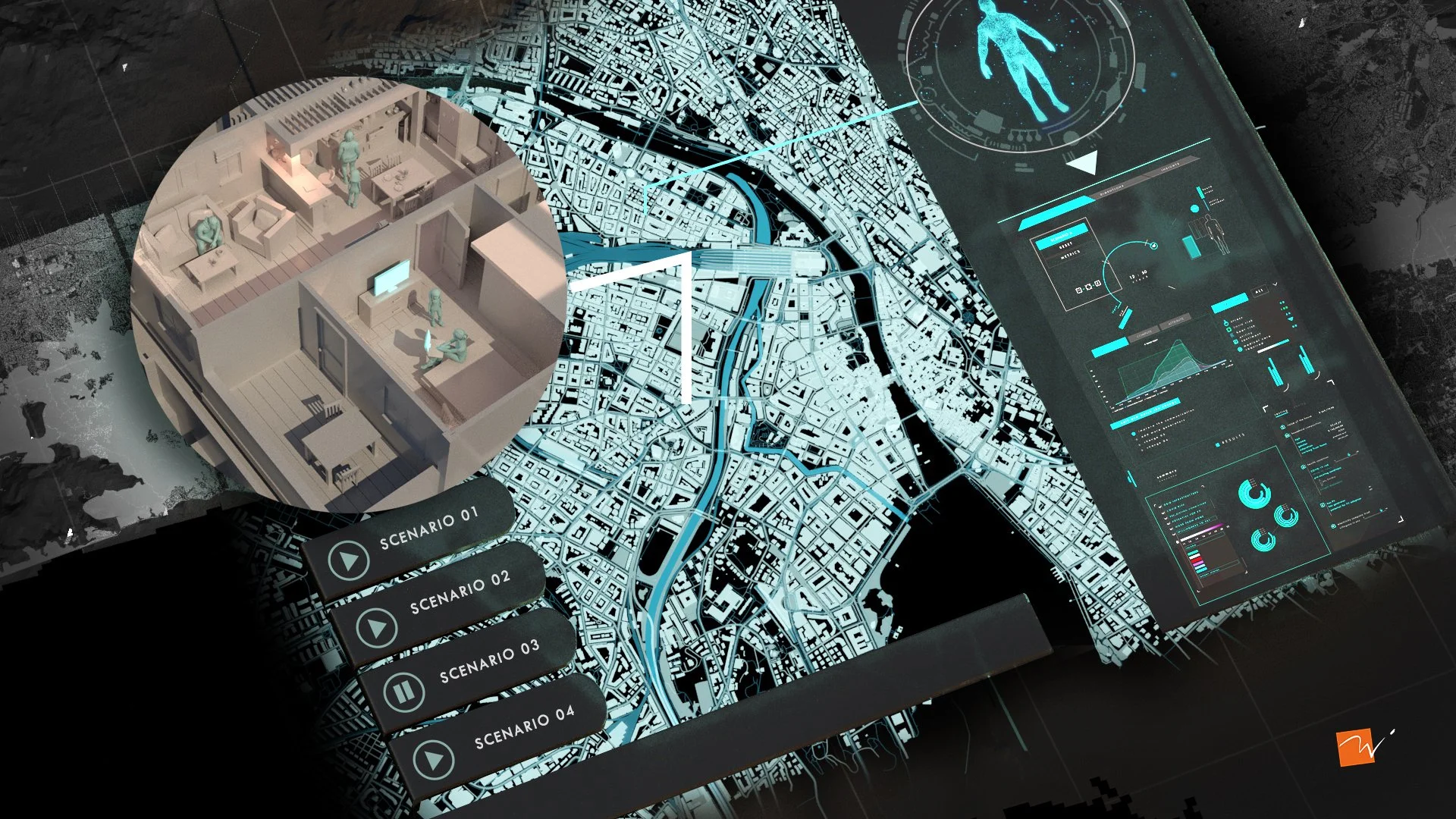
RWI brings human behavior and social equity into the planning process. Data-supported decisions improve the social support policies, infrastructure, and systems in our communities, eliminating the need for costly, time-consuming pilot programs.
Synthetic Twins secure better accuracy in community adoption and improvement in social program reach, and reduce the risk of inequitable outcomes while strengthening public trust By generating never-identified synthetic people, invisible populations are never left behind.
Our communities deserve social supports that are built-to-purpose, bias-free, and cost-effective.
RWI’s Synthetic Twin platform is the toolset to best equip our social support systems now and for any number of imaginable futures.
Connected Intelligence
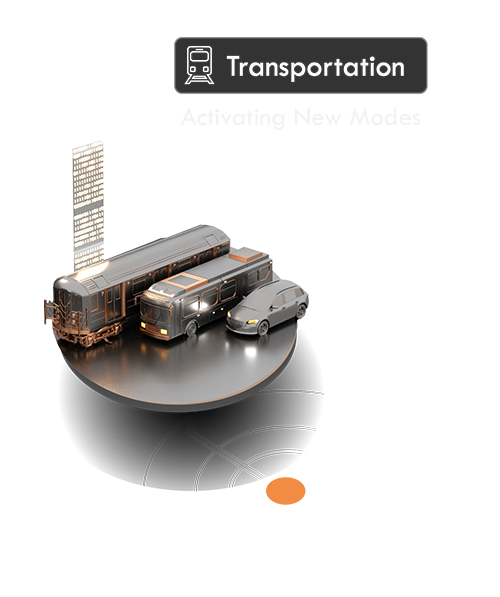
Synthetic Twins facilitate moving people more places, more sustainably, enjoyably, economically, accessibly, and equitably.
Converged datasets and synthetic sandboxing transform strategic planning for urban growth, eliminating the time, cost, and siloization associated with traditional approaches.
Face complex social, investment, and policy challenges in your region with data-backed solutions activated by intelligent, 6D sandboxing.
Empowering sovereignty for Indigenous Rights Holders and Peoples with augmented intelligence and representative insights.
Active Intelligence

Youth Belonging
Youth sense of belonging is challenging to quantify, but it’s also a key indicator of a community’s connectedness and social health. Improved belonging can facilitate everything from classroom attendance in the present to increasing economic growth in the future. Planning and social services can utilize Synthetic Twins and Populations to test, forecast, and sandbox the various measures that can improve youth’s sense of belonging.
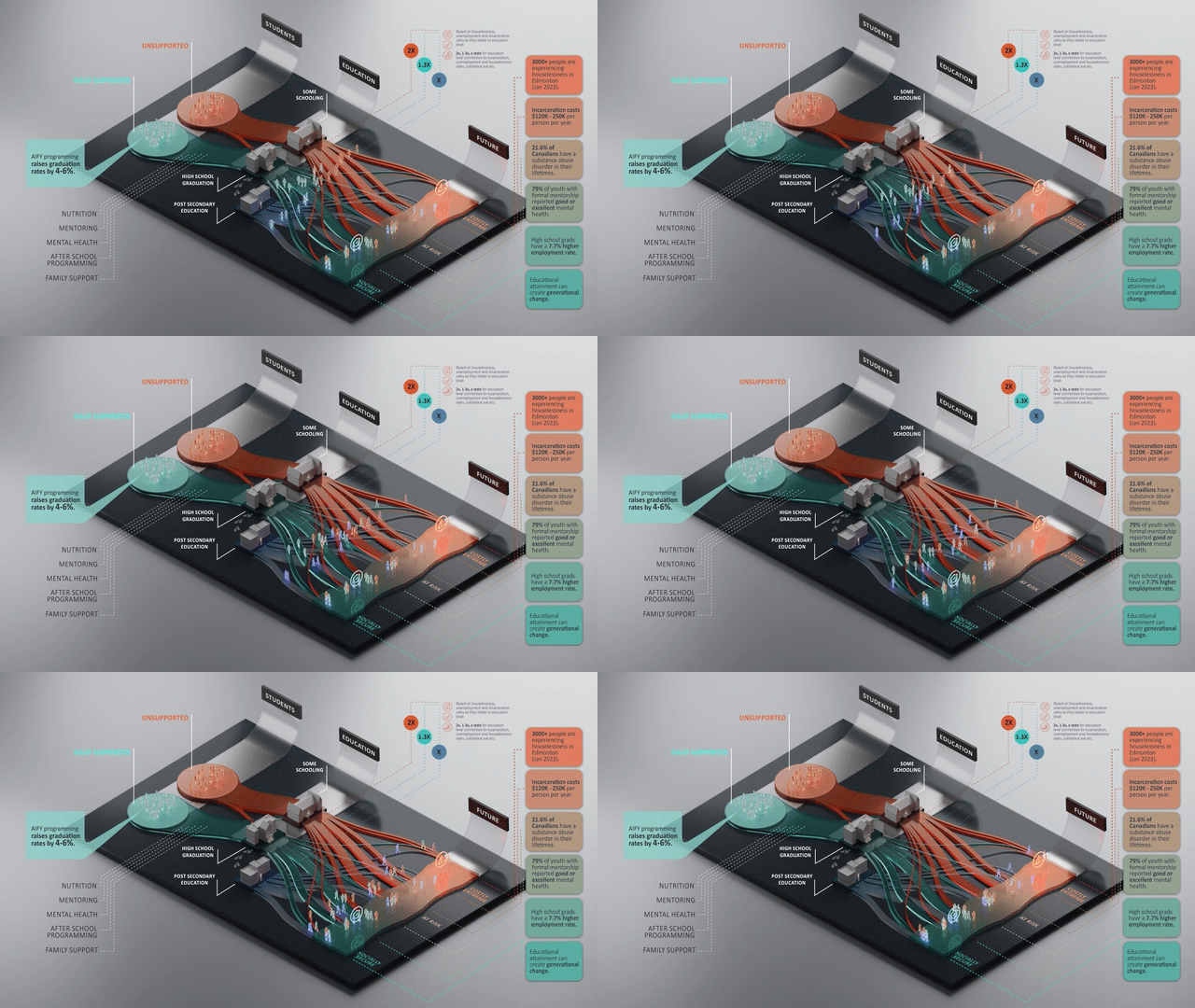
Quantifying Intervention Impacts
Communities have a timely opportunity to boost graduation rates and support at-risk youth through social infrastructure and programs, yet many organizations rely on anecdotal evidence to show impact. Our award-winning work with United Way Alberta Capital Region quantified the future impacts and ROI of their youth interventions.
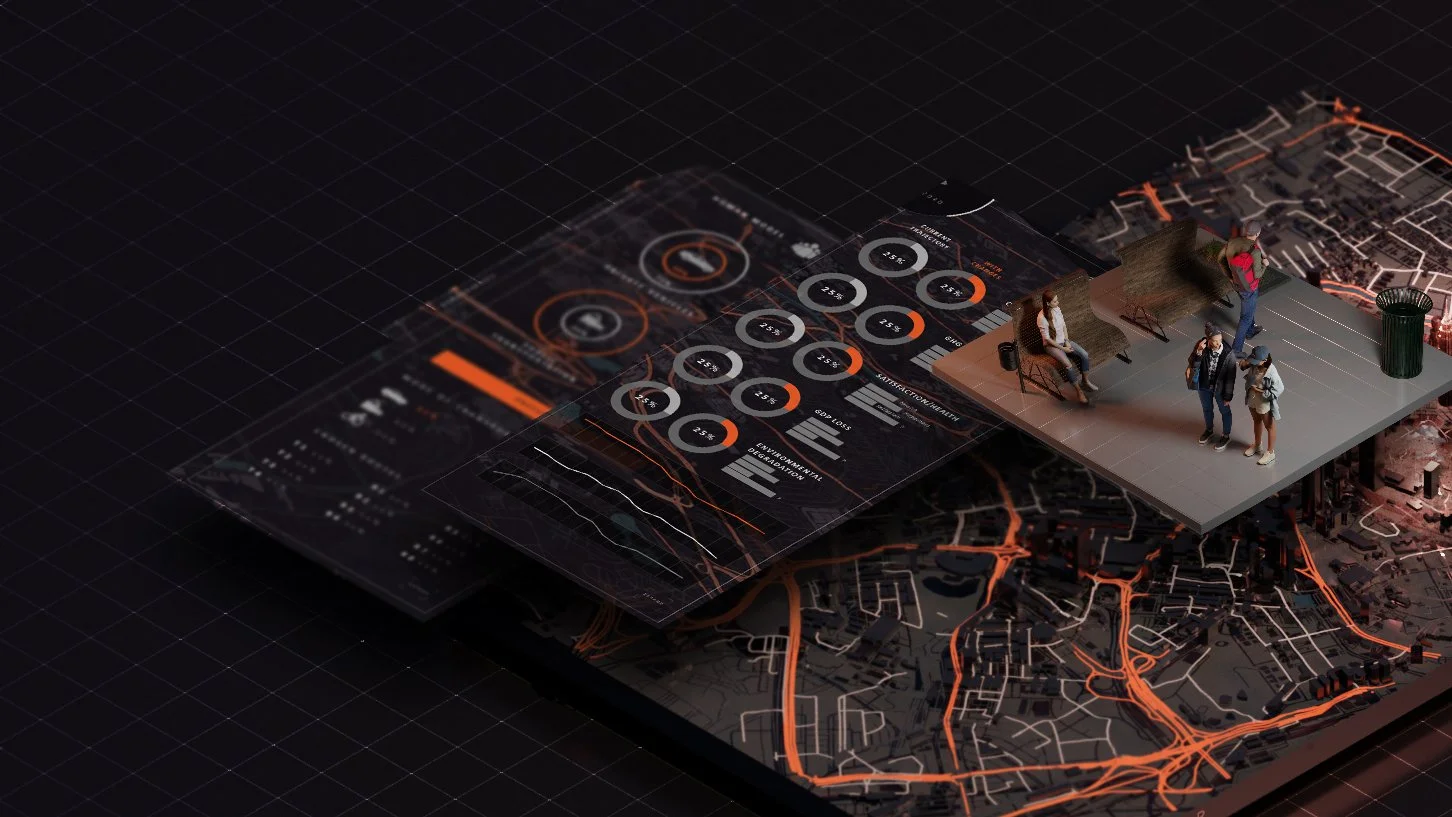
Establishing Social Infrastructure
There are few established tools for planning sustainable, resilient social infrastructure, despite communities increasingly requiring valuable, data-driven insights for long-term service strategies. RWI Synthetics addressed this by creating benchmarks from international best practices and running five future-focused sandbox scenarios for a client community.

High-Fidelity Infrastructure Forecasting
Amid housing crises and rapid population growth, RWI used Synthetic Twin intelligence to forecast, sandbox, and produce a high-fidelity estimate of the full annual infrastructure and service costs for a large municipal development at full build-out.
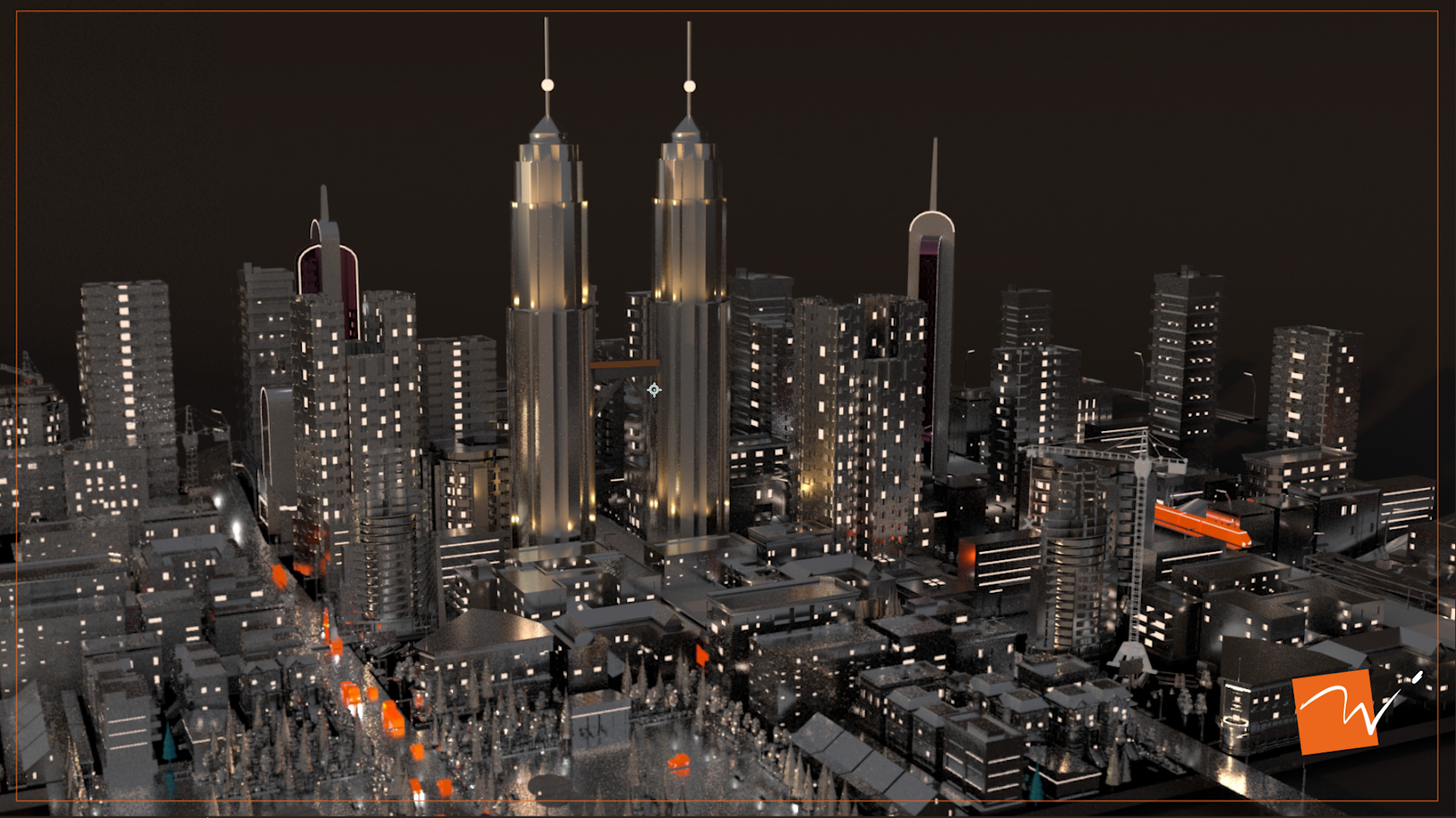
Accessible Mobility in Kuala Lumpur
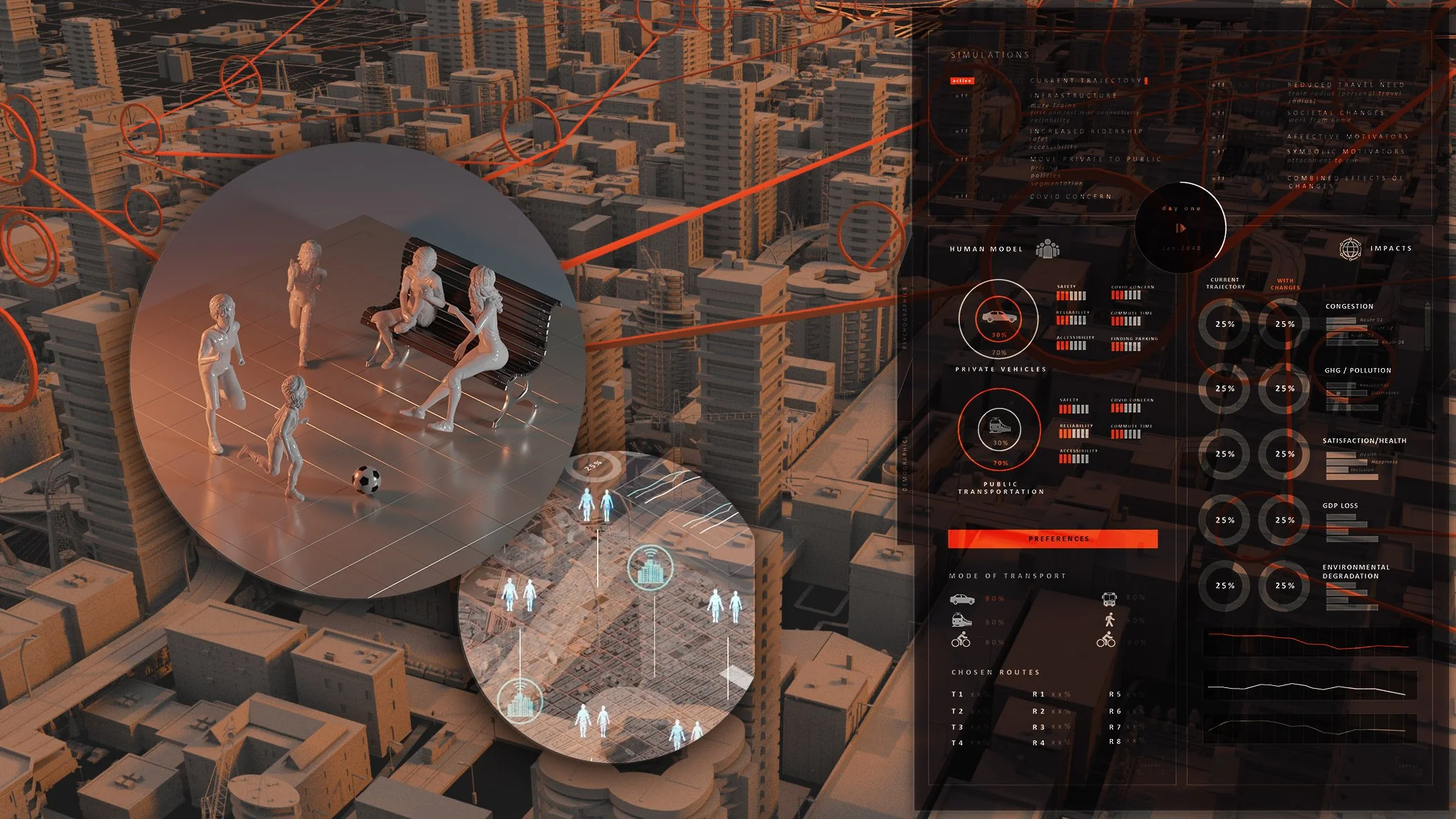
Kuala Lumpur faces escalating pollution and greenhouse gas challenges due to population growth, traffic congestion, and reliance on private vehicles. As a finalist in the Toyota Mobility Foundation’s challenge, RWI’s Synthetic Kuala Lumpur modeled residents’ lives and city infrastructure to explore policies that improve inclusivity and accessibility through 2040.