
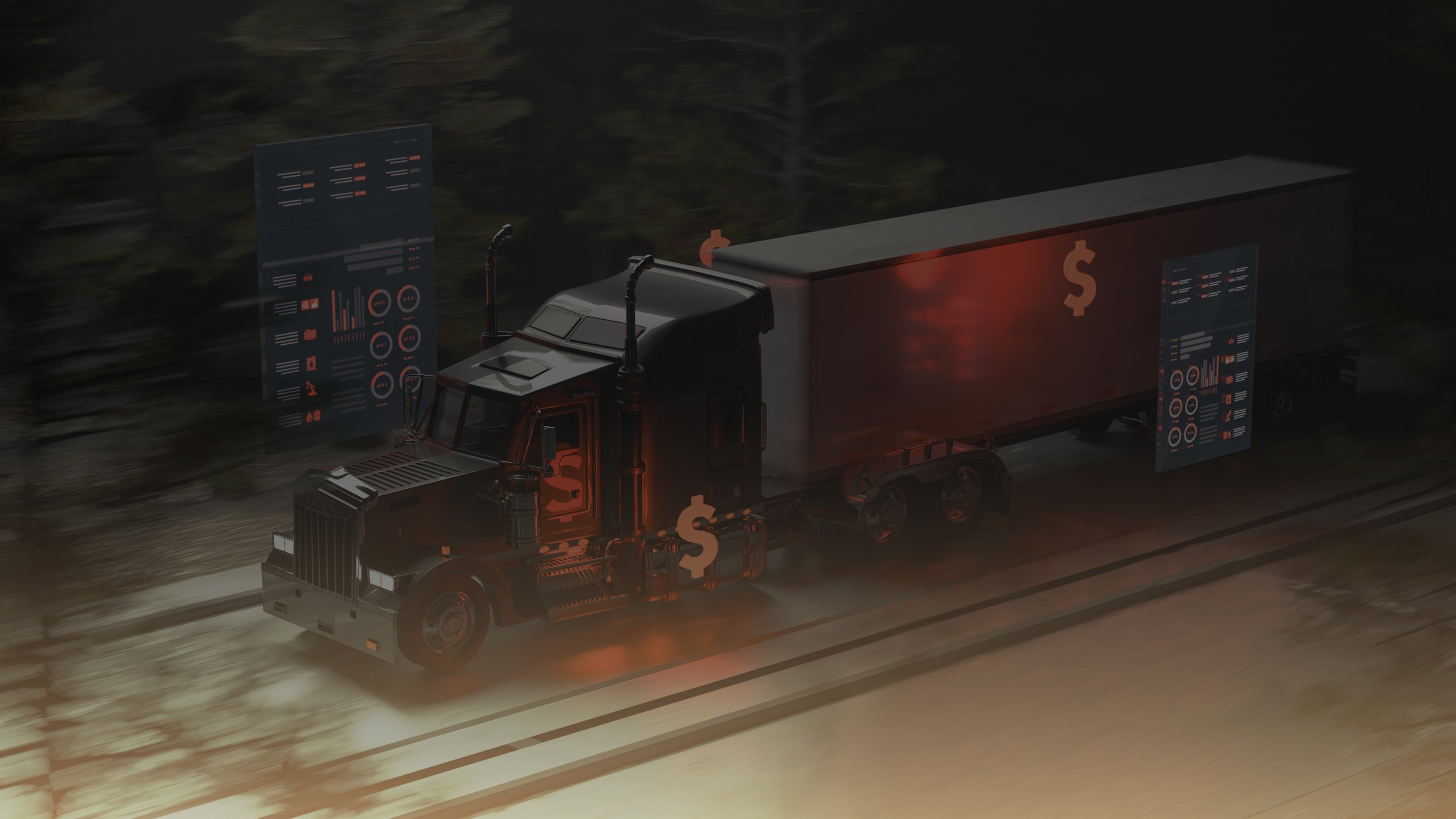
Municipalities and regions face constraints in modernizing transportation systems —balancing mobility, emissions targets, safety, and equity — without reliable means to test policy, infrastructure, or other important changes before deployment.
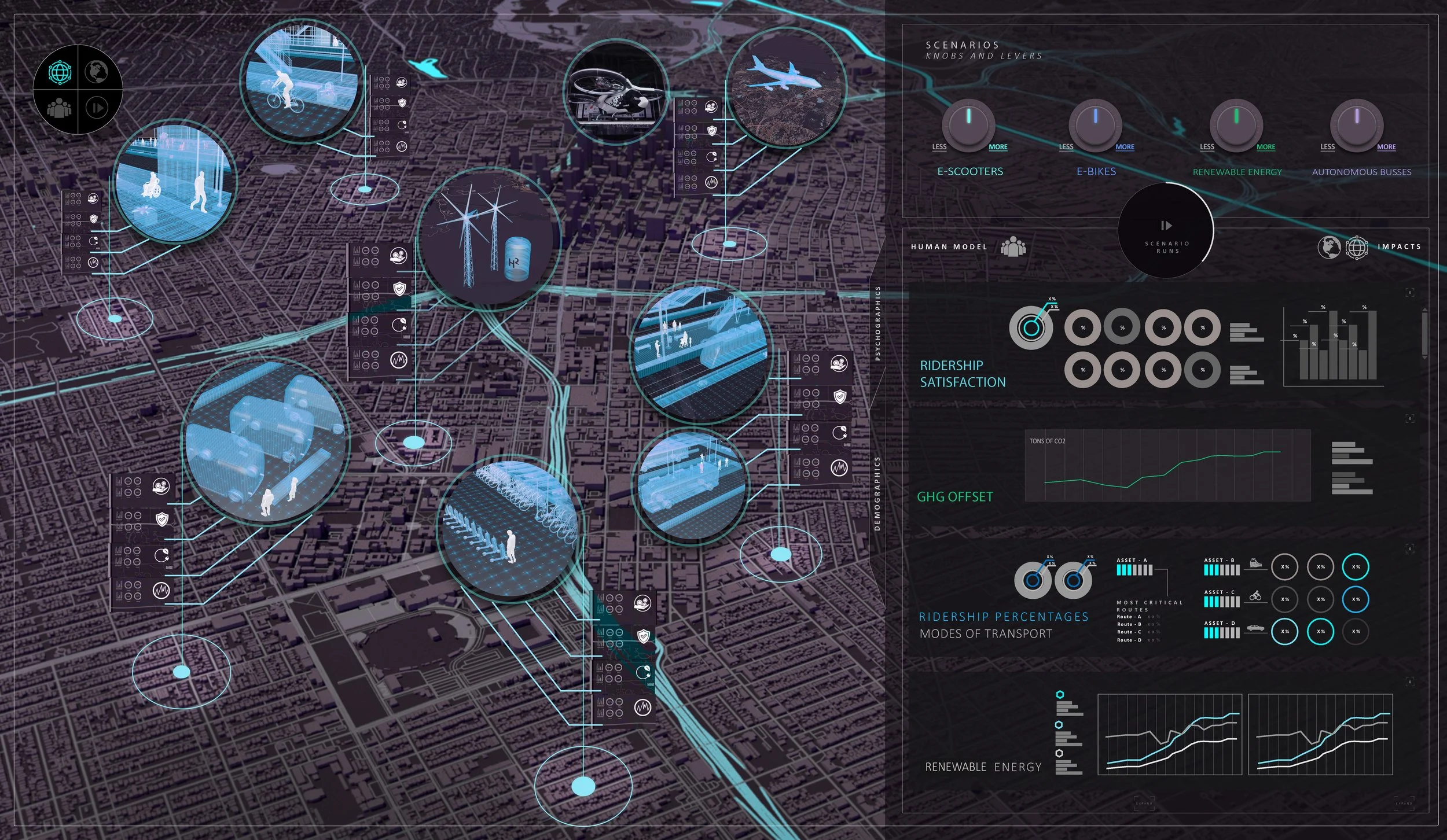

RWI’s Synthetic Twins take the guesswork out of investment and demonstrates the value and outcomes of projects before shovels ever hit the ground.
Synthetic Twins identify the ROI and ROIC of logistic and supply-chain infrastructure development, supporting investment while reducing strategic uncertainty, and pinpointing common barriers.
Whether it’s visualizing how sea ice levels might affect transportation corridors, highway lifespans, or calculating the cost-benefit of investing in rail,
RWI’s Synthetic Twins provide highly detailed visions of how our businesses and communities will better connect in the future.
Connected Intelligence
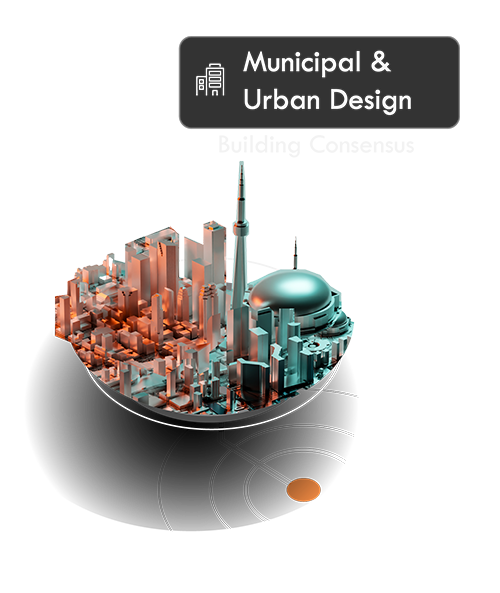
Converged datasets and synthetic sandboxing transform strategic planning for urban growth, eliminating the time, cost, and siloization associated with traditional approaches.
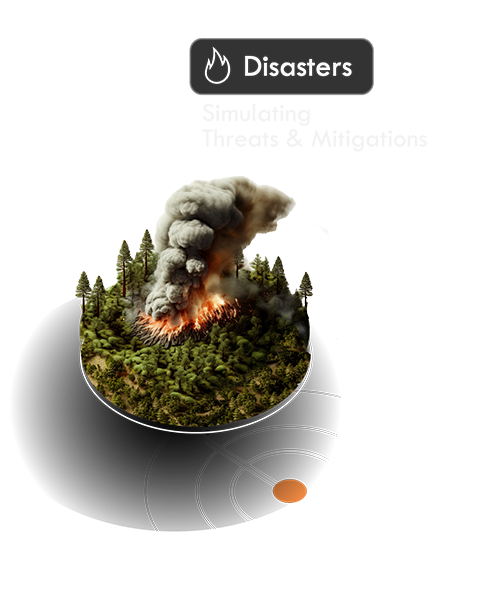
Augmented disaster visualization replaces fragmented data and accelerates planning, cuts on costly drills, and boosts accuracy, coordination, and efficiency across agencies.
Face complex social, investment, and policy challenges in your region with data-backed solutions activated by intelligent, 6D sandboxing.
Active Intelligence
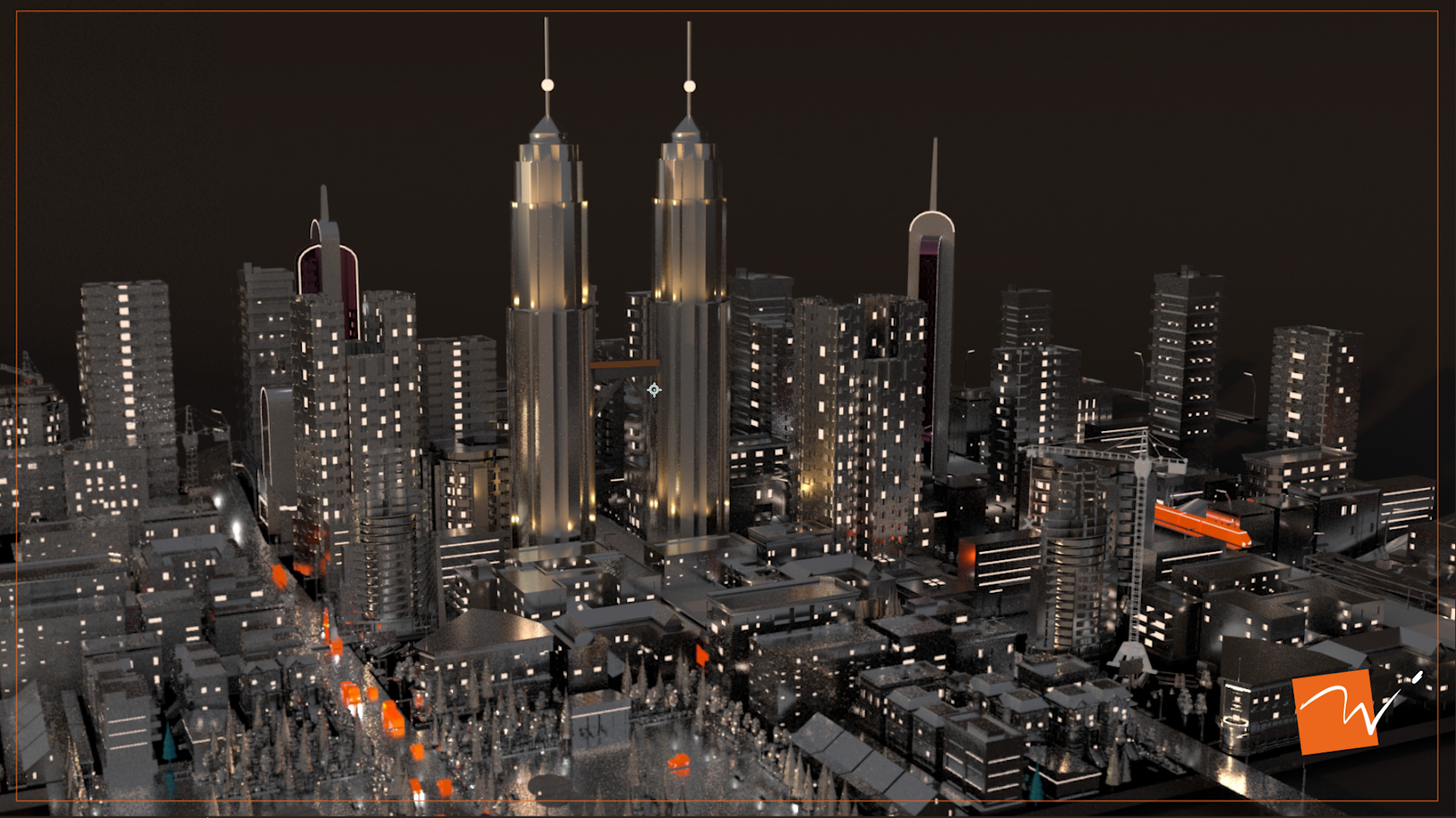
Accessible Mobility in Kuala Lumpur
Kuala Lumpur faces escalating pollution and greenhouse gas challenges due to population growth, traffic congestion, and reliance on private vehicles. As a finalist in the Toyota Mobility Foundation’s challenge, RWI’s Synthetic Kuala Lumpur modeled residents’ lives and city infrastructure to explore policies that improve inclusivity and accessibility through 2040.

Transitioning to Hydrogen in Alberta
We supported the transition to a hydrogen economy by developing a Synthetic Twin set in the hydrogen-powered Alberta of 2030, creating a comprehensive, risk-informed framework to guide standardized provincial training and certification for the hydrogen workforce.
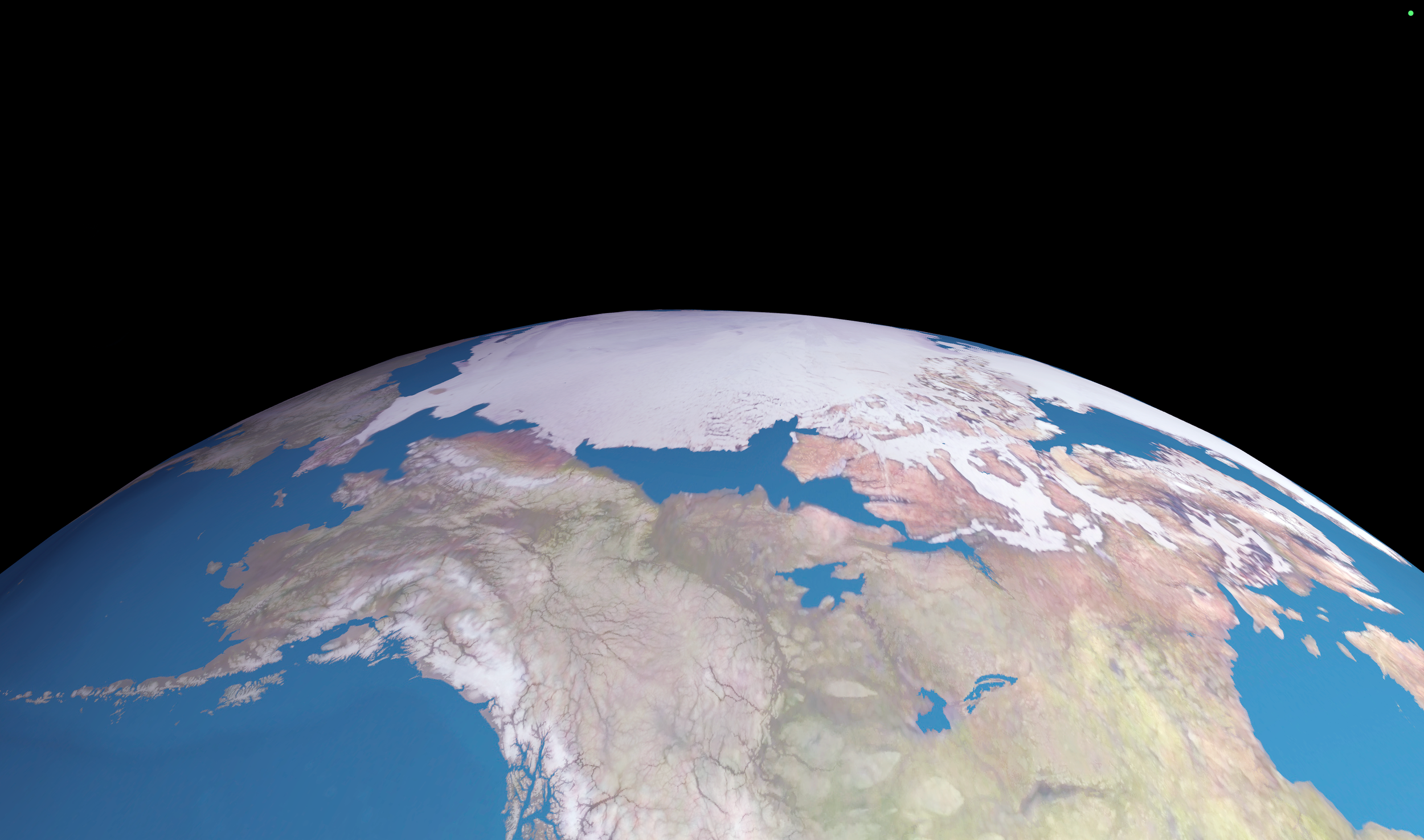
Creating the Synthetic North
Complex problems in the north require hyper-local insights and tailored solutions as Arctic and sub-Arctic investments accelerate. RWI responded by creating Synthetic North, a 1.35 million m² high-fidelity Synthetic Twin with 15 million data points to support strategic decision-making.
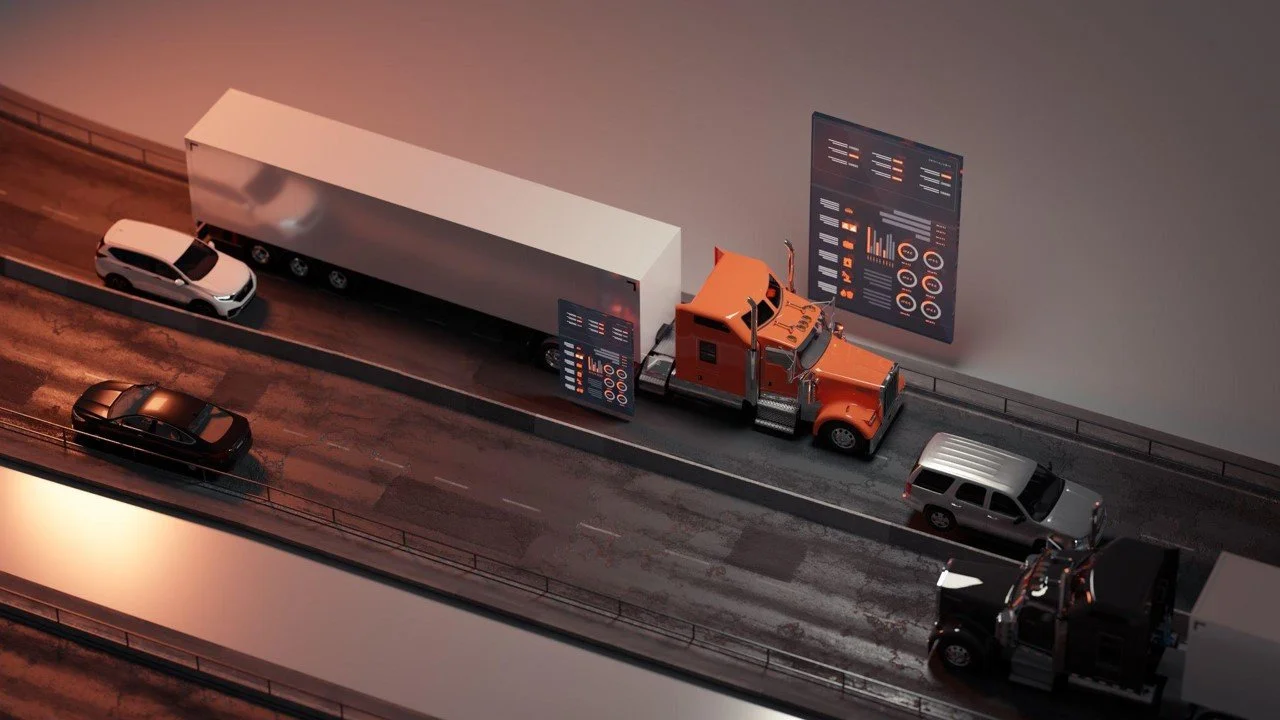
Analyzing Logistics in Edmonton
By analyzing existing infrastructure, costs, cargo, and revenues, RWI used Synthetic Twins to identify growth barriers and simulate future GDP and carbon outcomes, enabling high-fidelity ROI and ROIC estimates for infrastructure, workforce, land, and logistics investments in the Edmonton region.