
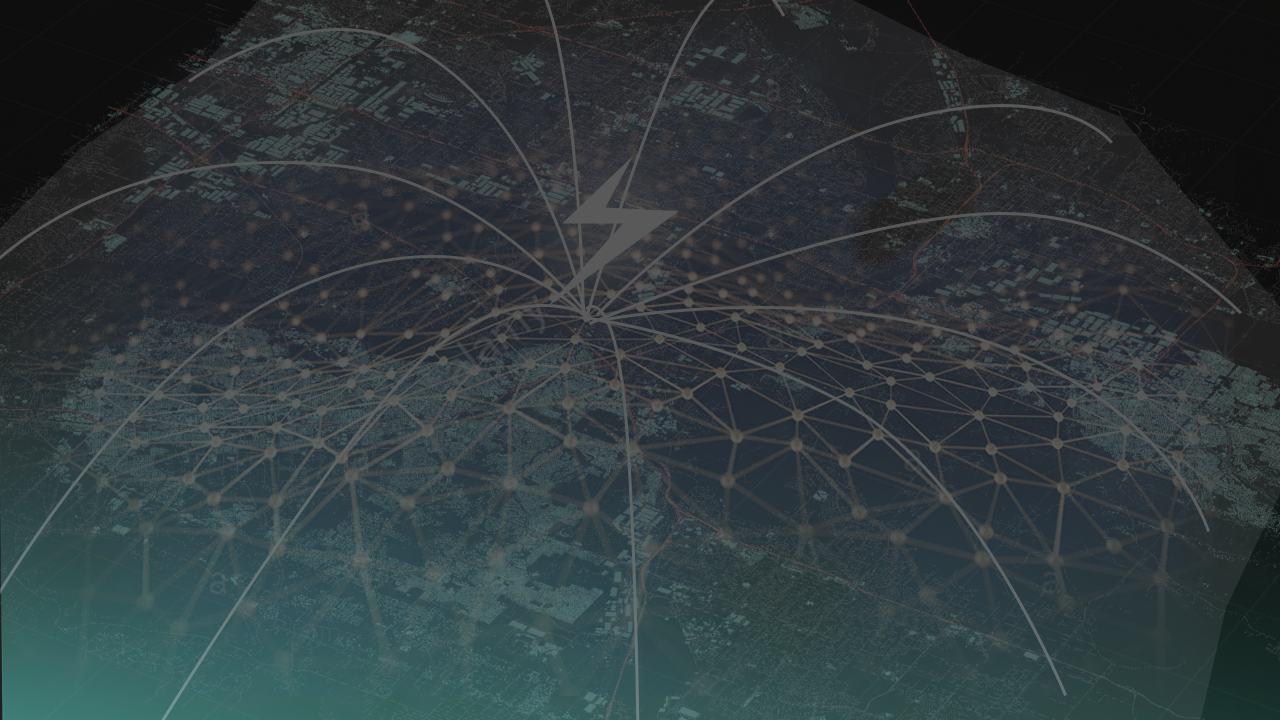
The global energy transition is no longer just about generation. Providers, municipalities, and others are under pressure to plan, test, and scale complex energy systems that balance electrification, grid resilience, renewable integration, and equity.
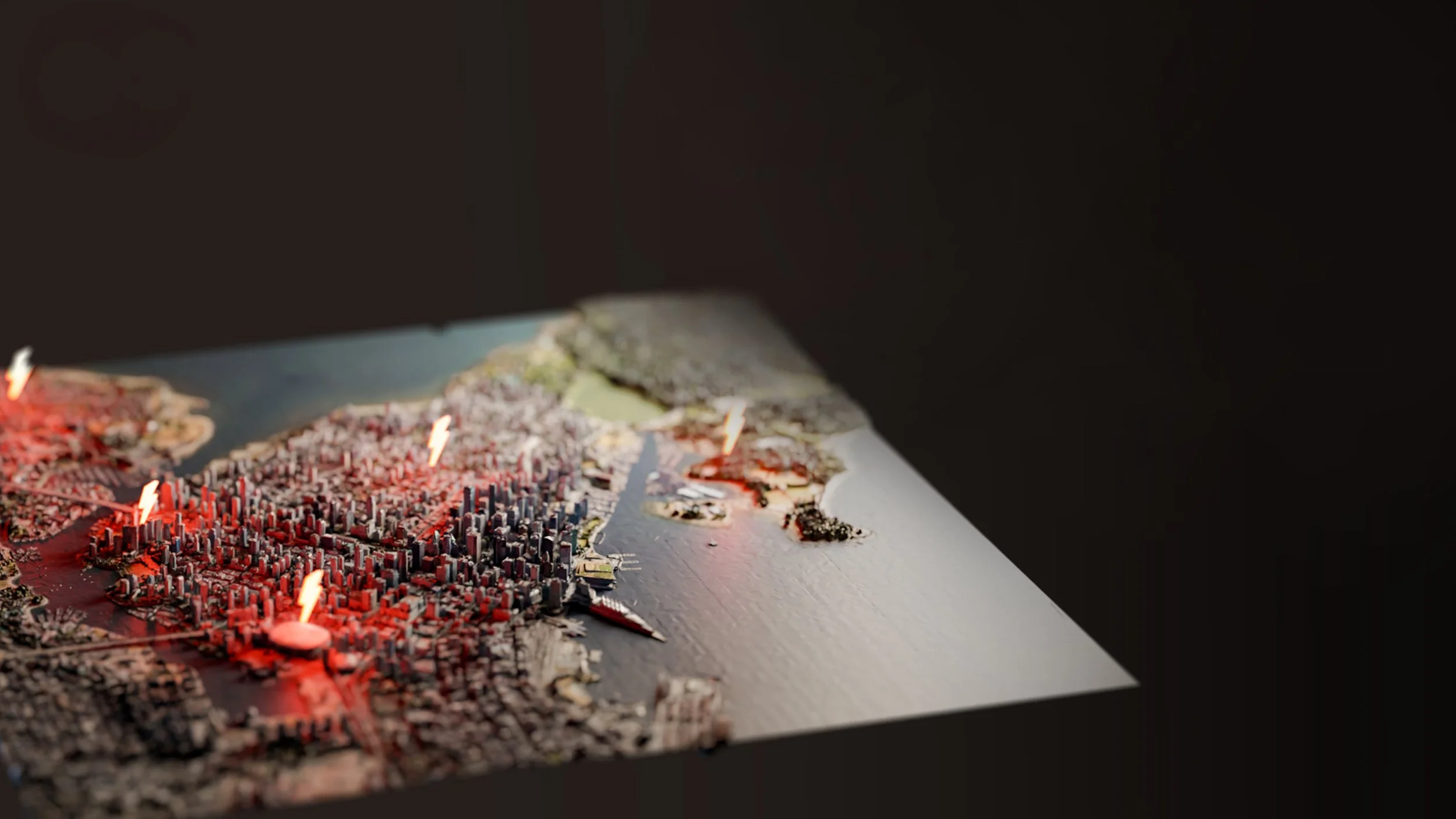
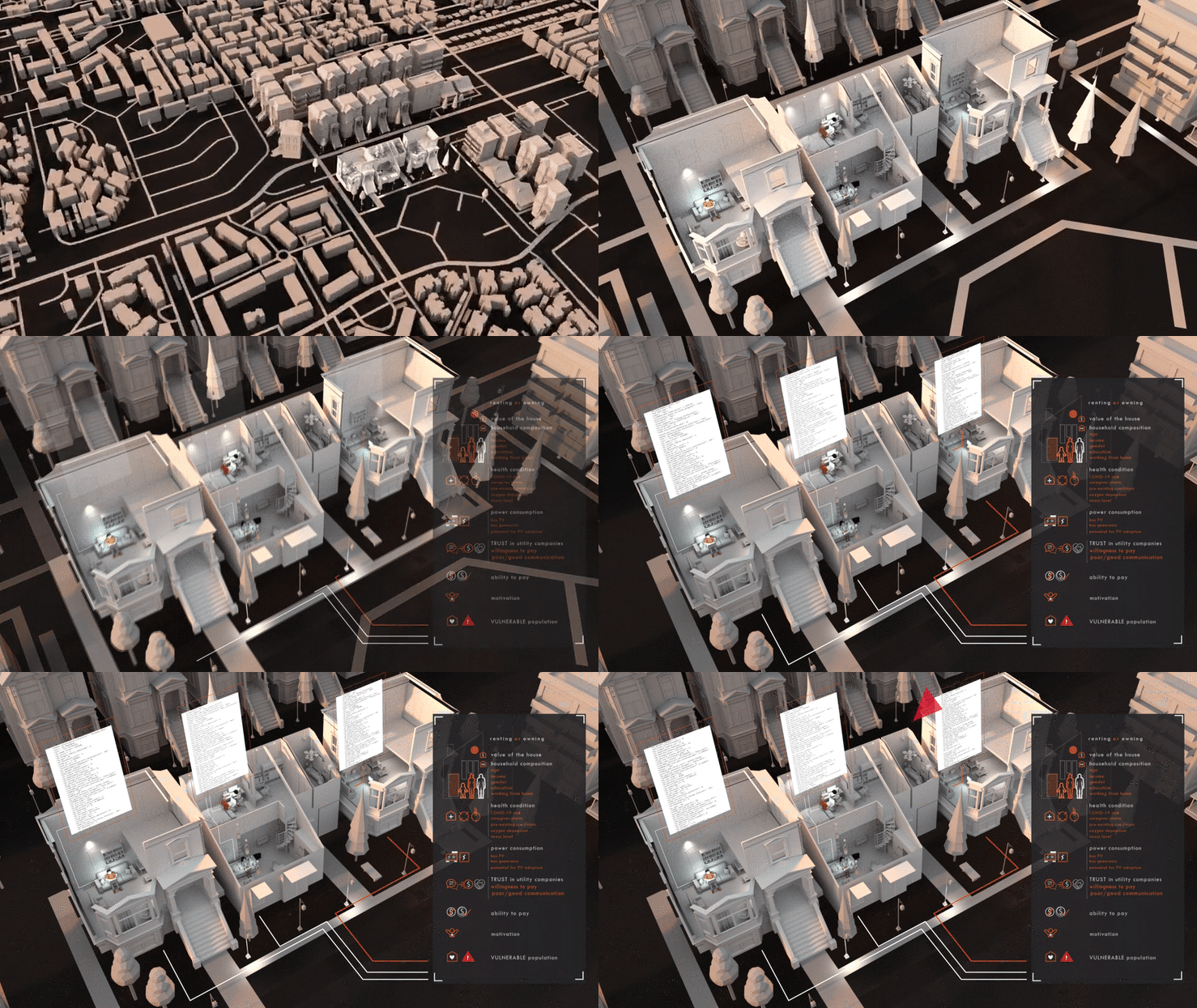
RWI's technology empowers stakeholders to explore what-if scenarios for grid resilience, renewables and DER integration, policy changes, new investments, decarbonization, and more in sophisticated forecasts. For every dollar invested in scenario modelling, clients report up to triple that amount in savings due to reduced project risk and budget excess.
The addition of our Synthetic Populations means that people and their relationship with energy are always included in the final calculations.
Forecasting tomorrow's energy needs ensures that providers make efficient, resilient, and future-proof decisions today.
Connected Intelligence
Ensuring security and resiliency investments in critical services and utilities are quantified, comprehensive and prepared for the unprecedented.
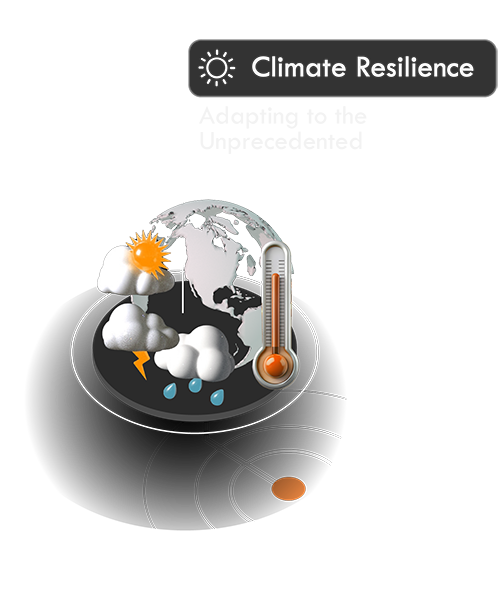
Preparing for the imaginable and unimaginable in 6D sandboxes to ensure no one gets left behind.
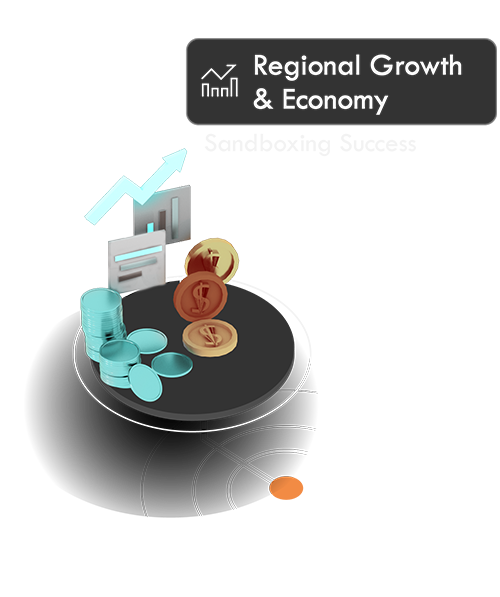
Face complex social, investment, and policy challenges in your region with data-backed solutions activated by intelligent, 6D sandboxing.
Active Intelligence
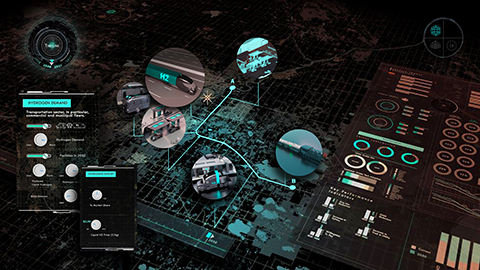
Transitioning to Hydrogen in Alberta
We supported the transition to a hydrogen economy by developing a Synthetic Twin set in the hydrogen-powered Alberta of 2030, creating a comprehensive, risk-informed framework to guide standardized provincial training and certification for the hydrogen workforce.
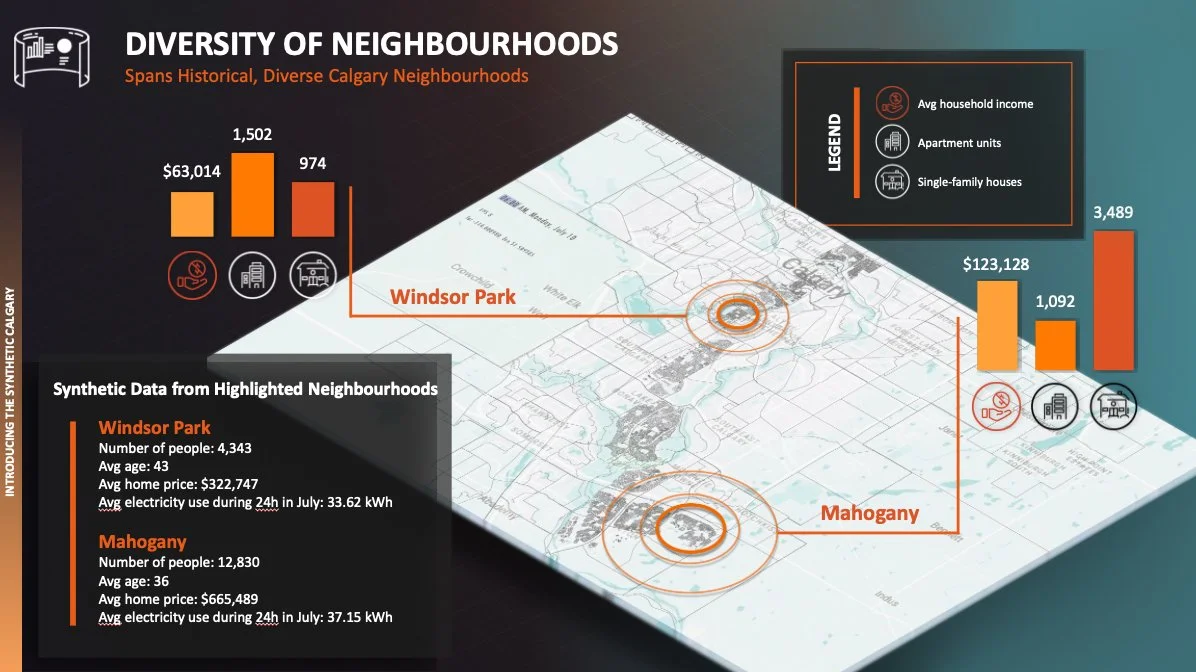
Forecasting Electrification in Calgary
New grid load dynamics challenge traditional forecasting, prompting utilities like ENMAX Power to rethink existing processes. We addressed this by creating a 6D Synthetic Twin of Calgary that forecasts 2050 electrification demand with inflectable scenarios.

Modelling Energy Security
RWI is testing a web-based 6D shared interface that lets users interactively model energy security and resilience by adjusting variables across climate and human impacts.
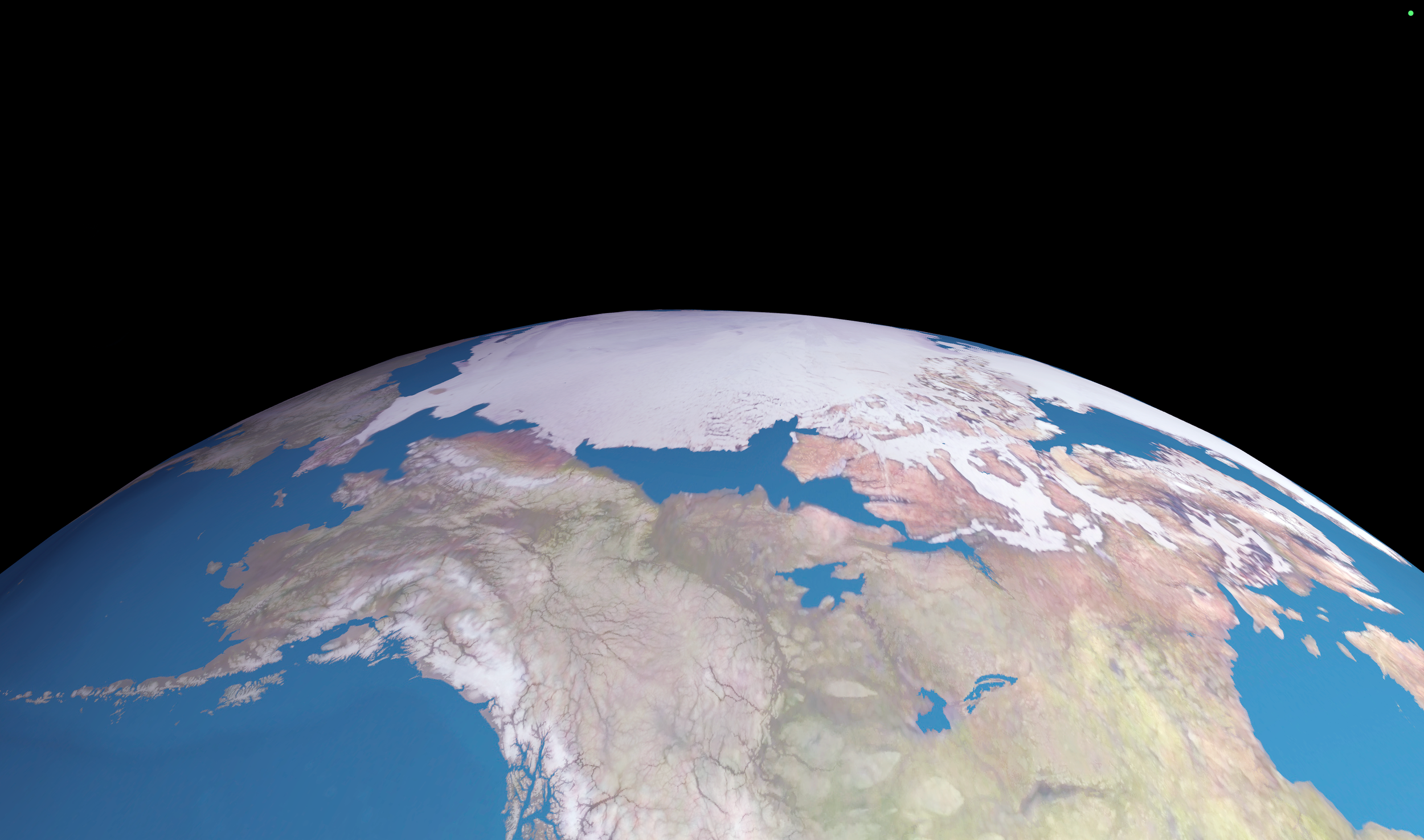
Creating the Synthetic North
Complex problems in the north require hyper-local insights and tailored solutions as Arctic and sub-Arctic investments accelerate. RWI responded by creating Synthetic North, a 1.35 million m² high-fidelity Synthetic Twin with 15 million data points to support strategic decision-making.
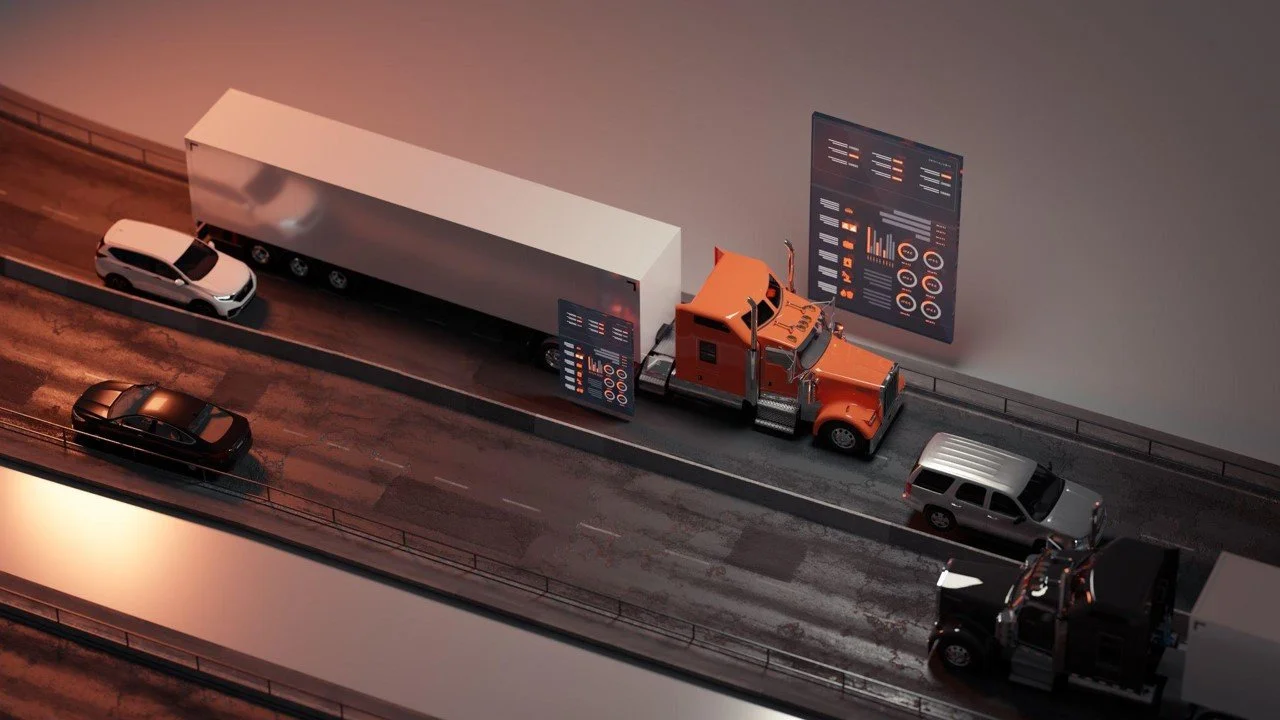
Analyzing Logistics in Edmonton
By analyzing existing infrastructure, costs, cargo, and revenues, RWI used Synthetic Twins to identify growth barriers and simulate future GDP and carbon outcomes, enabling high-fidelity ROI and ROIC estimates for infrastructure, workforce, land, and logistics investments in the Edmonton region.
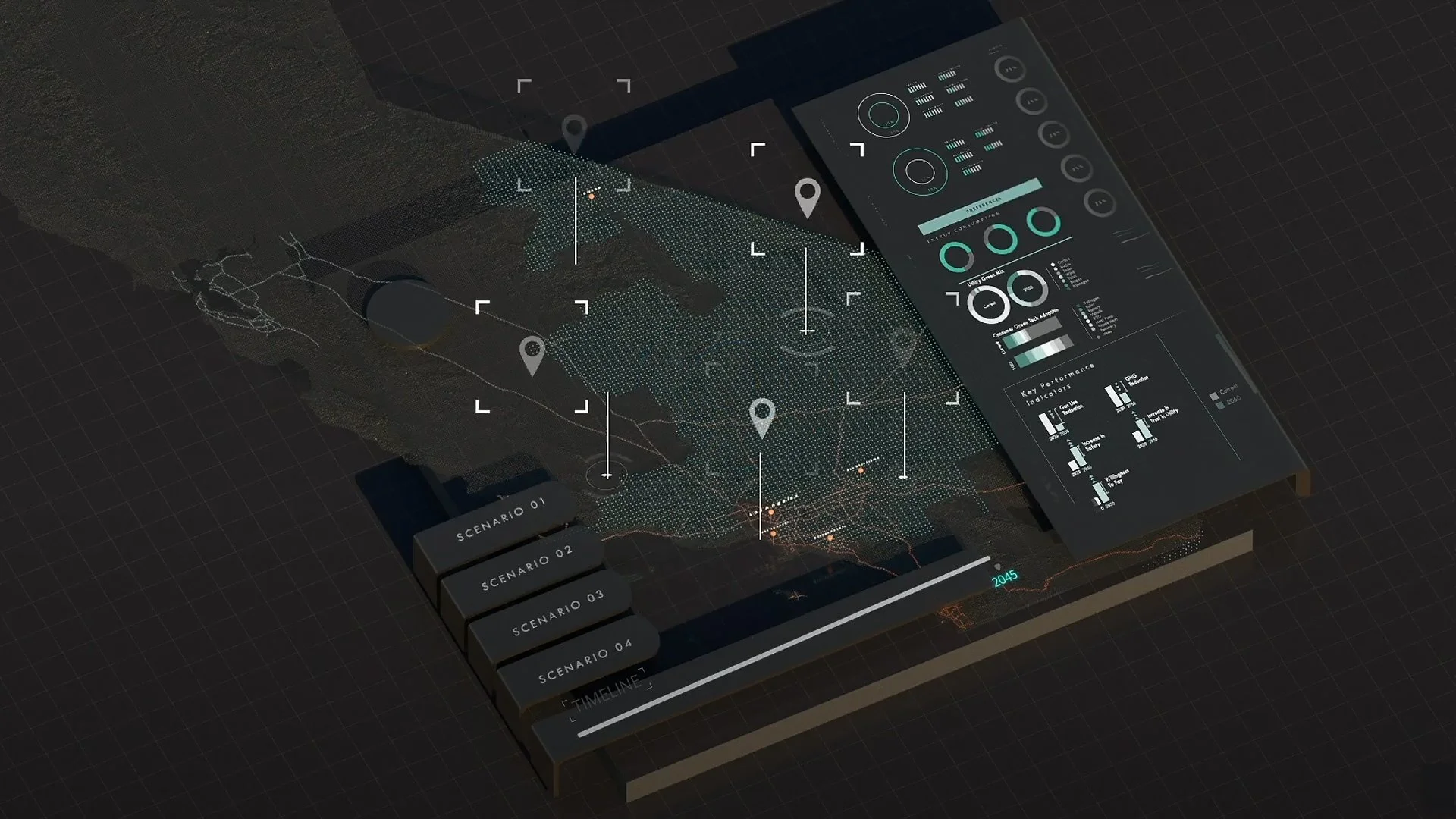
Measuring Water Efficiency in California
Water efficiency is critical for thriving cities, supporting populations and industries while mitigating climate change and drought impacts, especially in regions like Southern California. We modeled residential water use by rethinking how usage behaviors are measured and integrating age, demographics, population, and time-of-day data.
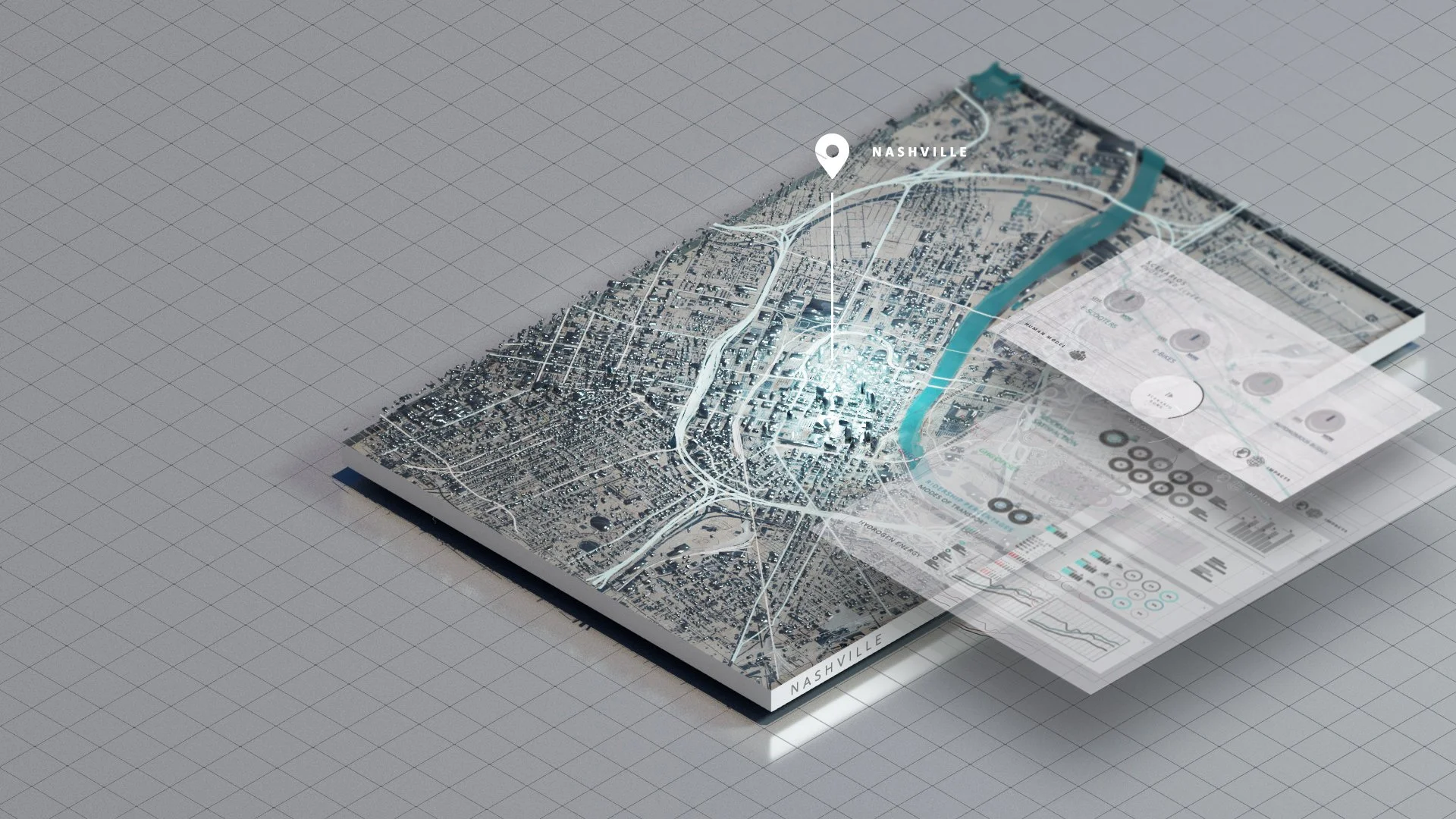
Simulating Extreme Cold in Nashville
In a pilot with the Tennessee Valley Authority, we simulated an extreme cold snap and power outage in Nashville to show grid impacts and community vulnerabilities, particularly in lower-income neighborhoods.

Assessing Solar Risks from Space
Space-weather events from increased solar activity can unexpectedly disrupt the electrical grid, requiring cross-disciplinary approaches to assess risks to people and infrastructure. RWI launched its HoloDeck in 2022 to simulate space-weather impacts on a synthetic grid of the entire U.S. Northeast during a collaborative weather-to-power grid exercise with CHESS and the National Science Foundation.
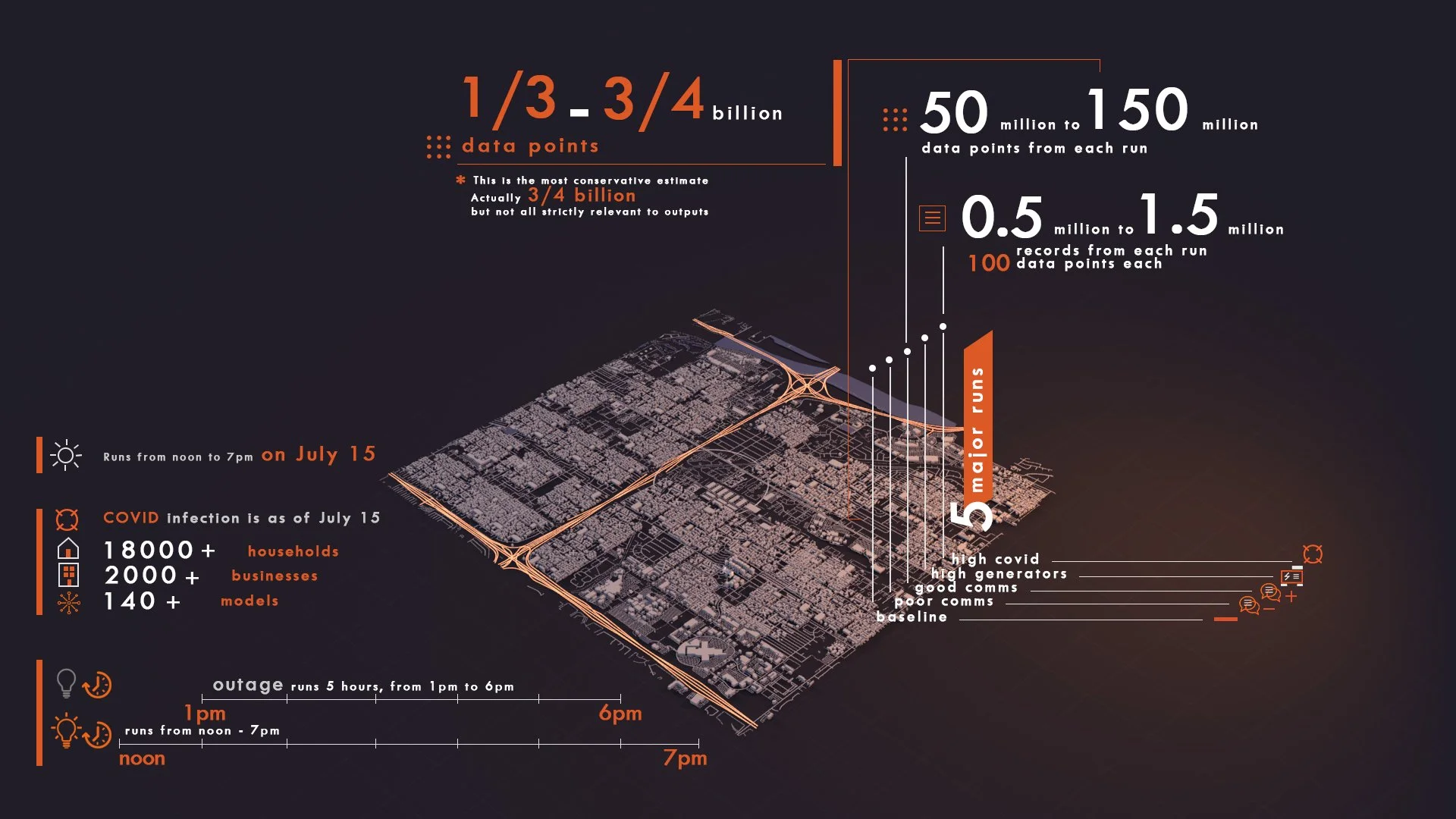
COVID Modelling
Cascading disasters combining medical events and infrastructure failures are difficult to plan for due to limited historical data and the complex interplay among risks and the health and well-being of vulnerable populations. Selected by EPRI’s Incubatenergy® Labs Challenge, RWI created a Synthetic Twin to model and assess resilience during a COVID-19 outbreak coupled with a grid outage.
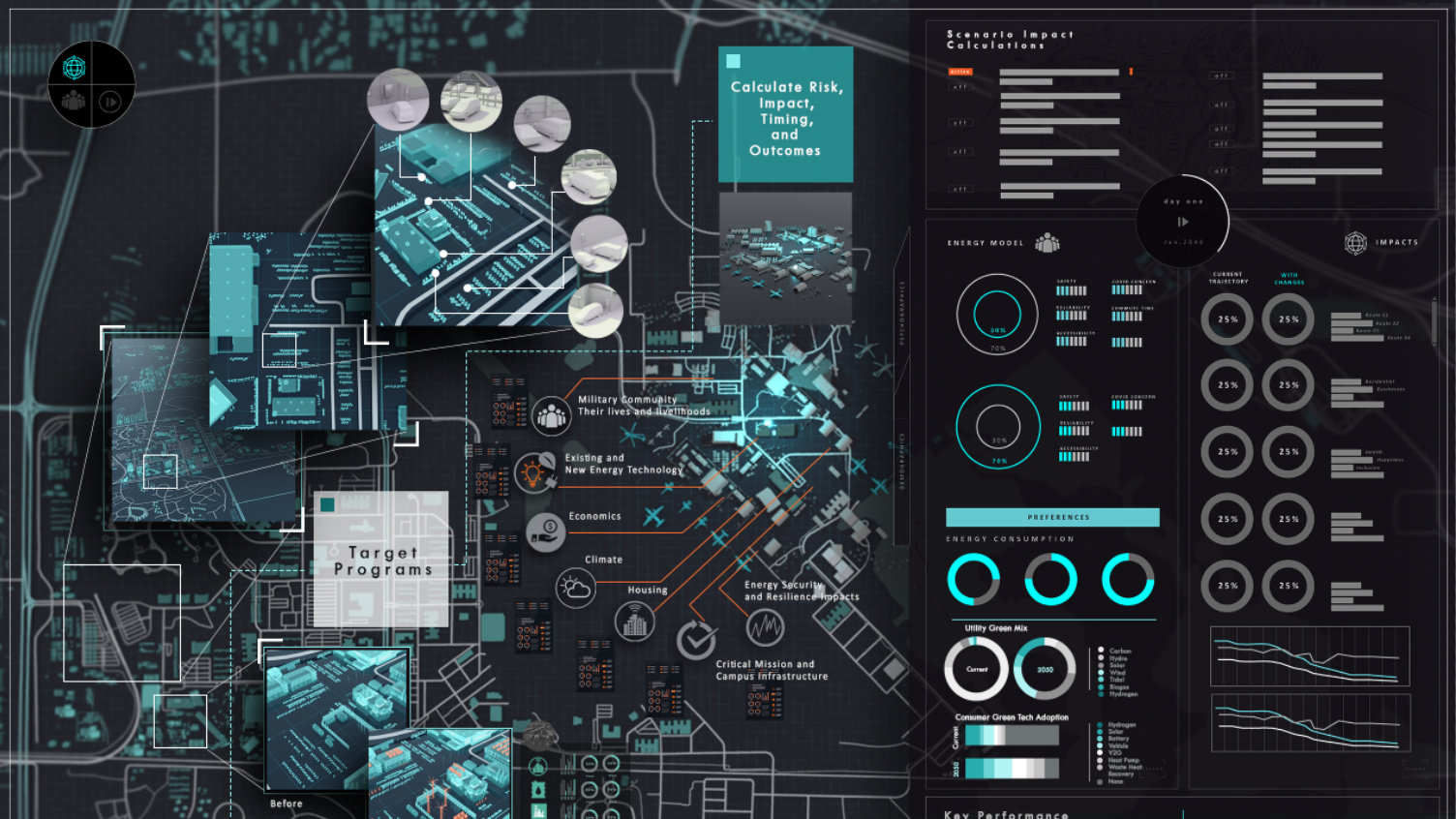
Empowering the DOD’s Energy Transition
RWI and the Electric Power Research Institute partnered in the AFWERX Showcase to create a virtual twin sandbox for USAF Bases, enabling hyper-localized, data-driven decision-making to support the DOD’s energy transition, mission readiness, and resilience.