
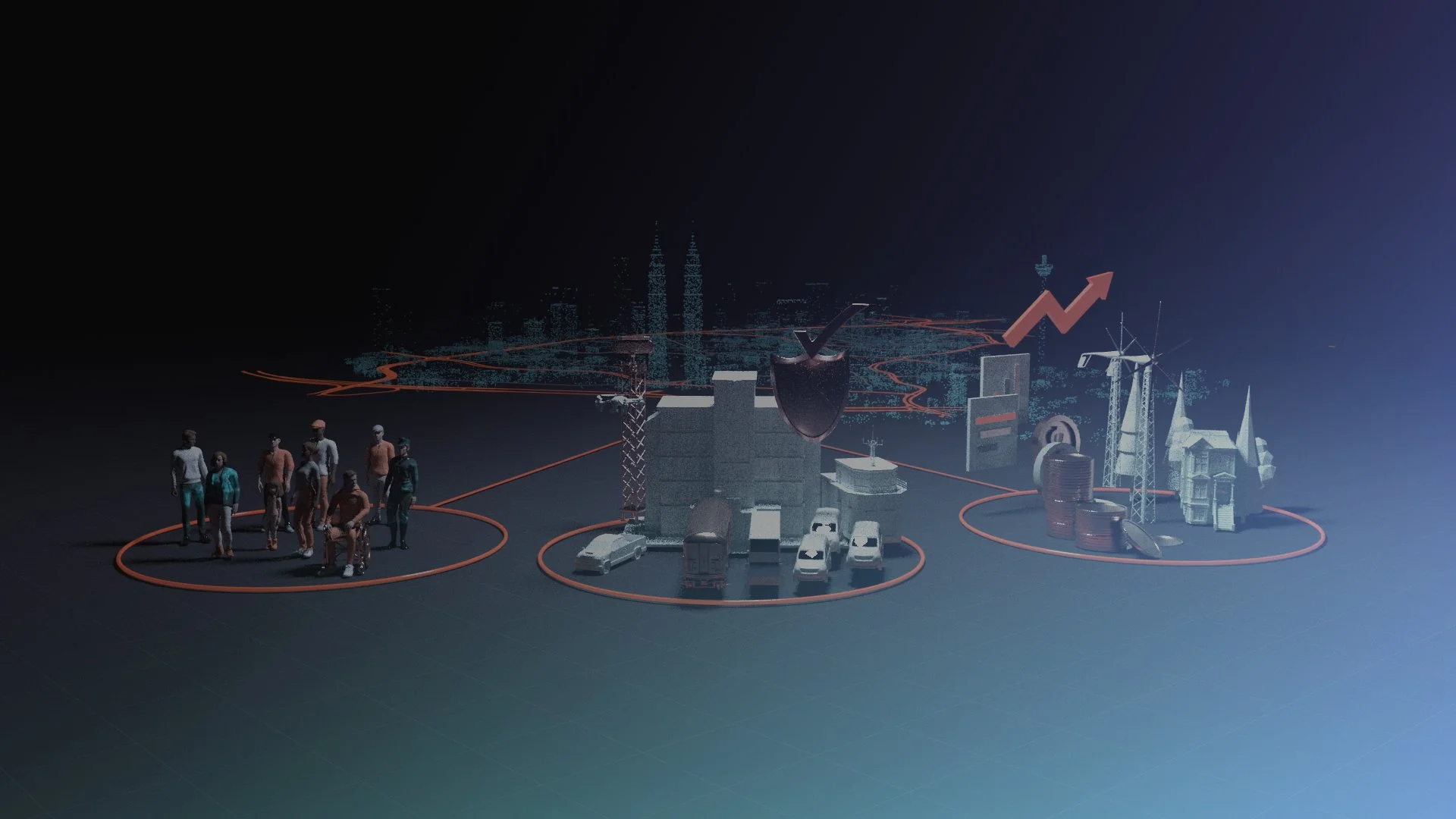
The future is novel, and we need new toolsets to explore this reality and to support data-driven decisions that improve outcomes in our communities.
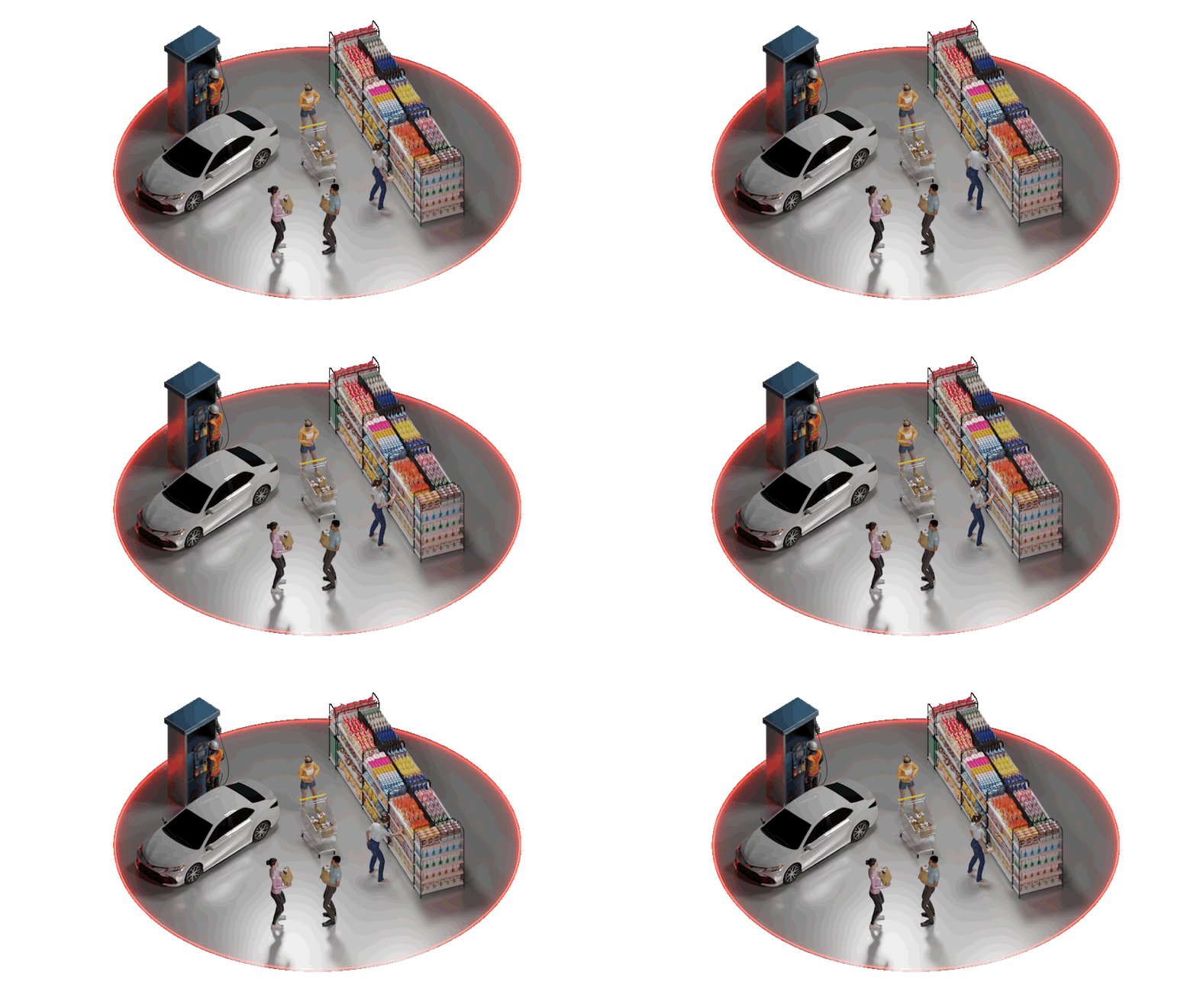
Our models generate invisible data to advance decision support that previously did not exist, eliminating the need for costly, time-consuming pilot programs.
Our Synthetic Populations bridge data, behavior, and policy foresight, revolutionizing how we model human behaviour, enabling us to poll and survey with drastically higher response rates compared to traditional data sourcing, ensuring faster policy iteration cycles, reduced political and financial risk by validating policies before rollout, enhanced transparency and public engagement.
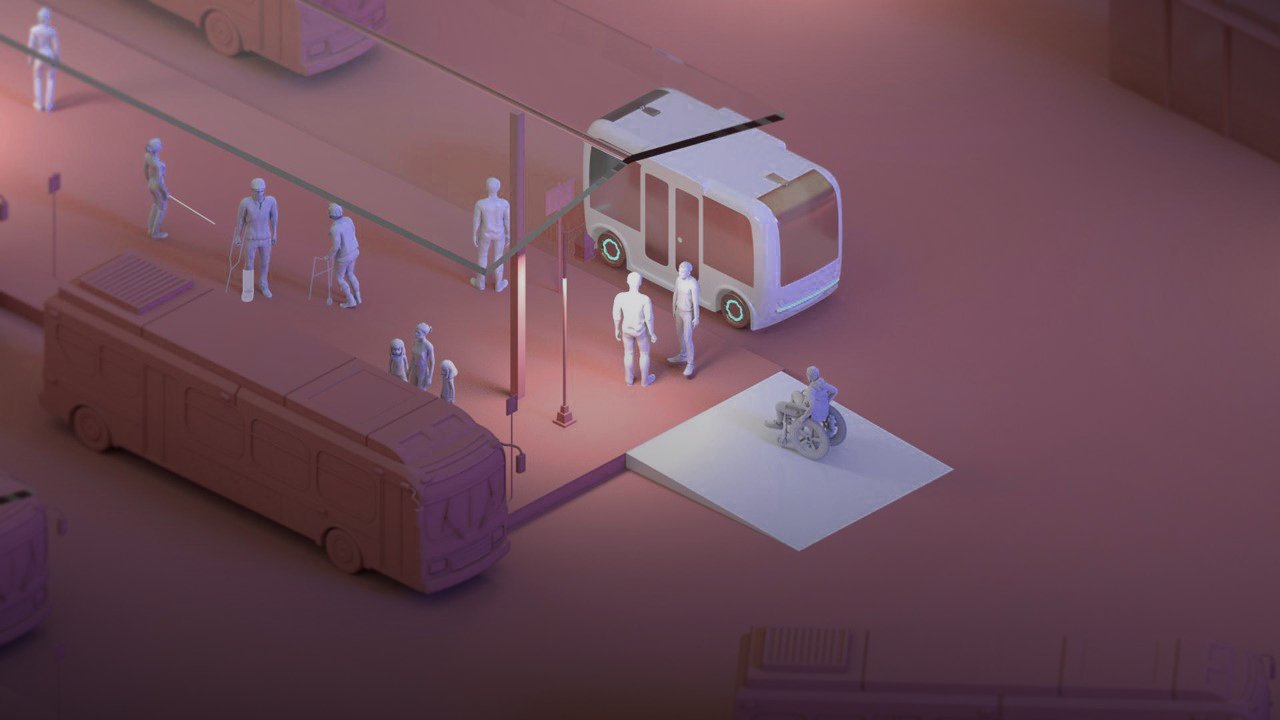
RWI’s toolsets will advance decision-making and consensus-building in your municipality, facilitating faster timelines, de-risked choices, and efficient processes all through built-to-purpose, bias-free, and equitable Synthetic Twins.
Connected Intelligence
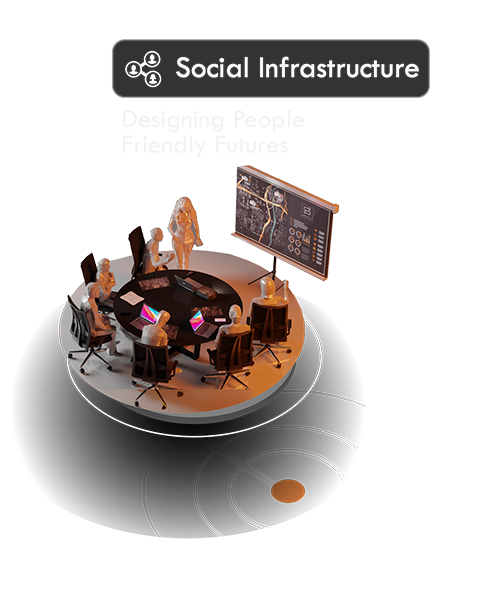
We revolutionize social planning, calculating all of the impacts and informing accelerated and de-risked policy adoption.
Face complex social, investment, and policy challenges in your region with data-backed solutions activated by intelligent, 6D sandboxing.
Converged datasets and synthetic sandboxing transform strategic planning for urban growth, eliminating the time, cost, and siloization associated with traditional approaches.
Empowering sovereignty for Indigenous Rights Holders and Peoples with augmented intelligence and representative insights.
Active Intelligence
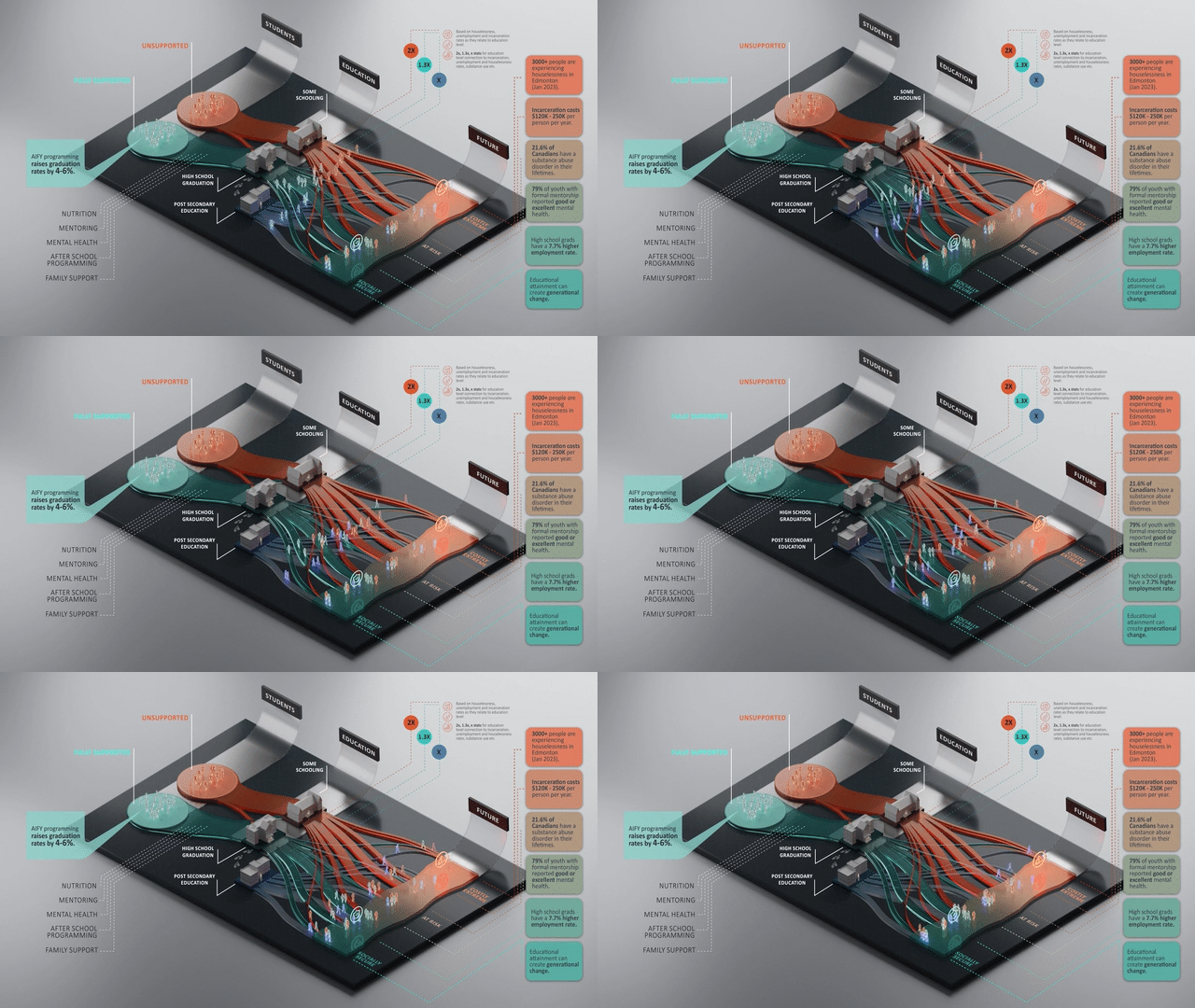
Quantifying Intervention Impacts
Communities have a timely opportunity to boost graduation rates and support at-risk youth through social infrastructure and programs, yet many organizations rely on anecdotal evidence to show impact. Our award-winning work with United Way Alberta Capital Region quantified the future impacts and ROI of their youth interventions.
Establishing Social Infrastructure
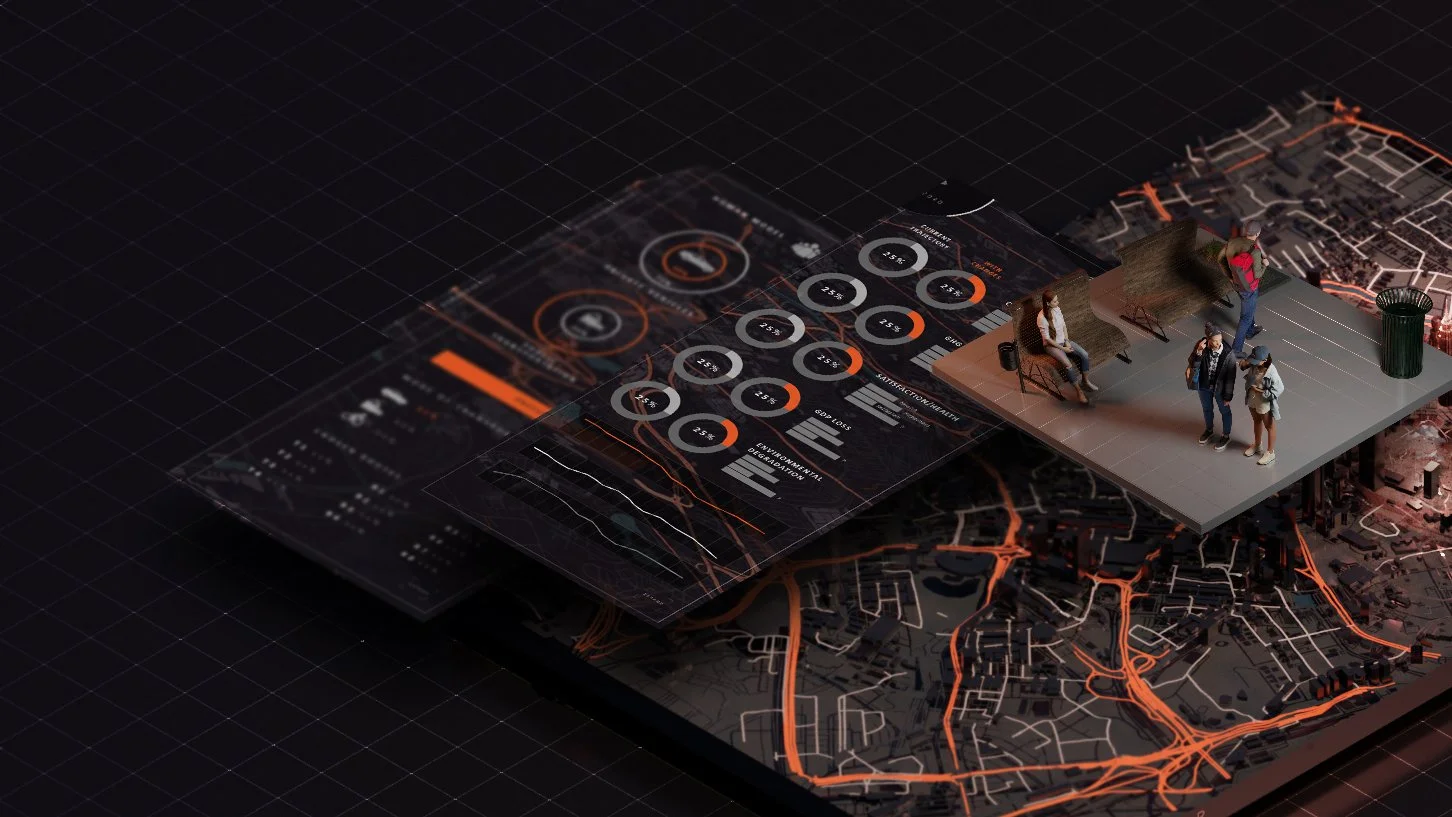
There are few established tools for planning sustainable, resilient social infrastructure, despite communities increasingly requiring valuable, data-driven insights for long-term service strategies. RWI Synthetics addressed this by creating benchmarks from international best practices and running five future-focused sandbox scenarios for a client community.
COVID Modelling
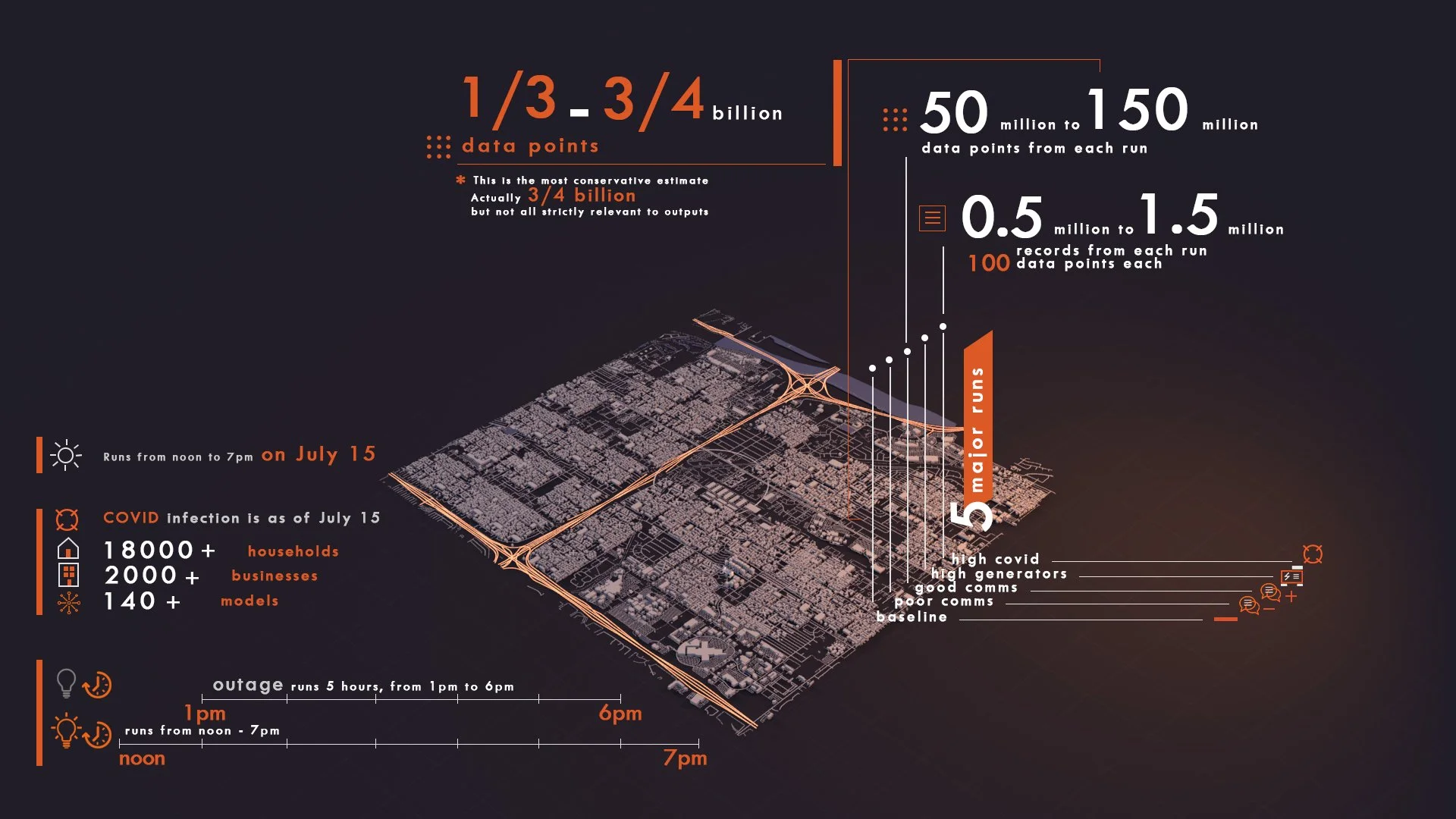
Cascading disasters combining medical events and infrastructure failures are difficult to plan for due to limited historical data and the complex interplay among risks and the health and well-being of vulnerable populations. Selected by EPRI’s Incubatenergy® Labs Challenge, RWI created a Synthetic Twin to model and assess resilience during a COVID-19 outbreak coupled with a grid outage.