
Regional governments and development organizations face challenges in balancing growth, investment, sustainability, and equity.
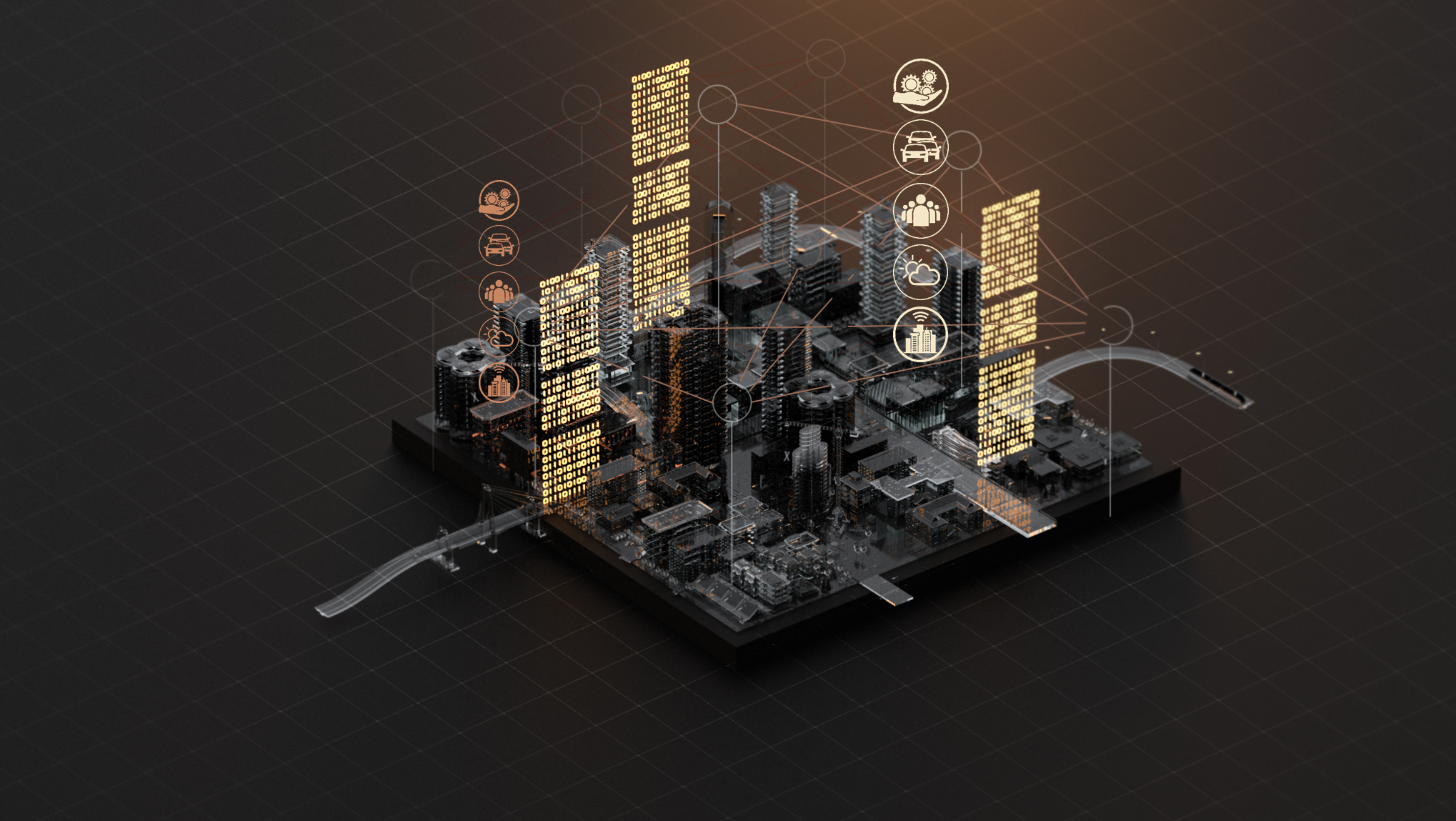
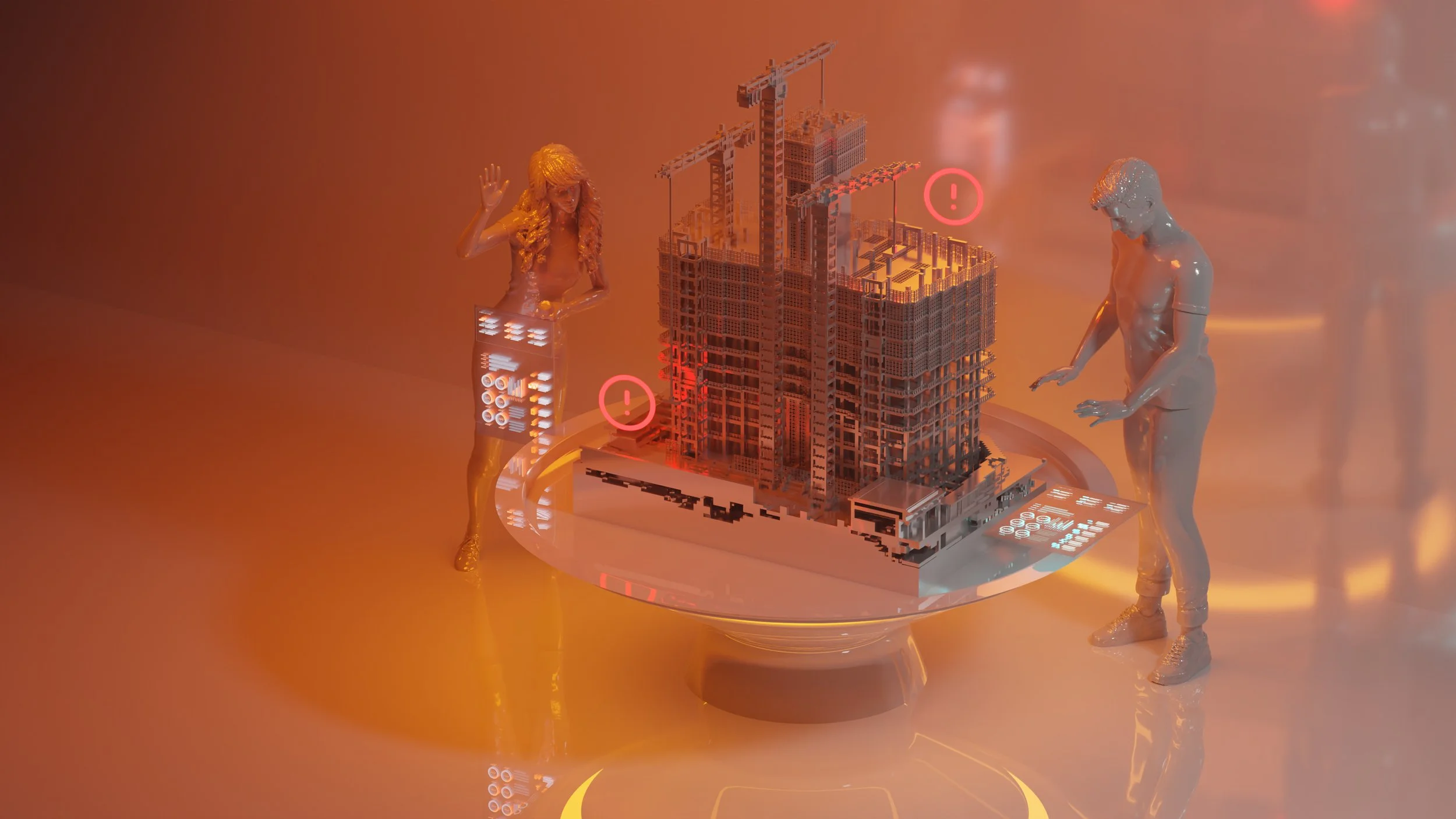
Knowing where opportunities in your region lie now and in the future is an invaluable resource for planning for regional growth and economic development. RWI provides the unprecedented ability to forecast and visualize policy, investment, technology, and environmental impacts, giving decision-makers the reins over a sandboxable, virtual version of their region.
RWI unlocks the realism you need for certainty through data-driven, dynamic, sandboxed scenarios. Economic developers use our Synthetic Twins to evaluate impacts before shovels hit the ground, resulting in financial savings, faster decision-making, improved productivity, and enhanced investor and public confidence.
We all have a better, more prosperous vision for our regions.
RWI has the tested and proven tools to bring tomorrow’s prosperity to the businesses and citizens in your neighborhood, today.
Connected Intelligence
Ensuring security and resiliency investments in critical services and utilities are quantified, comprehensive and prepared for the unprecedented.
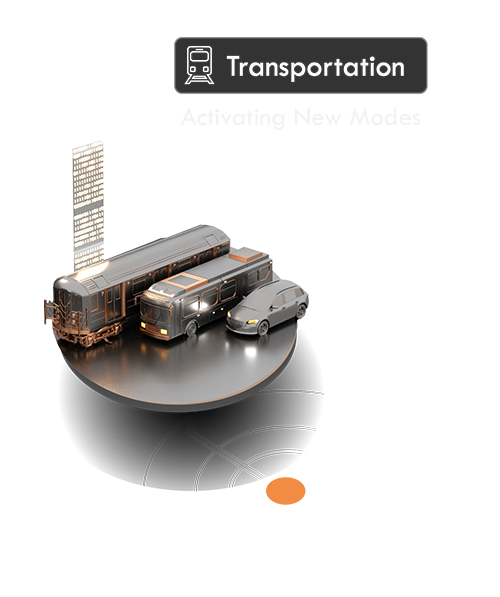
Synthetic Twins facilitate moving people more places, more sustainably, enjoyably, economically, accessibly, and equitably.
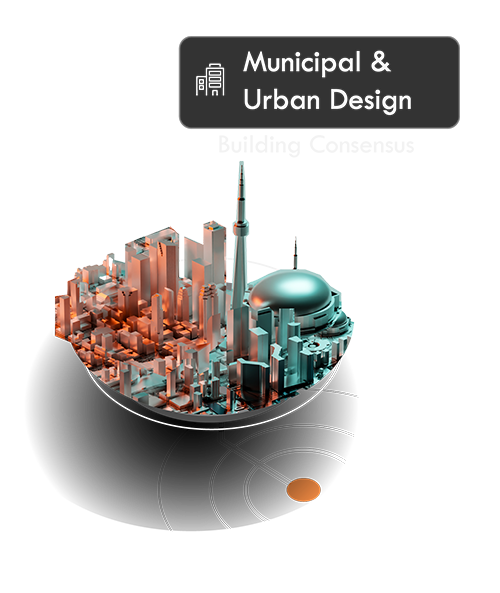
Converged datasets and synthetic sandboxing transform strategic planning for urban growth, eliminating the time, cost, and siloization associated with traditional approaches.
Active Intelligence
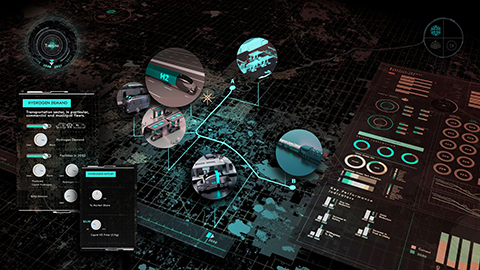
Transitioning to Hydrogen in Alberta
We supported the transition to a hydrogen economy by developing a Synthetic Twin set in the hydrogen-powered Alberta of 2030, creating a comprehensive, risk-informed framework to guide standardized provincial training and certification for the hydrogen workforce.
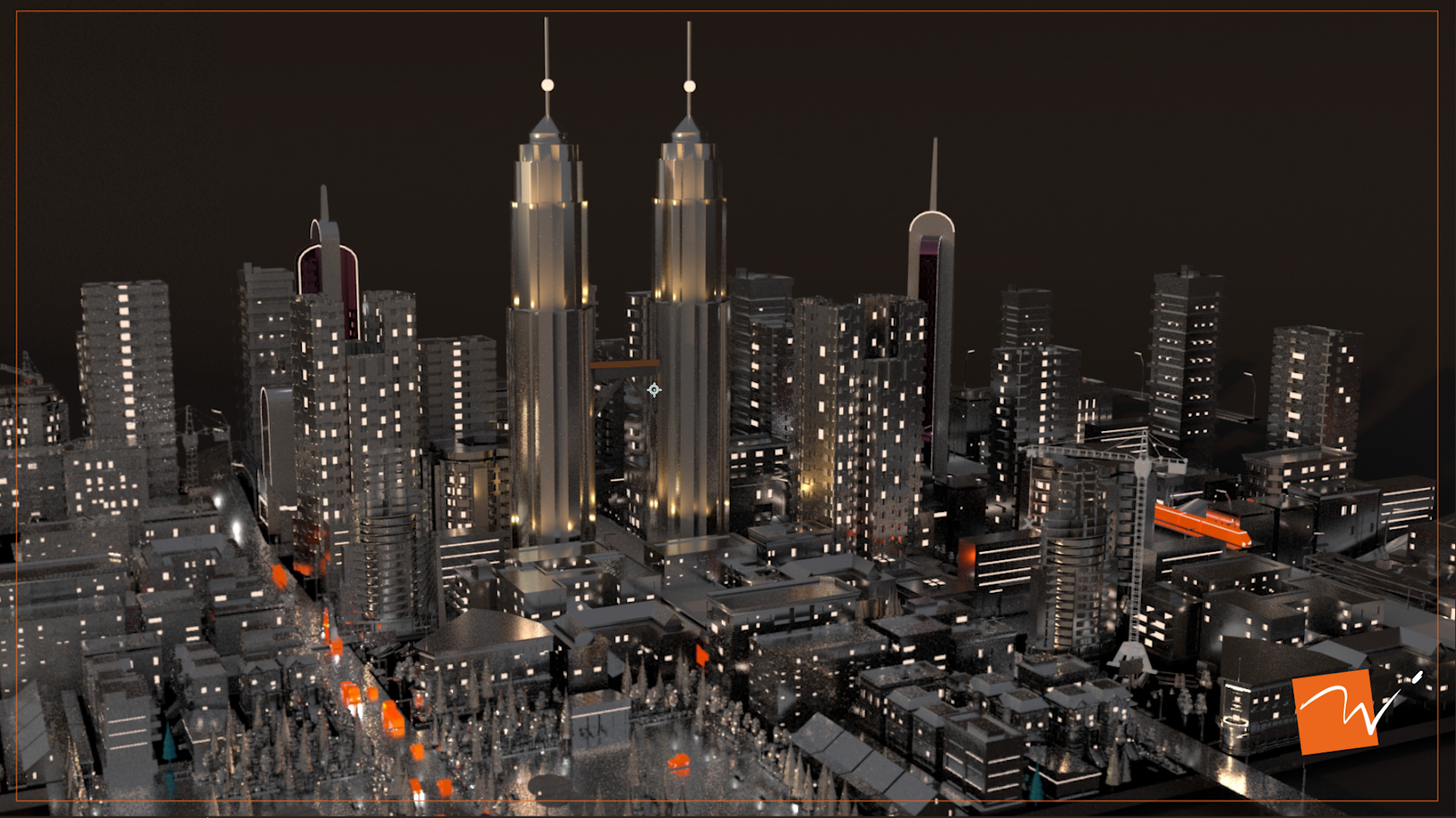
Accessible Mobility in Kuala Lumpur
Kuala Lumpur faces escalating pollution and greenhouse gas challenges due to population growth, traffic congestion, and reliance on private vehicles. As a finalist in the Toyota Mobility Foundation’s challenge, RWI’s Synthetic Kuala Lumpur modeled residents’ lives and city infrastructure to explore policies that improve inclusivity and accessibility through 2040.
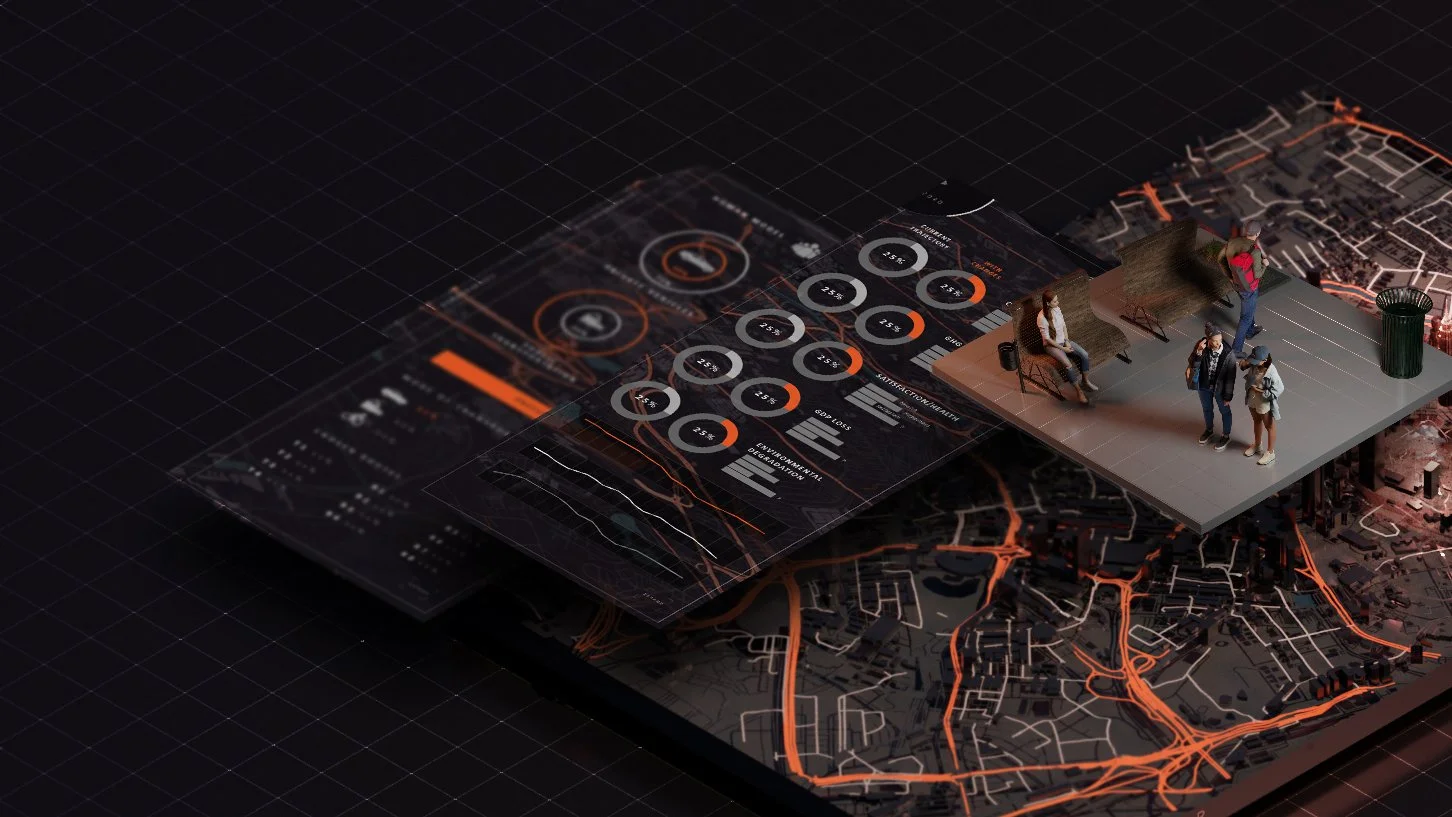
Establishing Social Infrastructure
There are few established tools for planning sustainable, resilient social infrastructure, despite communities increasingly requiring valuable, data-driven insights for long-term service strategies. RWI Synthetics addressed this by creating benchmarks from international best practices and running five future-focused sandbox scenarios for a client community.

Disease Conditions and Connected Care
RWI is receiving advisory support and funding from NRC IRAP to research mapping disease conditions in rural and remote synthetic populations. This work, part of an international consortium under the Eureka ITEA cluster, models, analyzes, and visualizes the deployment of connected care interventions.
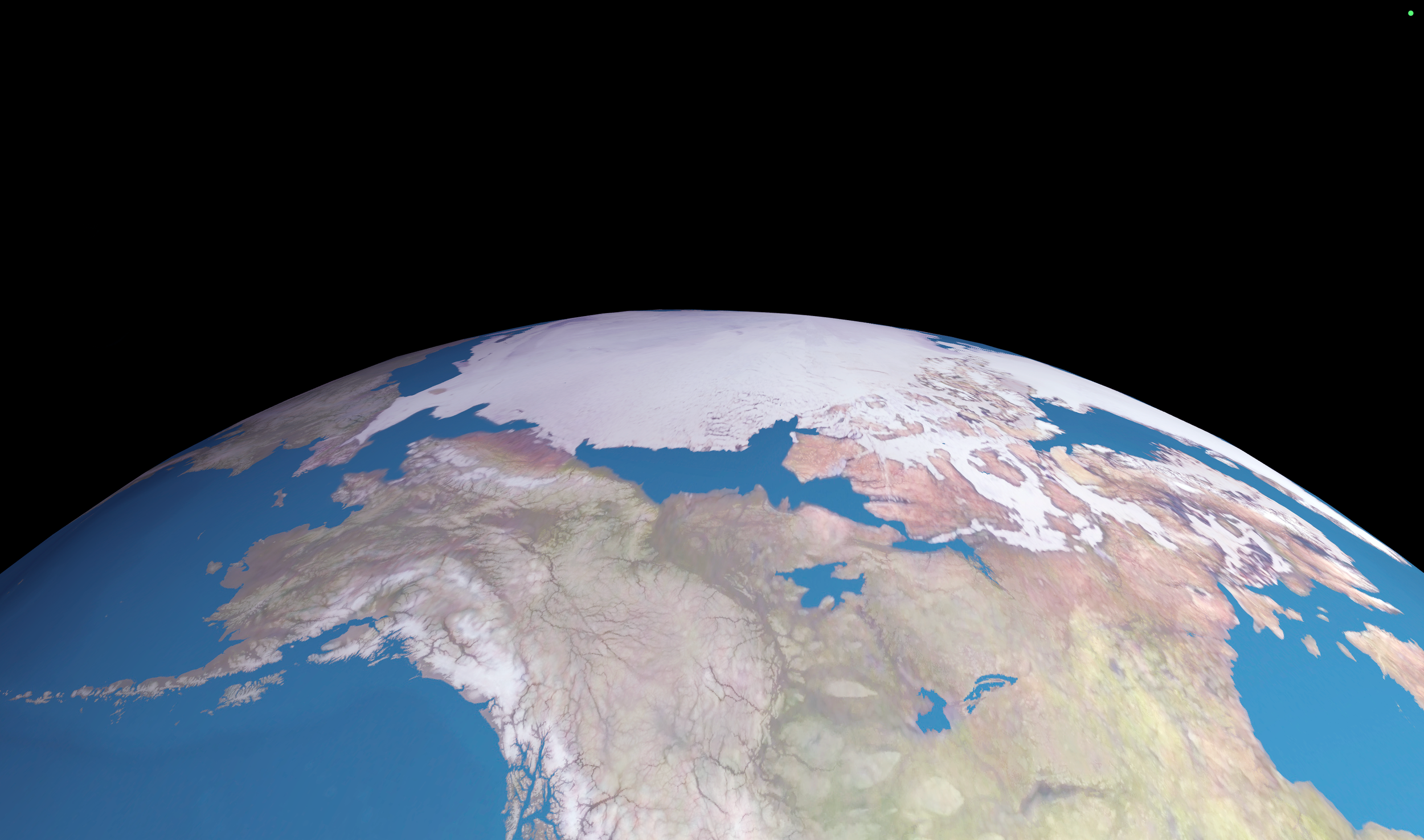
Creating the Synthetic North
Complex problems in the north require hyper-local insights and tailored solutions as Arctic and sub-Arctic investments accelerate. RWI responded by creating Synthetic North, a 1.35 million m² high-fidelity Synthetic Twin with 15 million data points to support strategic decision-making.
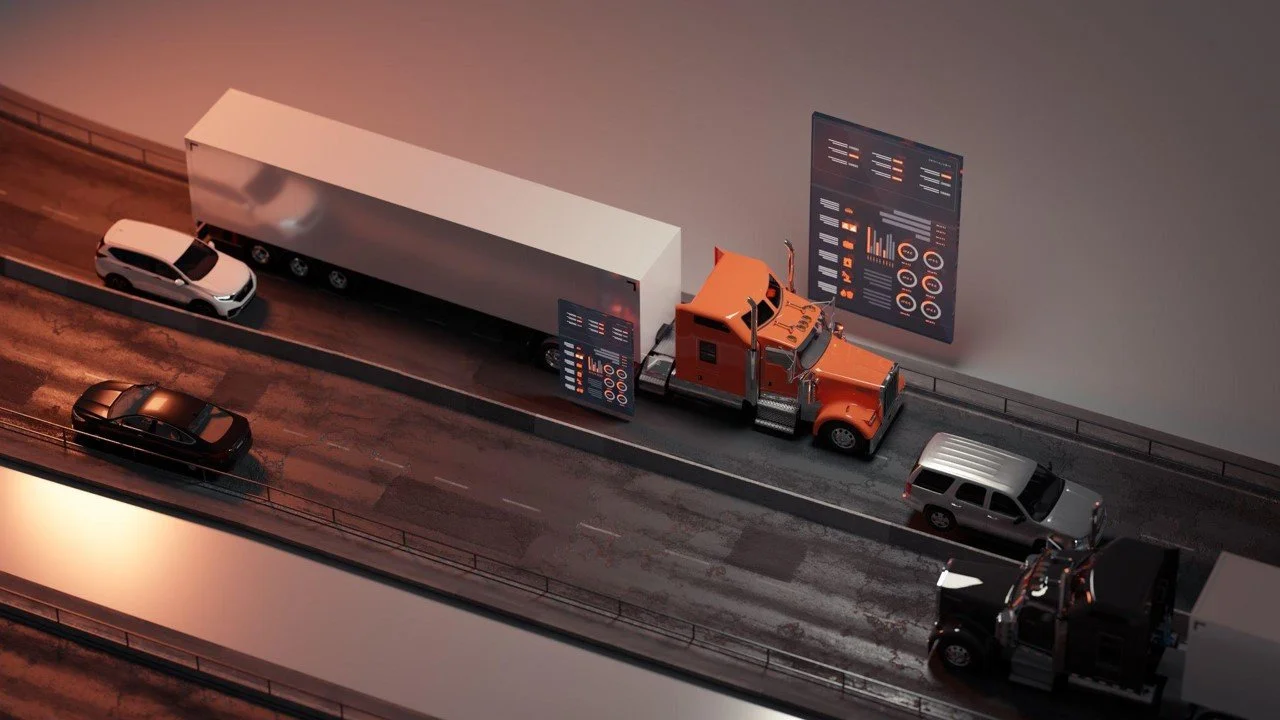
Analyzing Logistics in Edmonton
By analyzing existing infrastructure, costs, cargo, and revenues, RWI used Synthetic Twins to identify growth barriers and simulate future GDP and carbon outcomes, enabling high-fidelity ROI and ROIC estimates for infrastructure, workforce, land, and logistics investments in the Edmonton region.
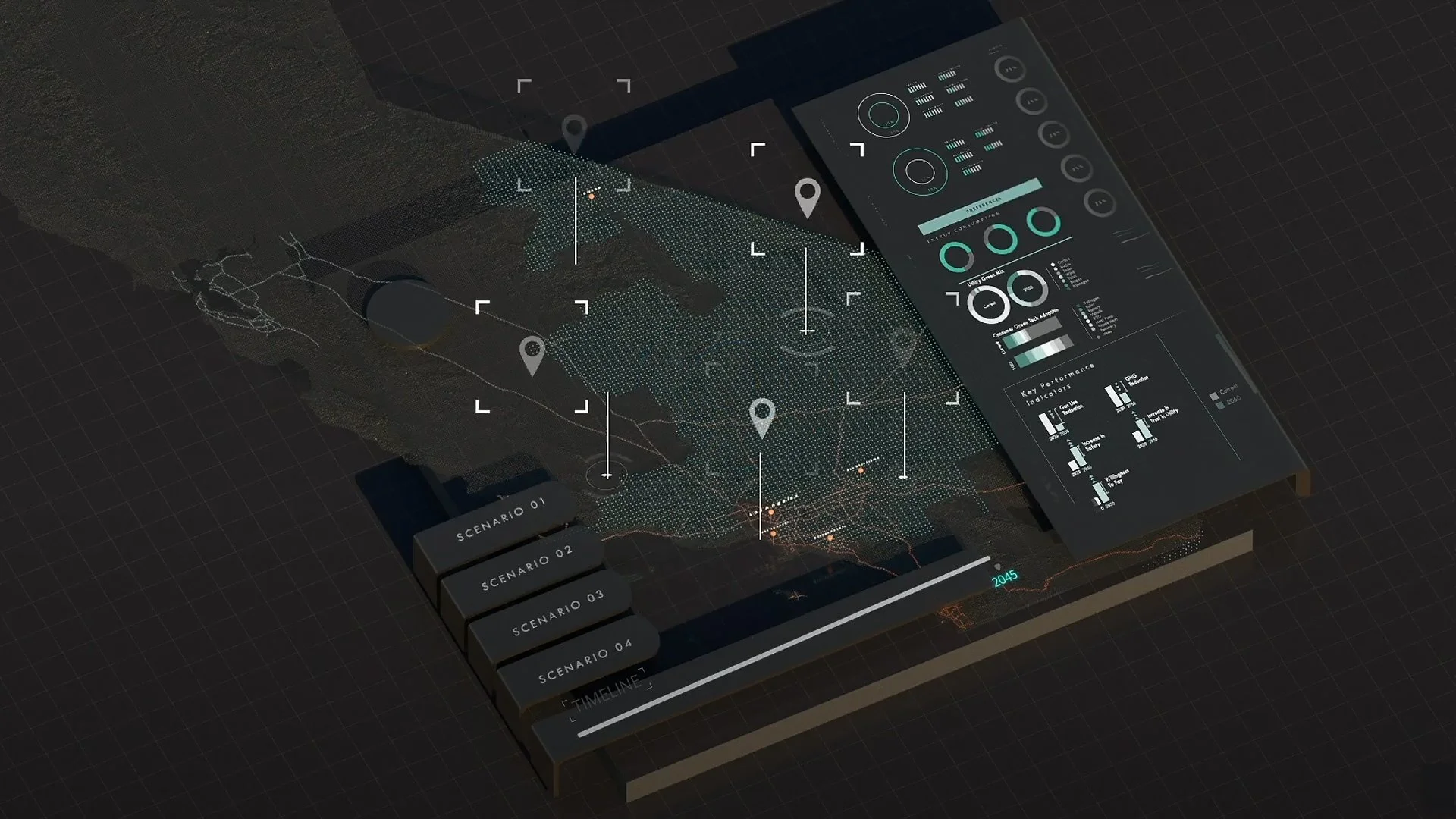
Measuring Water Efficiency in California
Water efficiency is critical for thriving cities, supporting populations and industries while mitigating climate change and drought impacts, especially in regions like Southern California. We modeled residential water use by rethinking how usage behaviors are measured and integrating age, demographics, population, and time-of-day data.

Assessing Solar Risks from Space
Space-weather events from increased solar activity can unexpectedly disrupt the electrical grid, requiring cross-disciplinary approaches to assess risks to people and infrastructure. RWI launched its HoloDeck in 2022 to simulate space-weather impacts on a synthetic grid of the entire U.S. Northeast during a collaborative weather-to-power grid exercise with CHESS and the National Science Foundation.

High-Fidelity Infrastructure Forecasting
Amid housing crises and rapid population growth, RWI used Synthetic Twin intelligence to forecast, sandbox, and produce a high-fidelity estimate of the full annual infrastructure and service costs for a large municipal development at full build-out.