RWI Labs
RWI Labs is the technology innovation hub of RUNWITHIT Synthetics, building hyper-efficient agentic AI technology, patent-pending never identified synthetic data, and Synthetic Twin Environments.

RWI Labs is the technology innovation hub of RUNWITHIT Synthetics, building hyper-efficient agentic AI technology, patent-pending never identified synthetic data, and Synthetic Twin Environments.


INFLECTOR is here to meet the demands of agentic inference AI today: hyper-efficiency, accountability, and scaleability.
Living digital copies of cities and regions, complete with 3D GIS visualization, along with context, time, and synthetic populations, resulting in a 6D simulation capable of optimizing the impacts of future decisions.
Never-identified people with true-to-reality demographics, psychographics, patterns of life, and medical conditions are generated from public and diverse sources of data. Brought to life by INFLECTOR AI.
RWI Labs’ AI Tech stack has been built out over the course of 30 years as a complete in-house solution with Deep ML, Deep RL, Fast ML, clustering and orchestration, agentic and inferential capabilities.
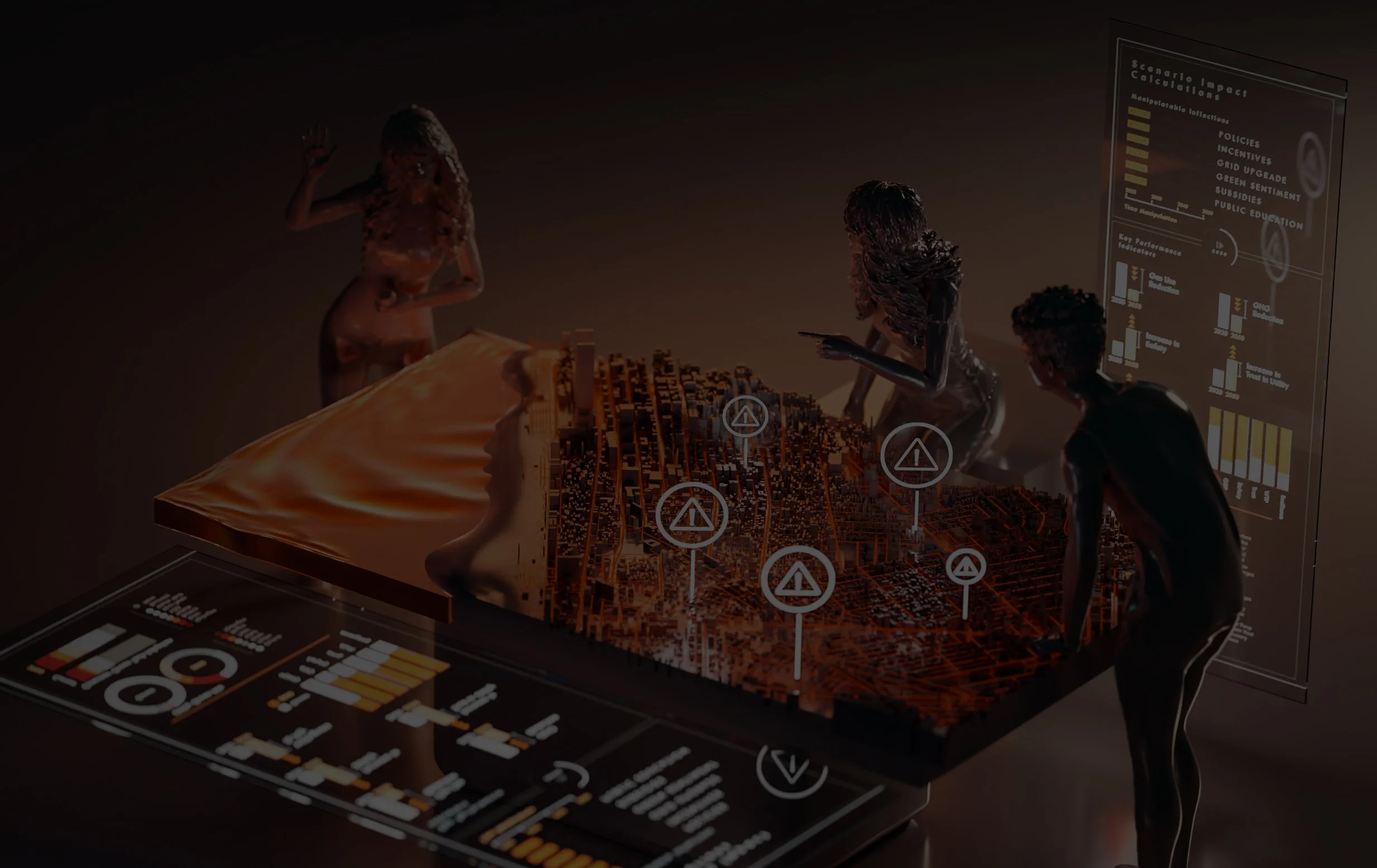
RWI Holodeck is a live modelling and data visualization platform for Synthetic Environments. Users can see, modify, run, and analyze the outputs of scenarios in real time with INFLECTOR agentic AI. Designed to run effectively on consumer laptops.
We’ve transformed "black boxes" into “glass boxes”: transparent processes where every step can be seen and explained, providing accountability and confidence for decision makers and problem solvers.
We continue to significantly reduce the computing, energy, cooling, and storage requirements of our platform, tools, and technologies. Where other AI systems require 50,000 bottles of water, our technology requires less than a drop.
Zero dependencies on external services, APIs, GPU or data.
30,918,884 synthetic individuals, 15,654,981 sq km of high-fidelity synthetic regions, zero dependencies on other licensed technologies, platforms or purchased data sets.
RWI Labs products are equally at home through web applications, on a laptop, or on a supercomputer with a 100 Million-pixel-display.
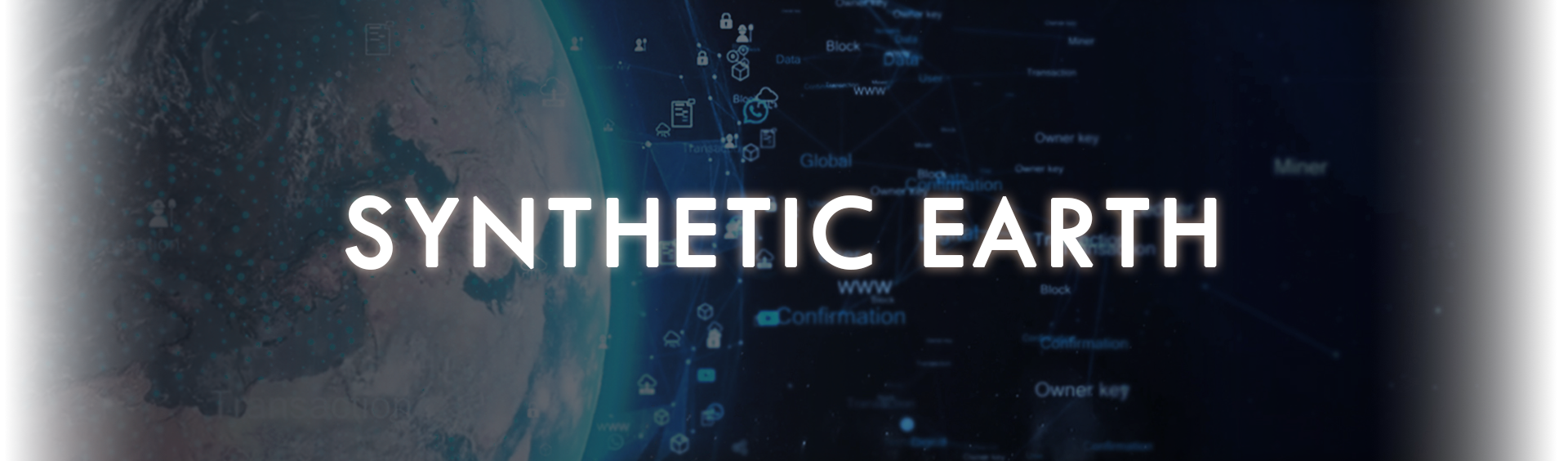
Launched in Dec. 2024, this was RWI Labs' most ambitious engine development at the time: a living, agentic model of our home planet, Earth. By converging diverse sources of data, including non-traditional data sources such as localized knowledge, visualizations, and even audio, Synthetic Earth was capable of rendering billions of data points across over 200 cities and over 50 million synthetic people.
Synthetic Earth is available as a standalone application through the INFLECTOR AI engine. Features include intuitive controls, live inflectable scenario modification, and the ability to run locally on consumer laptops.
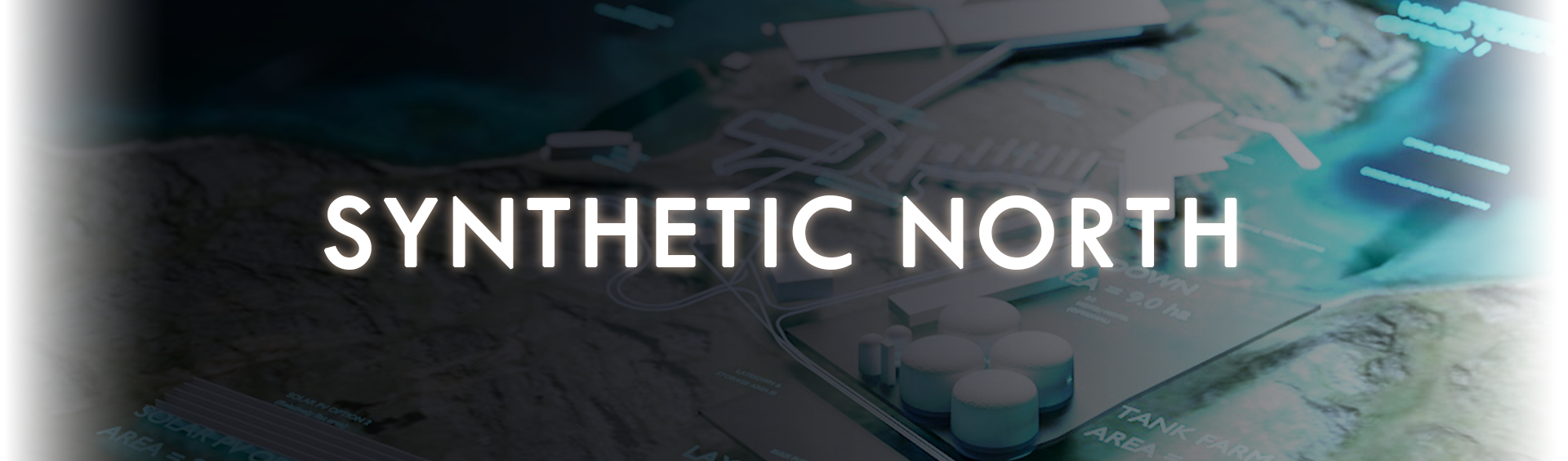
Synthetic North is a 1.35 million m² high-fidelity Synthetic Twin with 15 million data points supporting strategic decision-making in the Arctic and sub-Arctic of North America.
This comprehensive, interactive and high-fidelity platform operates on INFLECTOR AI, allowing decision-makers to engage in configurable scenarios aimed at impact assessment, investment, and project evaluation.
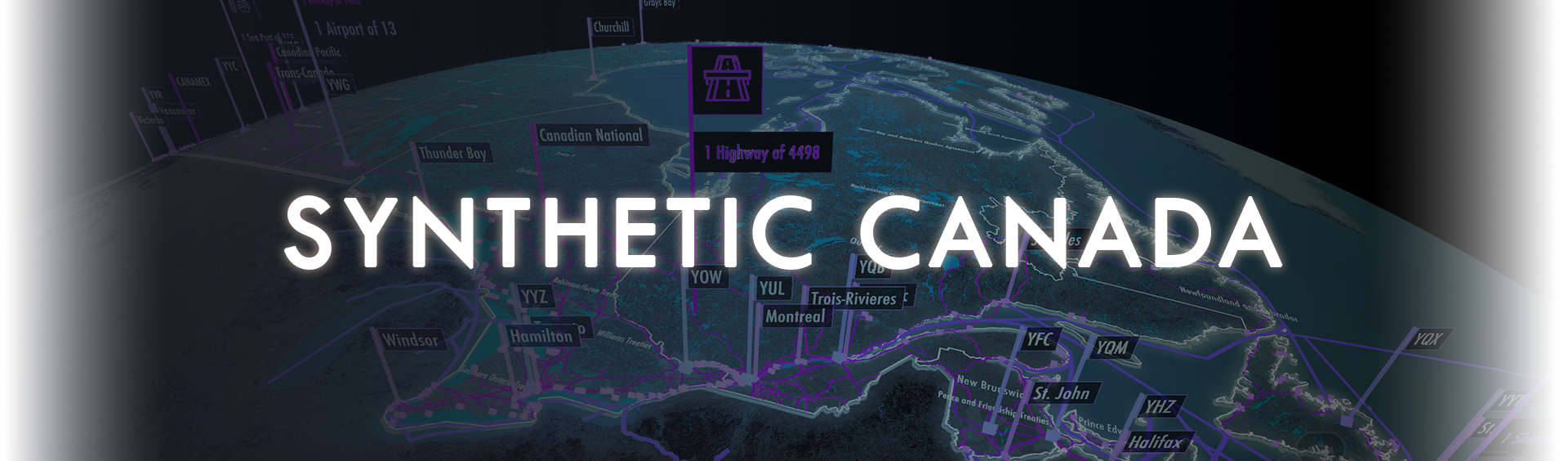
RWI Labs can synthesize entire nations at a fraction of the computational resources, energy, and water required by comparable engines to synthesize a city. Through Synthetic Canada, users can overlay and explore the intersection of all of the elements of the built environment, including transportation, infrastructure, and natural environment, in real-time, from global to national to regional contexts through the pull of a slider. This includes 47,353,400 synthetic people across 17,330,600 residences, as well as hundreds of thousands of railway and transmission lines, substations, and airports. Synthetic Canada is demonstrable proof that RWI Labs and INFLECTOR AI can include any level of detail and show how these data points act, interact, and impact one another.
RWI is a rare two-time selection of the Electric Power Research Institute (EPRI) Incubatenergy® Challenge. The sponsored RWI project engaged major US utilities with EPRI and RWI, where we, for the first time, synthesized grids and households, including responsive individuals, and then played forward intersections of grid and populations, in unprecedented conditions as COVID, heat events, cold snaps, and grid failures, quantifying impacts and mitigations on grid, demand, and populations. Without electricity, people need assistance with staying warm and cool, as well as with medicine, medical devices, food, water, and waste disposal. This work has become part of our resilience efforts, preparing cities and regions to support populations, preserve infrastructure, and return to normal when the lights go out.
We revealed our human pedestrian movement models, wayfinding, and responses to direction, instruction, and hazards during a synthetic earthquake in the heart of Silicon Valley, as part of the 2019 IoT World Expo Keynote. With our smart utility partner, we posted a main stage event of an earthquake, right at the place and time of our keynote, with bass cannons and a 180-foot screen, following up with live recreations at our booth for thousands of visitors, showing how smart utilities could keep people safe and accelerate time to return to normal if an earthquake were to occur. These models of both movement and earthquake effects on infrastructure would carry forward into future assignments, determining the effects on infrastructure of multiple simultaneous disasters, and also plotting the entire course of a disaster from mitigation and management to the return to normal, an oft-overlooked period.
RWI created and rolled out the RWI Holodeck in support of a three-day tabletop exercise in Washington, D.C., involving top American scientists from Sun to grid, simulating a coronal mass ejection (CME) in geospatially accurate VR. The RWI Holodeck visualized atmospheric electromagnetic conductivity (EM) over the continental US, as well as conductivity induced by directional atmospheric and ground EM in a synthetic grid of the northeast US. RWI synthesized the grid and the people of Washington, D.C., and simulated the effects on the grid and the population, particularly economically disadvantaged people living in areas with aging, vulnerable grid assets. The RWI Holodeck has become anchor technology for RWI’s work, bringing data to life in real time: visually, dynamically, interactively, and analytically. The RWI Holodeck is as adept at data science and INFLECTOR AI modelling as it is at visualization, interaction, and weaving compelling, visually stunning, human-centric, data-informed narratives.
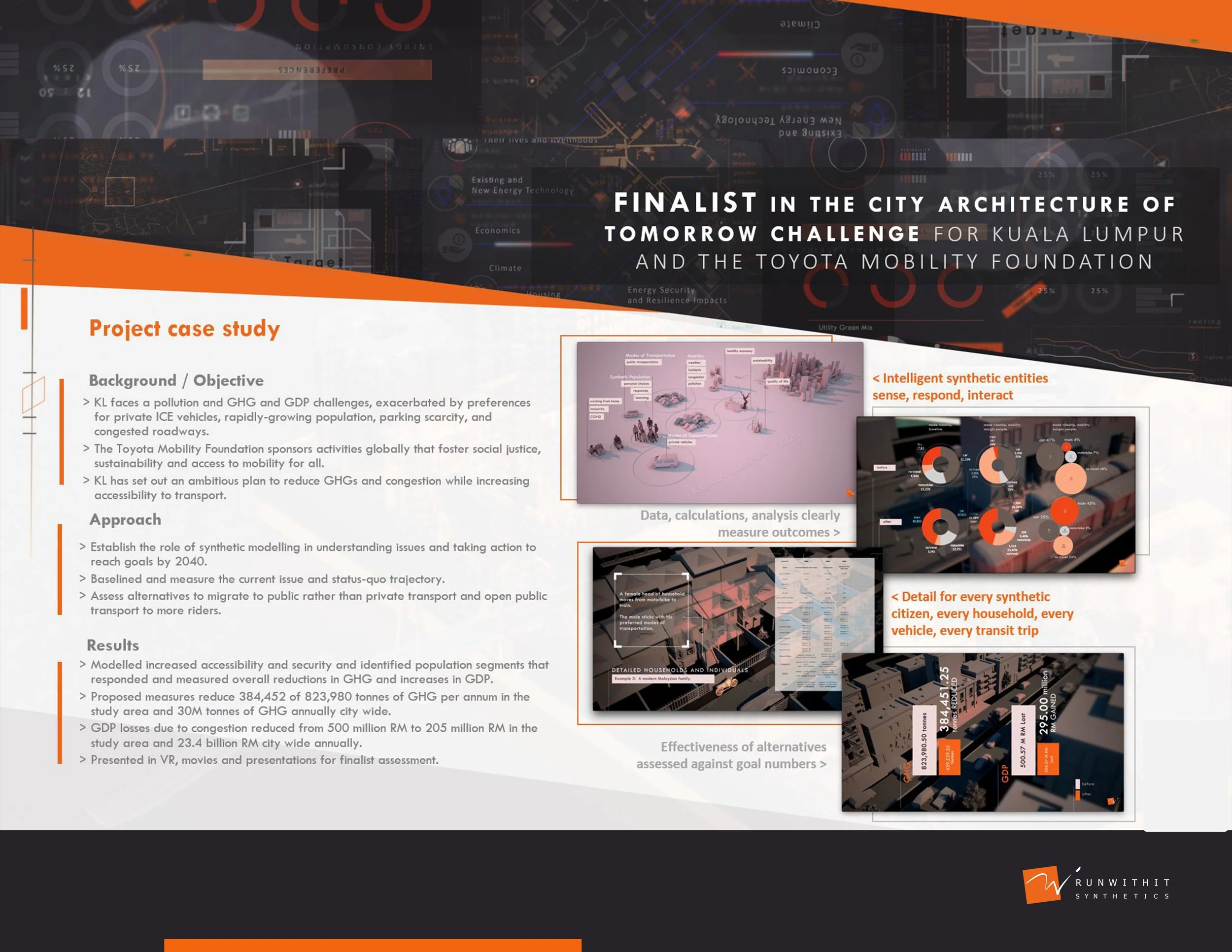
The City Architecture of Tomorrow Challenge, hosted by the Toyota Mobility Foundation and the City of Kuala Lumpur, challenged applicants to reduce carbon emissions in this emerging megacity. We put together a second-round entry that plotted the main daily journeys of synthetic citizens, including travel habits, available modes of transportation, and individualized preferences based on experiences, psychographics, and physical capabilities. We offered improved train schedules, bike racks, bikes on trains, shaded, well-lit paths, and a planned Toyota autonomous group transport with individualized, separate travel compartments. We watched synthetics respond to travel options, noting which tried them and adopted new habits, creating a mobility laboratory where we could incentivize a population and reduce measurable carbon emissions. We won a UN-UNIDO Global Call award for Decarbonizing Emerging Urban Environments in recognition of this innovation. We forged models of human experience, influence, decision-making, learning, and habituation, and created middle-fidelity models capable of studying movement in a large city.
We worked closely with an innovative team at ENMAX to plot the future of electrification, along with benefits for people and impacts on the grid, through to 2070. Showing adoption patterns across the city, along with actual grid data, and identifying hot spots in terms of EV charging, as well as those relative to solar panels and home owners hoping to recover costs. Calgary is also a city once outside the zone where people sought air conditioning as relief from hot summer days, and is in the early stages of this transition, placing unanticipated stresses on a grid that, in many cases, was designed and built for past demands. Also key are heat pumps and building envelopes, and potential changes to building codes. The results were presented to the Alberta Smart Grid Consortium and represented a welcome opportunity to showcase our grid innovations in Canada and bring home the valued work completed in the US.
A federal government program paired us with a Canadian Federal government department to test our ability to deliver a live, interactive, and dynamic immersive experience to a Canadian municipality on the preparation and management of its population during a prolonged power outage. In this project, customers engaged with the RWI Holodeck to experience an emerging situation and experience emergency management challenges today and through to 2070, when many would have energy independence or limited independence, and when community facilities may have increased capability to provide resilience support off-grid. The trend of placing our technology in others’ hands, across the board, is an emerging opportunity for RWI to show others how to explore, envision, and share better futures to address the challenges we all face in the coming decades. We’re advancing innovations that can scale synthetic data and modelling by engaging other solutionaries in reimagining the future.
Initiated as part of an international research consortium with Canada and Europe, supported by the NRC, RWI is hypothesizing a novel approach to health data: the first complete population of synthetic patients, with accurate mappings of health conditions to measurable, responsive synthetic individuals and households. Public health and medical advancement face challenges related to data availability and privacy constraints, as well as the ability to manage public health and public wellness across populations within the context of health research and public health care systems. Medical attribution and modelling of synthetic populations seek to accelerate innovation by potentially eliminating these constraints.
Greentown Labs is the leading US-based incubator of new ideas in energy, located in Boston, in the heart of some of the world’s leading academic institutions, and in Houston, the heart of the US fossil energy production economy. RWI advanced its modelling of the hydrogen economy, including heavy vehicles and mobile industrial equipment transitioning from diesel to electric, hybrid, and various hydrogen-based implementations. RWI had also modelled the hydrogen workforce and hydrogen blending for heating in Edmonton. RWI offers a wrap-around view of the potential future of the hydrogen economy to those looking to bootstrap a self-sustaining hydrogen economy pervasively, as well as to those looking to create micro-economies around ports and airports.
In the early days of COVID, with homemade masks and evidence of airborne transmission, we modelled the efficacy of various homemade and commercially available masks on a typical commute to work in downtown Edmonton. This work modelled the movement of individuals and groups from parking lots and transit to a representative office in downtown Edmonton, including parking lots, pedways, and the new transit line. We measured overall risks and risk reductions, and followed Kim as she made a great mask and reduced her work with masking and movement. Later research of a similar nature, conducted in the real world, was closely aligned with our synthetic results. Movement patterns of pedestrians on walkways with crossing lights, crowds from trains, stairways, and groups travelling together formed the foundation of our micro movement models.
The hypothesis of this assignment was challenging: to create a city-wide simulation, run and analyze it in real time on a 100-million-pixel display from a supercomputer at the National Renewable Energy Laboratory in Golden, Colorado, and show it to a group of mayors visiting from across the Americas. RWI tooled their orchestration for the impressive supercomputers at NREL and prepared the RWI Holodeck to run on a large, parallel computer that backed a 9-by-6-meter, 100-million-pixel display, offering high-density pixels across the entire display plane. It was a grand and successful experiment in running a large-scale on big computing resources. It is from this work that we realized the potential of interactive, dynamic, and immersive, while-you-wait VR experiences in synthetic environments. At the time, it required supercomputers; we have subsequently optimized the experience and developed techniques to deliver it on readily available computers.
We developed our first synthetic city, Edmonton, in 2018, where we plotted the adoption of solar, batteries, and EVs in residences through 2035, and pre-holodeck visualized these data points in a 2D environment. It was a first to see the future of electrification on a city scale, and zoom into neighbourhoods like Strathern, and see how, in some cases, behind the transformer groups of homes balanced each other out in terms of demand and contribution in circumstances where, for instance, 6 plexes shared transformers with homes kitted out with solar. This project set the course for the synthesis and simulation of large areas, such as major cities and populated regions, which we’ve continued to improve to today, enabling us to practically generate entire countries.
This project focused on three areas of breakthrough innovation. Firstly, the ability to optimize the performance of our AI orchestration for data centers and increase efficiency on enterprise-class servers on our premises, yielding several orders of magnitude improvement. We also looked at how we might host our RWI Holodeck in the cloud. The assignment also led to two other breakthroughs, including applying real-world survey results accurately, with complete detail and low error, to an entire synthetic population with minimal computing resources. The second was to extend our highly performant and accessible programming language, Synthetic Notation Language, to be more approachable and graphically programmable. We’ve developed an innovation pipeline taking implementations from first-demonstration projects and brings them to market. These technologies are core to RWI and RWI Labs, and have been key to the continued improvement along these lines, bringing us to where we are today: enabling non-programmer domain experts to create and run complex models on super-scalar datasets on readily available hardware.
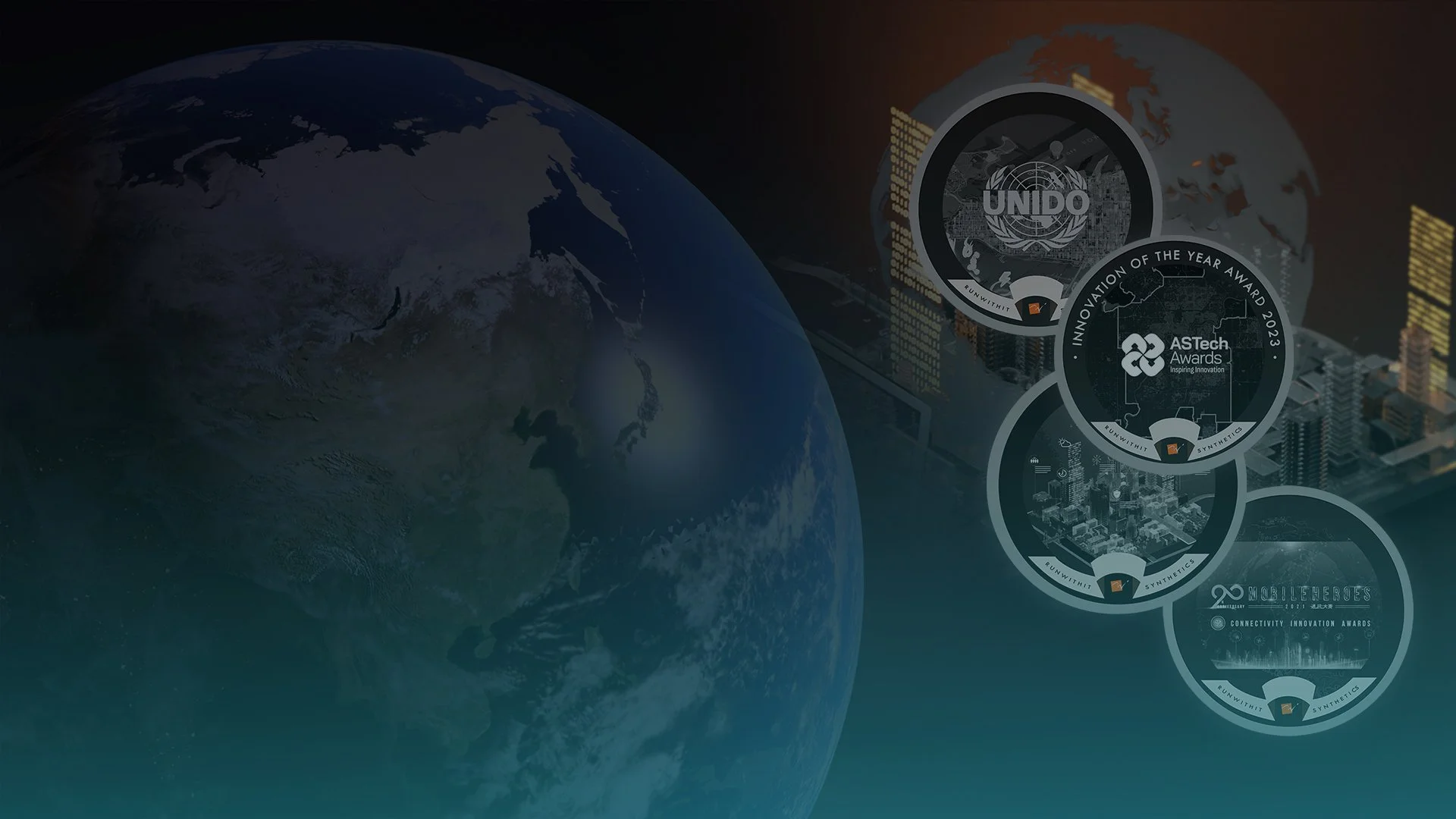
RWI’s work is internationally recognized.
November 2024, IBM Institute for Business Value
May 2024, IEEE Transactions on Industrial Informatics
April 2024, TVA Connected Communities Pilot Projects